Rotatable Body Camera: What the Rotating Design Does and Who It Suits
Key takeaway
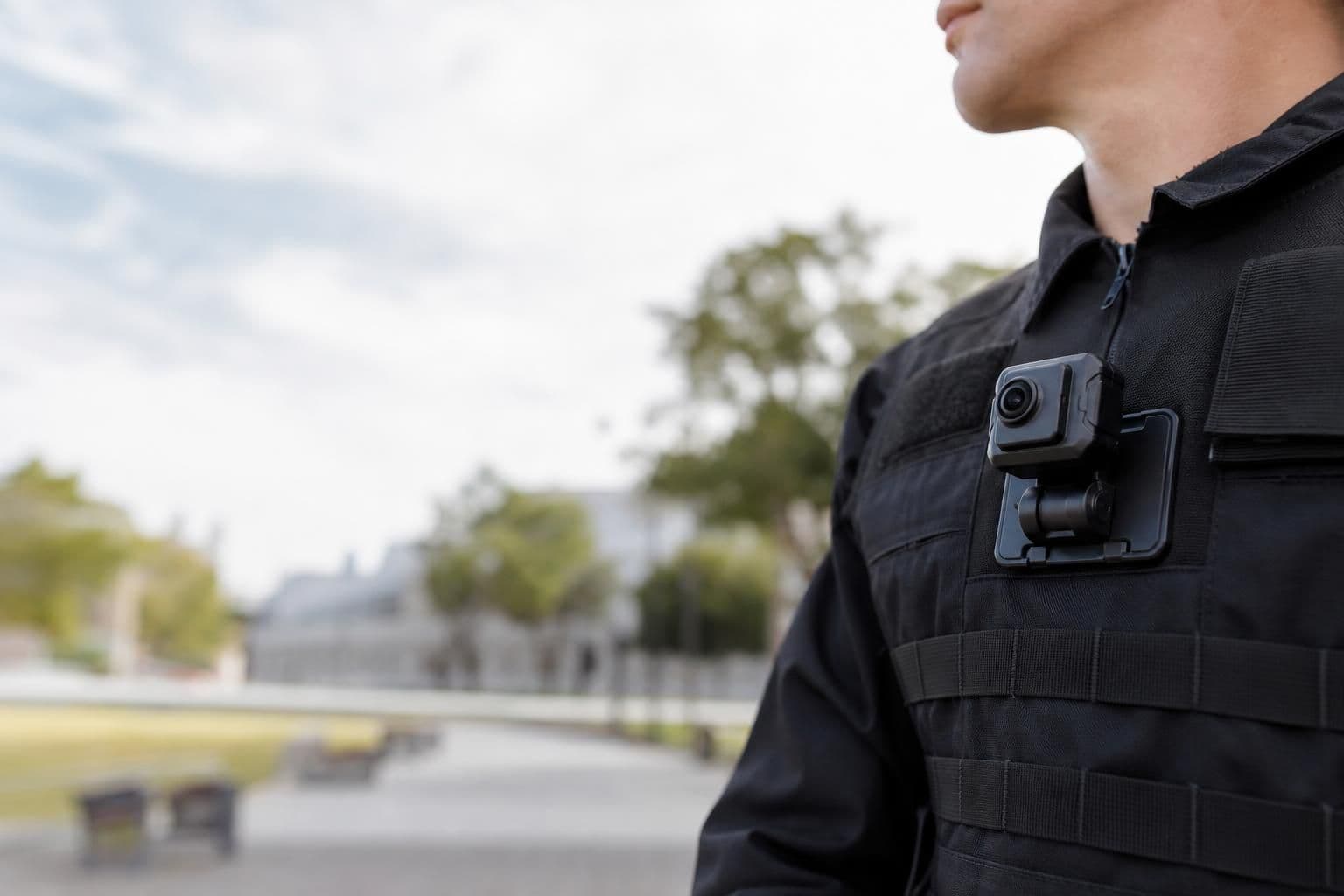
A rotatable body camera is a wearable camera whose body can be turned to change the angle of the shot, so you can aim it at what you want to record without re-clipping or repositioning the whole device. That matters because a camera worn on a chest, collar or strap rarely points exactly where you need it. A rotating design lets you correct the framing in seconds.
Key takeaways
- A rotatable design fixes the most common wearable-camera problem: a crooked or too-high/low angle.
- 4K resolution gives you more detail to review, but it also creates larger files, so storage and charging habits matter.
- Recording laws vary by place. Check yours before you record, especially audio.
What "rotatable" means on a body camera
On a fixed body camera, the angle depends on how you clip it. If it sits slightly down on your chest, so does your footage. On a rotatable model, the body of the camera pivots, so you can tilt the view up or down to match how you are standing, riding or working.
The 4K Rotatable Body Camera from Valenza is listed as a wearable, hands-free camera with 4K recording and a rotatable body for flexible positioning, designed to be easy to operate for daily recording.
Why the angle matters more than it sounds
- Better framing. The subject you care about (a package at a door, a work area, a bike lane) is in the shot instead of your shoulder or the sky.
- Fewer re-takes and adjustments. You adjust in place rather than unclipping.
- Works across positions. The same camera can sit differently on a jacket, strap or bag, with the angle corrected afterward.
What 4K adds, and what it costs you
| Factor | What to expect with 4K |
|---|---|
| Detail | More pixels to zoom into when you review footage |
| File size | Larger files than 1080p, so storage fills faster |
| Battery | High-resolution recording generally uses more power |
| Low light | Resolution does not guarantee good night footage |
Spec sheets from the category commonly list battery life and storage separately from resolution, so compare those too. (For the Valenza camera, check the product page for current specifications before buying; this article only describes what the listing states.)
Who a rotatable wearable camera suits
Based on how the product is described (everyday documentation, hands-free use):
- Delivery and rideshare drivers who want a record of a job.
- Home-service and field workers documenting the condition of a job site.
- Anyone who wants a simple hands-free camera for daily recording without a complicated setup.
It is not a replacement for a fixed security camera that watches a location, and cycling or sports use is often better served by a dedicated action camera built for stabilization.
Quick buying checklist
- Does the angle adjust easily with one hand?
- Is resolution matched to your needs (4K for detail, 1080p for longer storage)?
- How is it worn: clip, strap or magnet?
- How do you get footage off it?
- Are you allowed to record where you will use it?
A note on recording laws
Laws on recording video and especially audio differ by country and U.S. state, and some require everyone in a conversation to consent. Use any body camera openly and lawfully, never to record people covertly, and check local rules or ask a qualified attorney. This article is general information, not legal advice.
FAQ
What is a rotatable body camera? A wearable camera whose body can be turned to adjust the viewing angle.
Is a rotatable body camera hands-free? Yes, it is worn on the body so your hands stay free.
Is 4K necessary for a body camera? Not always. 4K gives more detail but uses more storage; many users are fine with 1080p. Choose by how much detail you need.
Where can I see the specifications? On the product page.
Sources: Reolink: Body Camera vs Action Camera vs Security Camera; Wavesight: How to Choose a Body-Worn Camera