Windshield Sunshade Cost: What You'll Actually Pay
Key takeaway
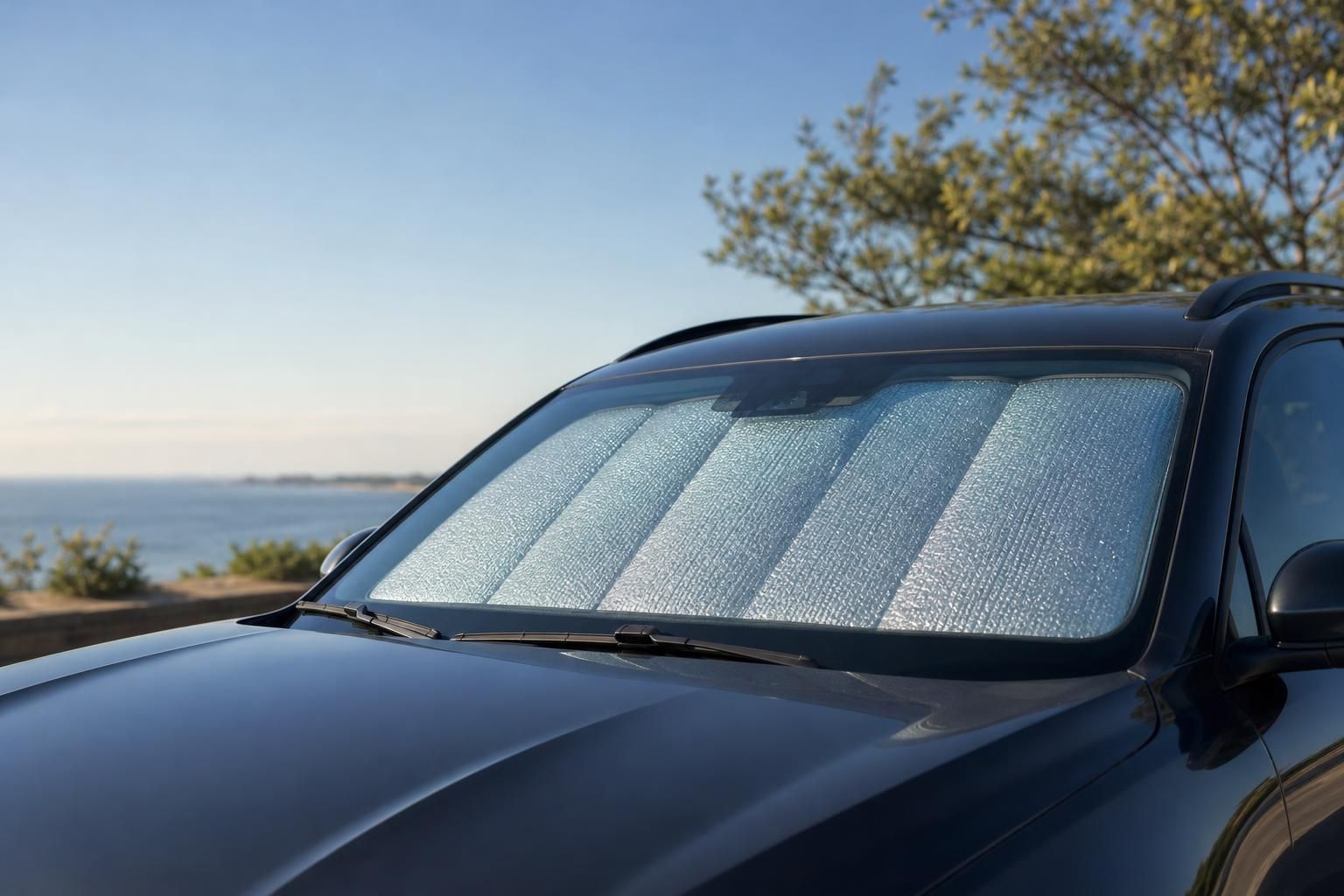
A basic foldable windshield sunshade typically runs $10 to $20, mid-range reflective or insulated models cost $20 to $35, and premium custom-fit or multi-layer sunshades can reach $40 to $60. Price mostly depends on material thickness, reflective coating quality, and whether the shade is cut to fit a specific vehicle or sized generically.
Key takeaways
- Generic foldable sunshades cost the least ($10–$20) and work fine for most sedans and compact SUVs.
- Custom-fit and multi-layer shades cost more ($30–$60+) but block more heat and last longer under daily sun exposure.
- A $17–$20 sunshade is usually enough for everyday commuting and parking; spend more only if you park outdoors daily in extreme heat.
What Actually Drives the Price
Windshield sunshades look simple, but a few manufacturing choices explain why one costs $12 and another costs $45.
- Material layers — single-layer foam shades are cheapest; multi-layer foam-and-foil shades cost more because they trap more heat before it reaches the glass.
- Reflective coating — a thicker, higher-grade reflective film reflects more sunlight and typically pushes the price up by a few dollars.
- Fit type — universal, foldable shades are mass-produced and cheap; shades custom-cut to a specific windshield shape cost more due to lower production volume.
- Size — shades for trucks, vans, and larger SUVs use more material and usually cost a few dollars more than shades for compact cars.
- Brand and packaging — accordion-fold designs with a storage case or branded packaging add a small premium over bare foam shades.
Typical Price Ranges by Type
| Sunshade Type | Typical Price Range | Best For |
|---|---|---|
| Basic foldable foam shade | $10–$20 | Daily commuters, compact to mid-size cars |
| Reflective bubble/foil shade | $15–$25 | Hotter climates, longer outdoor parking |
| Multi-layer insulated shade | $25–$40 | Extreme heat, frequent all-day parking |
| Custom-fit (vehicle-specific) | $35–$60 | Larger vehicles, precise windshield coverage |
| Accordion-fold with storage case | $17–$30 | Shoppers who want easy fold-up storage |
These are general market ranges, not quotes for any single product — actual prices shift with material costs and seasonal demand.
Is a Pricier Sunshade Worth the Extra Cost?
For most daily drivers, the jump from a $15 shade to a $45 custom-fit shade isn't necessary. The bigger cost factor is really climate and parking habits. If a car sits outdoors in direct sun for eight-plus hours a day in a hot-weather state, a thicker multi-layer shade earns its higher price through better heat blocking and longer material life. If the car is mostly in a garage or shaded lot, a basic foldable shade does the job at the lower end of the range.
Interior car temperatures can climb significantly within minutes of parking in direct sun, which is why researchers at San Francisco State University have studied how quickly vehicle cabins heat up even on mild days — a reminder that a shade's job isn't cosmetic, it's functional heat management. The National Highway Traffic Safety Administration also publishes guidance on vehicle interior heat risks, underscoring why a working sunshade matters beyond just comfort.
A sunshade like the Foldable Car Windshield Sunshade Umbrella sits at the affordable end of that range and folds down for glovebox or trunk storage, which suits shoppers who want something functional without paying for custom-fit tailoring.
Foldable vs. Custom-Fit: Which Should You Buy?
- Foldable, universal shades cost less, pack flat, and fit most standard windshields reasonably well, though coverage at the edges can vary by vehicle shape.
- Custom-fit shades cost more but hug the windshield edge-to-edge, which matters more for larger windshields or vehicles with unusual curvature.
- Accordion-style shades balance the two — they fold compactly like universal shades but often come with a slightly better reflective layer, landing in the mid-price tier.
If you're also outfitting a car for road trips or long commutes, it's worth looking at the shade alongside other car accessories for winter driving, since many of the same trunk-organization habits apply year-round — swap in sun protection gear for cold-weather gear by season.
Budget Tips for Buying a Sunshade
- Buy once for your actual windshield size rather than the cheapest shade that may leave gaps at the edges, since gaps let heat and UV through anyway.
- Favor a fold-up or accordion design if trunk or glovebox space is tight — it's a practical habit covered more broadly in guides on staying organized while traveling.
- Replace a shade once the reflective coating visibly flakes or cracks; a degraded coating no longer reflects heat effectively regardless of original price.
- If you commute daily and keep gear in the car, a sunshade is a small addition to the kind of everyday setup discussed in guides on gadgets that make commuting easier.
Frequently Asked Questions
Q: How much does a basic car windshield sunshade cost?
A basic foldable foam sunshade typically costs $10 to $20, depending on size and whether it includes a reflective coating.
Q: Are expensive custom-fit sunshades actually better?
Custom-fit shades generally cover the windshield more completely because they're cut to a specific vehicle's shape, which can improve heat blocking compared to a generic universal shade — but for average daily use, a well-fitted universal shade performs adequately.
Q: Does sunshade price affect how long it lasts?
Thicker, multi-layer shades tend to resist cracking and fading longer than thin single-layer foam shades, so a mid-range purchase can sometimes cost less over time than repeatedly replacing a cheaper one.
Q: Do I need a sunshade if I mostly park in a garage?
If a vehicle rarely sits in direct sun, a sunshade is less critical, though many drivers still keep an affordable foldable one in the trunk for occasional outdoor parking or road trips.
Q: What size sunshade should I buy for an SUV versus a sedan?
Larger vehicles like SUVs and trucks need a bigger shade to cover the wider windshield, which is why size is listed on most product pages — checking your vehicle's windshield dimensions before buying helps avoid gaps at the edges.