Best Gym Bag With Shoe Compartment: What to Look For
Key takeaway
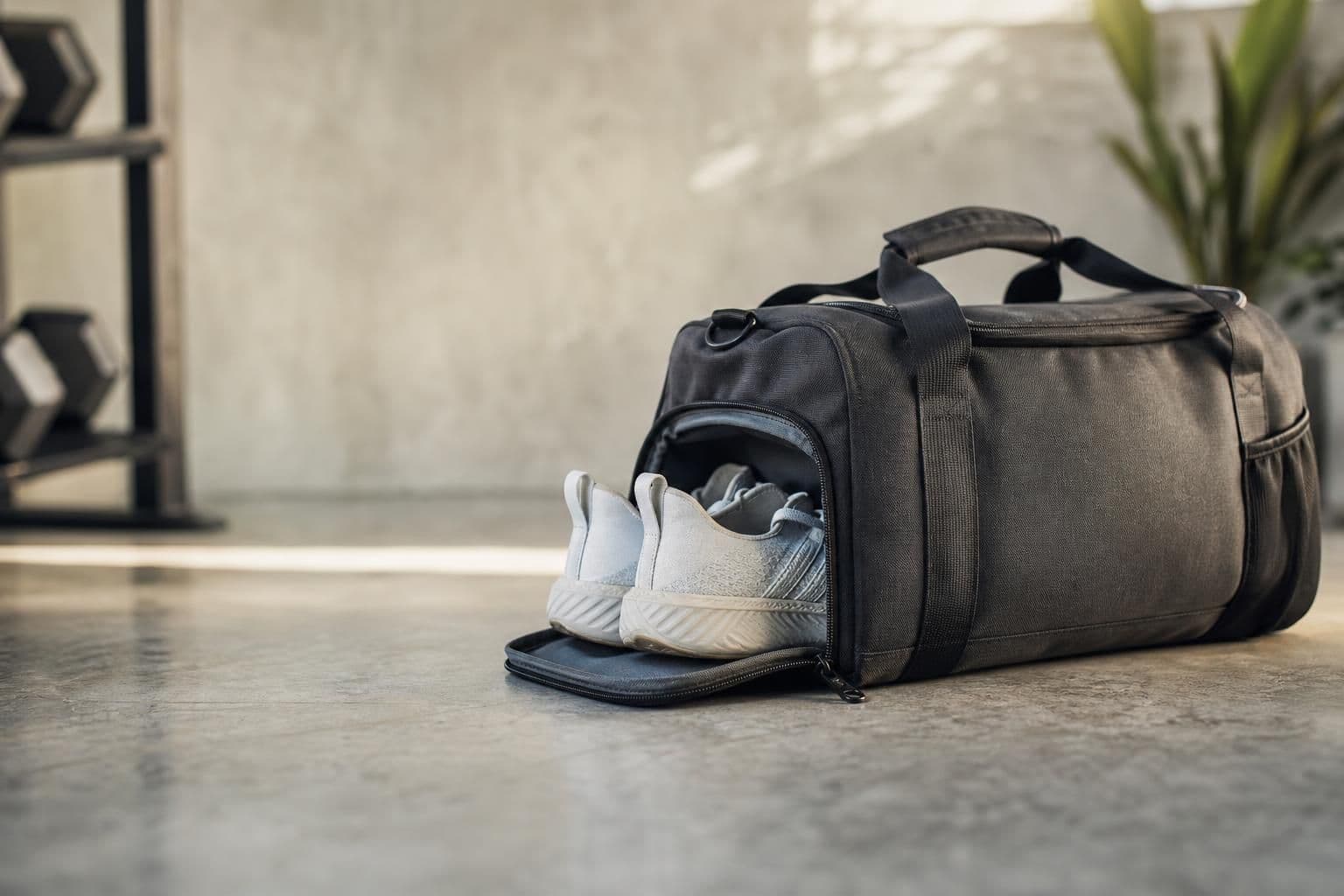
The best gym bag with a shoe compartment keeps sweaty, dirty sneakers sealed off from your clean clothes, towel, and electronics using a separate zippered or ventilated section. Look for a vented or mesh-lined pocket (not just a flat divider), a bag that sits upright instead of tipping over, and enough overall capacity for a change of clothes plus shoes without bulging. Price and material matter less than whether the compartment actually isolates odor and moisture.
Key takeaways
- A true shoe compartment is ventilated or separately zippered — a flat internal divider does not stop odor transfer.
- Bags that stay upright on their own (via a rigid base or external attachment points) are easier to pack and grab at a locker.
- Capacity in the 20-35 liter range fits a gym change, shoes, and a water bottle without feeling like checked luggage.
Why a Dedicated Shoe Compartment Matters
Sweat-soaked shoes trap moisture against fabric for hours, and that moisture is what lets bacteria and fungus multiply — the same mechanism behind common gym-related skin issues like athlete's foot, which the CDC notes spreads easily in warm, damp environments such as locker rooms and shared gym floors. A bag that physically separates shoes from the rest of your gear reduces how much of that moisture and odor migrates onto clothes you're about to put back on. It's a small design detail, but it's the difference between a bag that smells fine after a month and one that doesn't.
What to Look for Before You Buy
Not every "shoe compartment" is built the same way. Here's what actually makes one functional:
- Ventilation, not just separation. Mesh panels or small vent holes let trapped air escape instead of recirculating moisture.
- Bottom placement. Shoe pockets at the base of the bag use dead space efficiently and keep the bag's weight low, which helps it stay upright.
- Independent zipper. A compartment with its own zipper (rather than one shared opening) means you can air shoes out without unpacking everything else.
- Wipeable lining. A water-resistant or wipeable interior fabric makes it easy to clean grass, mud, or spilled liquids out of the shoe section specifically.
- Stability at the gym. A bag that stands on its own instead of sliding or tipping saves you from setting gear on a locker-room floor, a problem covered in more detail in this guide on keeping a gym bag from falling off a treadmill.
Comparing Shoe-Compartment Styles
| Style | How it separates shoes | Best for | Watch out for |
|---|---|---|---|
| Vented side pocket | Mesh panel lets air circulate | Daily commuters, short workouts | Smaller capacity for bulky shoes |
| Bottom zip compartment | Full separate pouch under main bag | Travelers packing multiple pairs | Can make the bag bottom-heavy if unbalanced |
| Removable shoe bag | Separate drawstring pouch inside main compartment | People who want to wash the pouch separately | Easy to forget to put back in |
| Flat internal divider | Fabric panel, no ventilation | Light users who swap shoes same-day | Doesn't stop odor transfer |
| Magnetic closure bag | External magnetic panels keep compartments sealed shut | Hands-free access, quick grab-and-go | Fewer size options than traditional bags |
If a stable, easy-open design matters more to you than a dedicated vented shoe pocket, the Magnetic Gym Bag uses magnetic closures to keep sections shut without fiddly zippers, which is worth knowing if you're comparing closure style alongside compartment type. Readers who want a deeper look at whether that closure mechanism holds up day to day can check this breakdown of whether a magnetic gym bag is worth it.
Capacity: How Much Bag Do You Actually Need
Gym bags are usually sized in liters, and the right size depends on your routine:
- 15-20L — a single change of clothes and shoes, suited to a quick lunchtime workout.
- 25-35L — clothes, shoes, a towel, and a toiletry kit; the most common range for daily gym-goers.
- 40L+ — overnight or travel use, often doubling as a small duffel for weekend trips.
Oversizing "just in case" usually backfires — a half-empty 40L bag shifts around and is harder to keep upright than a properly filled 25L one.
Maintenance: Keeping the Compartment From Smelling
Even a well-ventilated shoe compartment needs occasional attention. Wipe the lining down after sweaty sessions, let shoes air-dry before sealing them back in, and avoid leaving damp gear zipped shut overnight — the American Podiatric Medical Association recommends letting athletic shoes fully dry between wears to limit bacterial buildup, and the same logic applies to the bag itself. A quick wipe-down beats a deep clean you have to do monthly.
Frequently Asked Questions
Q: What's the difference between a shoe compartment and a shoe pocket?
A shoe compartment is typically a fully enclosed, separately zippered section built into the bag's structure, while a shoe pocket can be a smaller, open or mesh pouch on the exterior. Compartments generally offer better odor isolation; pockets are faster to access.
Q: Can I put wet shoes in a gym bag shoe compartment?
You can, but it's better to let shoes air-dry for even 20-30 minutes first if possible. Sealing fully wet shoes into any compartment, ventilated or not, traps moisture and accelerates odor and bacterial growth.
Q: Do gym bags with shoe compartments fit both sneakers and boots?
Most shoe compartments are sized for athletic sneakers rather than boots, since boots take up significantly more vertical space. Check the compartment's dimensions against your shoe size before assuming a universal fit.
Q: How often should I clean the shoe compartment?
Wiping it out weekly with a damp cloth is enough for most users, with a deeper clean (removing any liner and washing it) once a month or whenever odor lingers after airing out.
Q: Is a separate shoe bag better than a built-in compartment?
A separate drawstring shoe bag gives you more flexibility, since you can wash it independently or leave it out entirely, but it's easy to misplace. A built-in compartment stays with the bag and requires less thinking, which suits people who want a grab-and-go setup.