Best Waist Trainer Belt for Men: What to Look For
Key takeaway
The best waist trainer belt for men is one that fits snugly without restricting breathing, uses breathable compression material like latex-lined cotton or neoprene, and is sized to your actual waist measurement rather than the size you want to be. Waist trainers can temporarily flatten your midsection and improve posture awareness during wear, but they don't burn fat or permanently reshape your waist. Choosing the right one comes down to material, closure type, and how many hours a day you'll realistically wear it.
Key takeaways
- Measure your natural waist (usually at the belly button) before buying — most brands size by inches, not shirt size.
- Neoprene trainers make you sweat more and are better for workouts; latex-cotton blends are better for all-day wear under clothes.
- No waist trainer produces permanent fat loss on its own — it's a compression tool, not a substitute for diet or exercise.
What a Waist Trainer Belt Actually Does
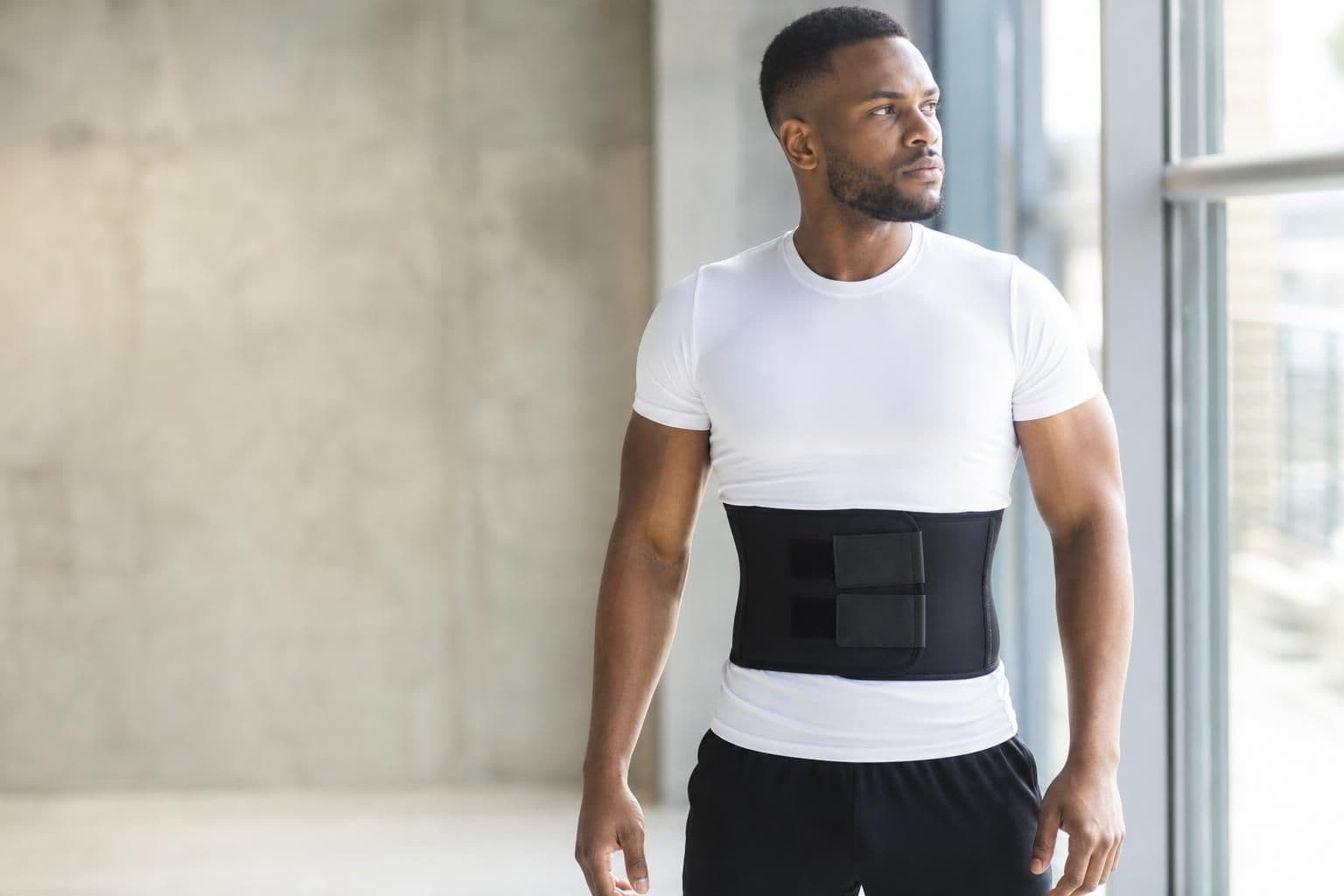
A waist trainer belt compresses the abdomen with layered fabric, boning, or elastic panels to create a smoother silhouette under clothing. Some men also use them to support the lower back during heavy lifting or long shifts on their feet, similar to how a lifting belt stabilizes the core. The compression can encourage better posture simply because slouching feels uncomfortable while wearing one — that's a mechanical effect, not a metabolic one.
The modern waist trainer traces back to 19th-century corsetry, though today's versions are made from stretch synthetics instead of steel boning, which is why they're marketed as fitness or shapewear accessories rather than undergarments.
Types of Waist Trainer Belts
| Type | Material | Best for | Typical wear time |
|---|---|---|---|
| Neoprene sport trainer | Neoprene rubber | Workouts, sweat-based "waist slimming" effect | 30–60 min sessions |
| Latex-cotton trainer | Latex core, cotton lining | All-day wear under clothes | 6–8 hours |
| Velcro compression belt | Nylon with adjustable straps | Back support, quick on/off | As needed |
| Elastic no-buckle belt | Stretch elastic | Everyday comfort and pant support, not compression shaping | All day |
The first three are true waist trainers built for compression. The last category — elastic, no-buckle belts — is a different product category aimed at comfort rather than shaping, but it's worth knowing the difference before you buy, since some listings blur the line.
How to Choose the Right Fit
Sizing mistakes are the most common complaint with waist trainers, so work through these steps before ordering:
- Measure your waist with a soft tape at the point you want compressed — don't guess from pant size.
- Check the brand's size chart in inches or centimeters, not S/M/L labels.
- Pick material based on purpose: neoprene for workouts, latex-cotton for under-shirt wear.
- Look for adjustable hook-and-eye or Velcro closures so you can loosen the fit as swelling or bloating changes through the day.
- Start with short wear periods (an hour or two) to see how your body responds before committing to all-day use.
A trainer that's too tight can dig into the ribs or restrict deep breathing, which defeats the point of using it for posture or workout support.
Safety and Realistic Expectations
Health organizations are consistent on one point: compression garments change your shape temporarily while worn, but they don't reduce body fat or change muscle underneath. The Cleveland Clinic notes that waist trainers can restrict normal breathing and digestion if worn too tight or too long, and recommends against sleeping in one. Harvard Health Publishing has similarly pointed out that "spot reduction" — losing fat from one targeted area through a device — isn't supported by how the body burns fat. The American Council on Exercise recommends building core strength through resistance training instead of relying on compression wear for lasting results.
Practical safety notes:
- Avoid wearing a waist trainer during intense cardio if it restricts your breathing — this can affect performance and safety.
- Take breaks every few hours during all-day wear to let skin breathe and avoid irritation.
- If you have digestive issues or acid reflux, tight compression around the stomach can make symptoms worse.
Waist Trainer vs. Everyday Support Belt
If your main goal is a smoother look under a fitted shirt for an event, a compression-style waist trainer does that job directly. But if what you're actually after is a comfortable way to keep your pants secure without a bulky buckle digging into your stomach all day — at a desk, in the car, or traveling — that's a different problem, and a stretch elastic option like the BeltBro No Buckle Elastic Belt solves it without the compression or sizing guesswork that comes with true waist trainers. It won't reshape your waistline, but it also won't dig into your ribs after a big lunch.
Frequently Asked Questions
Q: Do waist trainers actually work for men?
They work as a temporary compression tool that smooths the midsection while worn and can support posture, but they don't cause permanent fat loss or muscle change. Results disappear once you take the trainer off.
Q: How many hours a day should a man wear a waist trainer?
Most guidance suggests starting with one to two hours and building up gradually, capping all-day use around 6–8 hours with breaks. Wearing one overnight or during intense exercise that restricts breathing isn't recommended.
Q: What size waist trainer should I buy?
Measure your natural waist with a tape measure and match it to the brand's size chart in inches or centimeters — sizing by your regular pant size usually leads to a poor fit.
Q: Can a waist trainer replace exercise for losing belly fat?
No. Compression garments change your outward shape temporarily but don't burn fat; the American Council on Exercise points to resistance training and overall activity as the mechanisms that actually reduce body fat over time.
Q: What's the difference between a waist trainer and a regular elastic belt?
A waist trainer uses layered compression material (neoprene or latex-cotton) to shape the midsection, while an elastic belt like a no-buckle style is designed for comfortable, adjustable pant support without compression shaping.