Body Camera vs Action Camera: Which One Fits Your Use?
Key takeaway
A body camera is built to be worn on clothing for hands-free, discreet, continuous capture during everyday tasks or work shifts, while an action camera is built for mounting on helmets, bikes, or gear to capture high-motion footage like sports or outdoor adventures. The right pick depends on whether you need low-profile, wearable recording or rugged, motion-heavy capture with more mounting flexibility.
Key takeaways
- Body cameras prioritize wearability and simple, hands-free operation; action cameras prioritize mounting versatility and motion capture.
- Check your local laws before recording in public or private spaces — recording consent rules vary by state and country.
- If you want a wearable, rotatable 4K camera without juggling mounts, the 4K Rotatable Body Camera is built for that specific job.
What Separates a Body Camera From an Action Camera
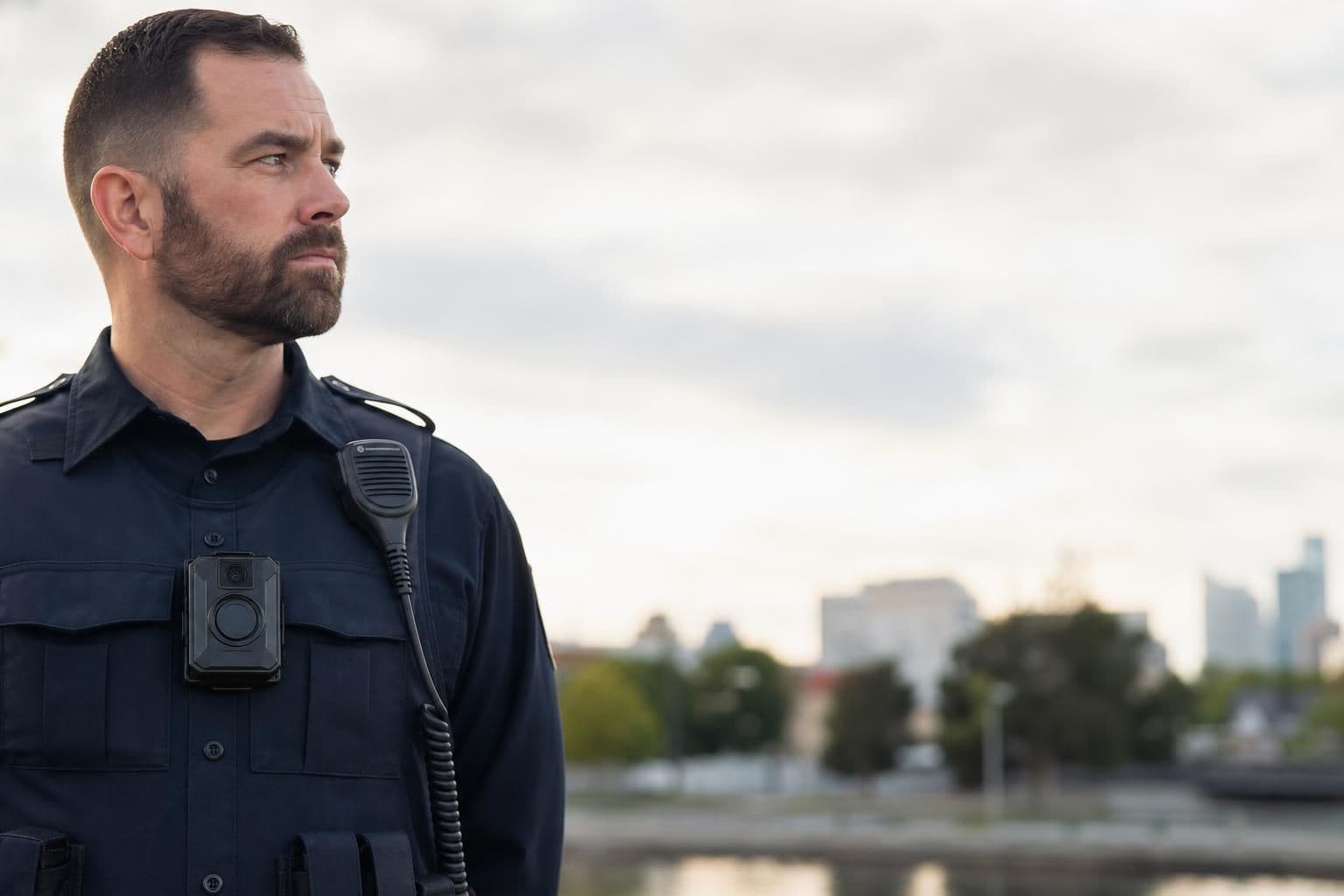
The core difference comes down to how each camera is meant to be worn and used. Body cameras clip onto a shirt, jacket, or vest and are designed to stay in one fixed position on the body for extended periods, which suits delivery drivers, rideshare drivers, retail staff, or anyone who wants a continuous, hands-free record of their day. Action cameras, by contrast, are designed to be mounted on helmets, handlebars, chest harnesses, or tripods, and they're optimized for capturing fast movement — think biking, skiing, or diving.
A rotatable body camera design, like the one covered in this breakdown of what a rotating body camera actually does, solves a specific problem: instead of needing multiple mounts to change your shot angle, you physically rotate the camera body to reposition the lens. That's a meaningfully different approach from an action camera, which usually stays fixed once mounted and relies on wide-angle lenses to capture more of the scene.
Comparing the Two Side by Side
| Feature | Body Camera | Action Camera |
|---|---|---|
| Primary wear style | Clips to clothing, worn on the body | Mounted to helmet, gear, or handlebars |
| Best suited for | Hands-free daily wear, work shifts, errands | Sports, outdoor motion, adventure footage |
| Angle adjustment | Rotatable body for repositioning the lens | Fixed once mounted; relies on wide field of view |
| Setup | Simple, clip-and-go operation | Requires mount selection and attachment |
| Typical buyer | Office workers, drivers, everyday users | Cyclists, athletes, outdoor hobbyists |
This table reflects general category differences. For the exact specs of Valenza's model — recording resolution, rotation range, and shipping details — check the 4K Rotatable Body Camera product page directly rather than relying on generic assumptions.
Who Actually Needs a Body Camera
If your main goal is documenting your own day-to-day activity without holding a device or fiddling with mounts, a body camera is the more practical tool. Common everyday uses include:
- Keeping a hands-free record during deliveries or rideshare driving
- Documenting walkthroughs, inspections, or fieldwork
- Wearing a simple, clip-on camera for commuting or errands where you want footage without extra gear
The appeal is operational simplicity: clip it on, and it's recording. There's no mount to attach, no helmet required, and no extra accessory to carry.
Who Actually Needs an Action Camera
Action cameras earn their keep in motion-heavy, outdoor, or sport-specific situations where a mount can be screwed, clipped, or strapped onto equipment that moves with you — a bike frame, a surfboard, a ski helmet. If your priority is wide-angle footage of physical activity rather than steady, body-level recording of a routine, an action camera's mounting ecosystem is the better fit. If you're assembling a travel kit and want compact gear that covers multiple scenarios, it's worth browsing practical mini gadgets for travel to see what pairs well with a camera setup on the road.
Legal and Privacy Considerations
Recording laws differ by state and country, and they often hinge on whether a conversation is considered to have a "reasonable expectation of privacy" and whether one-party or all-party consent is required to record audio. In the United States, consent requirements vary significantly from state to state, and the Reporters Committee for Freedom of the Press maintains state-by-state guides on recording laws that are a useful starting point. For broader legal definitions and statutes, Justia publishes searchable state and federal law references.
This is general information, not legal advice — always confirm the specific rules for your location before recording in any setting, and never use a body camera or detector device to record someone covertly or without appropriate notice where required. If your goal is actually checking a space for hidden recording devices rather than recording footage yourself, that's a separate task suited to a Hidden Camera Detector, not a body or action camera.
Making the Decision
Think about where the camera will spend most of its time: on your body during a routine, or mounted to gear during a specific activity. A body camera wins on simplicity and hands-free wear for daily use; an action camera wins when you need it bolted to something that moves fast. Some users end up wanting both, but for a single everyday-carry option focused on wearable, rotatable 4K capture without a mounting kit, the body camera format is the more straightforward starting point.
Frequently Asked Questions
Q: Is a body camera legal to use in public?
Recording in public is generally allowed in most places, but rules on audio consent and recording in certain locations vary by state and country. Check a resource like the Reporters Committee for Freedom of the Press for state-specific guidance, and remember this is general information, not legal advice.
Q: Can I use an action camera as a body camera?
You can mount an action camera on a chest harness to approximate body-camera wear, but it typically lacks the simple clip-on, rotatable design built specifically for all-day wearable use. A dedicated body camera is usually simpler to put on and take off repeatedly through a normal day.
Q: What does "rotatable" mean on a body camera?
A rotatable body camera lets you physically turn the camera body to change the lens angle without needing a separate mount or bracket. This is different from most action cameras, which rely on a fixed mount position and a wide-angle lens instead.
Q: Do body cameras require special mounts like action cameras do?
No — body cameras are generally designed to clip directly onto clothing, which is part of their appeal for hands-free, grab-and-go use. Action cameras usually need a compatible mount for whatever surface or gear you're attaching them to.
Q: Are there privacy concerns with wearing a body camera at work?
Yes, workplace recording can involve both employer policies and state consent laws, so it's worth checking both before wearing one on the job. General legal reference sites like Justia can help you understand applicable state statutes, though this isn't a substitute for legal advice.