How to Fold a Collapsible Seat for Storage
Key takeaway
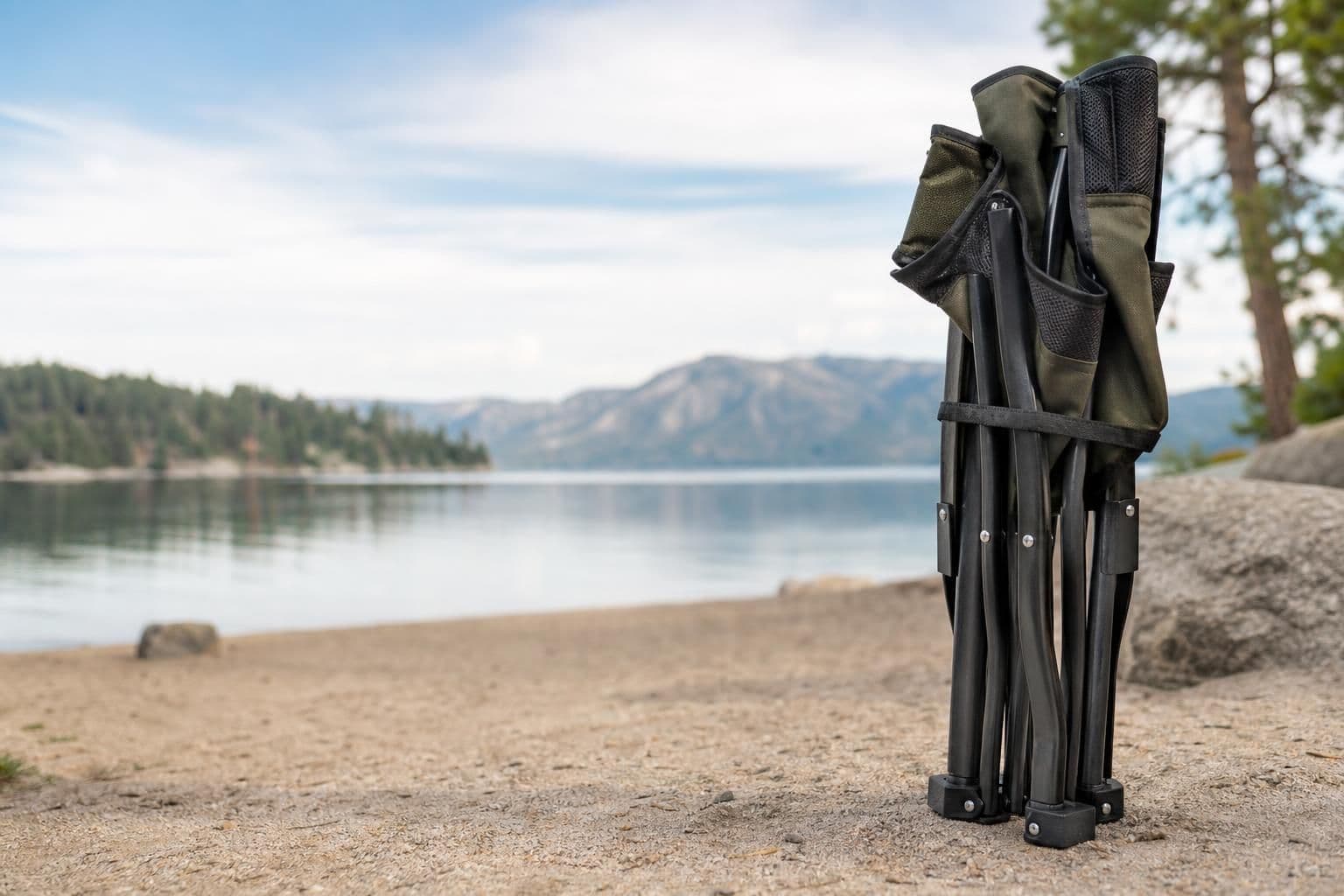
To fold a collapsible seat for storage, release the leg locks or side latches first, push the frame inward along its natural hinge points, then compress the seat flat before securing it with its strap or clip. Most collapsible seats fold in a squeeze-and-collapse motion similar to a camping chair, and forcing a fold in the wrong direction is the most common way to bend a hinge. Doing this in the same order every time also makes the seat easier to grab and set up again without fighting the frame.
Key takeaways
- Always release the locking mechanism before you push or pull on the frame — never force a folded joint.
- Fold along the seat's built-in hinge points in one smooth motion, not corner by corner.
- Store the seat flat or upright in a dry spot, since trapped moisture is the top cause of stuck hinges.
Why Folding Order Actually Matters
Collapsible seats rely on a small number of pivot points to go from a full-size chair to a flat or compact bundle. If you skip the release step and just shove the frame together, you put sideways pressure on the hinge pins instead of the folding pressure they're designed for. Over time that sideways stress is what causes the wobble or stuck-joint feeling people usually blame on "cheap materials," when it's actually a folding habit problem.
A good general rule borrowed from outdoor gear care: fold the way the frame wants to move, not the way that gets it into the bag fastest. The U.S. Consumer Product Safety Commission has flagged folding-chair pinch points as a recurring injury pattern, which is a good reminder to keep fingers clear of the hinge area while collapsing any seat, not just outdoor furniture.
Step-by-Step: Folding a Collapsible Seat
- Empty the seat. Remove cushions, cup holders, or anything clipped to the frame — extra weight or attachments can catch on the hinge during the fold.
- Release the lock. Most models have a side latch, a leg lock, or a spring-loaded button near the base. Press or slide it to unlock before touching the frame.
- Collapse from the center out. Push the two side rails toward each other, letting the seat and backrest fold inward together rather than pulling one side first.
- Flatten fully. Press down evenly until the frame lies flat or reaches its narrowest folded width — don't stop halfway, since a partial fold puts strain on the joint if it's forced into a bag anyway.
- Secure it. Use the built-in strap, elastic band, or carry clip to keep it from springing open in storage or transit.
If a seat resists at any step, stop and check for a second lock you might have missed rather than pushing harder.
Common Folding Mistakes to Avoid
- Folding while it's still under load. Sitting weight or leaning on the frame while releasing the lock can snap the mechanism.
- Ignoring a squeak or grind. That's usually dirt or dried grease in the hinge, not a sign to fold harder.
- Storing it half-open. A seat left slightly open collects dust in the hinge gap and makes the next fold stiffer.
- Twisting instead of pressing. Twisting motions put lateral stress on pivot pins that aren't built to handle it.
Storing It So It's Ready Next Time
Once folded, keep the seat somewhere dry and out of direct sun — UV exposure and humidity are the two biggest reasons folding hardware degrades faster than the fabric or plastic around it, a point echoed in general outdoor-gear care guidance from the National Park Service on maintaining camp equipment between trips. A closet shelf, under-bed space, or trunk organizer all work fine as long as the seat isn't crushed under heavier items that could bend the folded frame.
If you're tight on space at home, folding gear is a natural fit for the kind of no-new-furniture approach covered in this guide to organizing a small apartment — collapsible items are worth prioritizing precisely because they compress down instead of taking up permanent floor space.
When It's Time for a New Collapsible Seat
If a seat won't lock flat anymore, has a bent hinge pin, or the fabric has torn at a stress point, that's usually a sign of frame fatigue rather than a folding technique problem — normal for any seat that gets folded and unfolded a few hundred times. A Collapsible Seat is worth a look if you want a compact option built for repeated setup and breakdown, whether that's for tailgates, camping, or extra seating when guests come over.
Frequently Asked Questions
Q: Why won't my collapsible seat fold flat anymore?
This usually means the lock mechanism is still engaged, or dirt has built up in the hinge joint. Check for a secondary latch near the base before applying more force, since forcing an unreleased lock can bend the frame.
Q: Can I fold a collapsible seat while it's wet?
You can, but you shouldn't store it wet — trapped moisture inside a folded frame encourages rust on metal hinges and mildew on fabric seats. Wipe it down and let it air dry before folding it away long-term.
Q: Is it normal for a collapsible seat to feel stiff when it's new?
Yes, new hinges often need a few open-close cycles to loosen up, similar to breaking in a new hinge on furniture. If stiffness doesn't ease after several folds, check that all locks are fully released before folding.
Q: What's the best way to carry a folded collapsible seat?
Most collapsible seats include a strap, clip, or handle built into the frame specifically for this — use it rather than tucking the folded seat under your arm, since an unsecured fold can spring open unexpectedly.
Q: How much storage space does a folded collapsible seat need?
It varies by model, but folded seats are generally designed to fit in a closet corner, car trunk, or under a bed. Check the product's folded dimensions before buying if you're working with a tight storage spot.