Manual vs Automatic Espresso Maker: Which Should You Buy?
Key takeaway
A manual espresso maker requires you to control water flow, pressure, or both by hand for each shot, giving more control over taste but demanding practice. An automatic espresso maker uses a pump or pod system to standardize pressure and timing, trading some control for push-button consistency. The right choice depends on how much you value hands-on control versus speed and repeatability.
Key takeaways
- Manual machines cost less upfront and let you fine-tune extraction, but shots vary until you build technique.
- Automatic machines use a motorized pump to hit a consistent pressure range, so results are repeatable with little practice.
- Budget, counter space, and how many cups you make daily matter more than brand name when deciding.
How the Two Types Actually Work
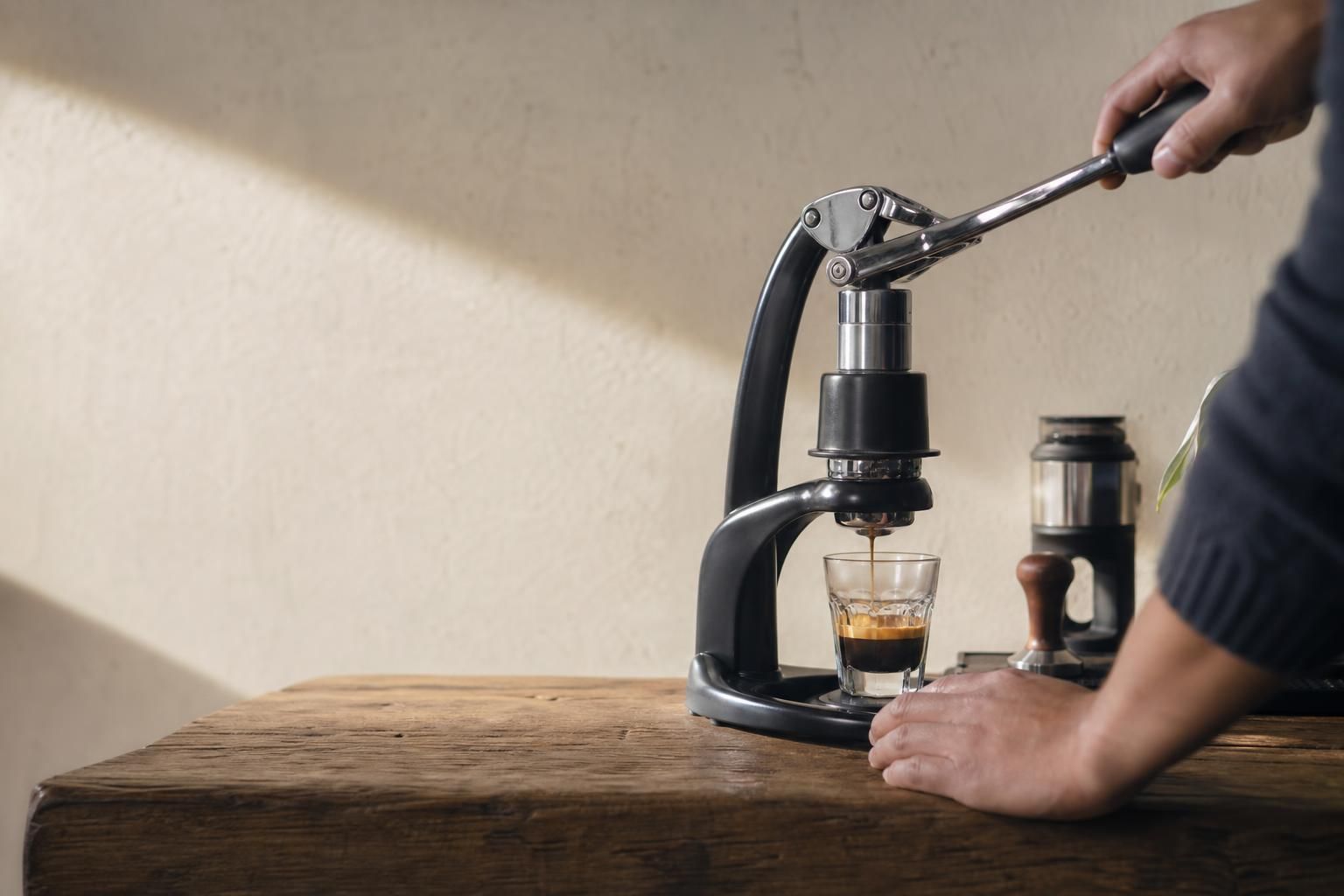
A manual (lever or hand-pump) espresso maker forces hot water through packed grounds using pressure you apply yourself — either by pressing a lever or pumping a piston. The pressure fluctuates with your hand speed, which is why baristas practice lever pulls for consistency. An automatic machine instead uses an electric pump, typically designed to reach around 9 bars of pressure, the level the National Coffee Association and most equipment makers cite as standard for proper espresso extraction. Because the pump regulates pressure electronically, two shots pulled minutes apart tend to taste nearly identical.
Manual Espresso Makers: Strengths and Trade-offs
Manual machines appeal to people who treat espresso as a hobby rather than a morning errand.
- Lower cost of entry — no motor or electronics means simpler construction and usually a lower price point.
- Full control over extraction — you decide how fast or slow to pull water through the puck, which affects body and crema.
- No power outlet needed — many hand-pump models work anywhere, including campsites or small offices.
- Steeper learning curve — grind size, tamp pressure, and pump speed all need to be dialed in together, and early shots often come out uneven.
If you're completely new to espresso, our beginner's guide to espresso machines walks through grind size and tamping basics that apply to manual brewing specifically.
Automatic Espresso Makers: Strengths and Trade-offs
Automatic machines suit people who want espresso on a schedule, not as a project.
- Consistency with less skill — the pump controls pressure, so user error has a smaller effect on the final shot.
- Faster daily routine — most automatics go from power-on to pour in under a minute once warmed up.
- Higher upfront cost — the motor, pump, and electronics add to the price compared to manual designs.
- Less room for personalization — some automatics lock you into fixed shot volumes or pressure profiles.
Valenza's 3-in-1 Espresso Maker is built for this exact use case: a compact countertop unit for people who want espresso without fussing over lever technique every morning.
Side-by-Side Comparison
| Factor | Manual Espresso Maker | Automatic Espresso Maker |
|---|---|---|
| Pressure source | Hand lever or piston | Electric pump (commonly ~9 bar) |
| Learning curve | Steep — technique-dependent | Shallow — mostly push-button |
| Typical upfront cost | Lower | Higher |
| Power source | Often none required | Needs an electrical outlet |
| Shot consistency | Varies with user skill | Consistent shot after shot |
| Best for | Hobbyists, slow mornings | Busy routines, shared offices |
Which One Fits Your Routine
Think about how you actually drink coffee before deciding. If you savor one slow cup and enjoy adjusting variables, manual rewards the time investment. If you need two or three espressos out the door before 8 a.m., or you're sharing a machine with coworkers who won't learn lever technique, automatic removes the guesswork. Office kitchens and shared break rooms almost always favor automatic for this reason — nobody wants to troubleshoot someone else's bad tamp.
Cost is also a factor beyond the sticker price. Our espresso maker cost breakdown covers what you'll spend on grounds, maintenance, and accessories over time, which can shift the math between manual and automatic more than the purchase price alone.
Pods, Grounds, and Flexibility
Many automatic machines are built around proprietary pods, which adds convenience but locks you into one coffee supplier. Manual machines almost always use loose grounds, giving you freedom to buy any roast. If avoiding pod systems matters to you, see our guide on espresso machines that skip the pods for what to look for in a grounds-only setup, whether manual or automatic.
Space and Travel Considerations
Manual machines tend to be smaller and lighter since they skip the motor and water reservoir electronics, which is part of why they show up more often in travel and camping kits. If portability is your main concern rather than the manual-versus-automatic debate itself, our portable espresso maker guide for travel breaks down what matters for a unit that needs to survive a backpack.
Maintenance Differences
Automatic machines have more parts that can wear out — pumps, heating elements, and internal tubing all need occasional descaling and eventual replacement. Manual machines have fewer moving parts, so there's less to break, but seals and gaskets still wear and need periodic replacement. Either way, regular descaling with a food-safe solution is recommended by most manufacturers and echoed by the Specialty Coffee Association in its brewing standards guidance, since mineral buildup affects both temperature stability and taste regardless of machine type.
Frequently Asked Questions
Q: Is a manual espresso maker harder to use than an automatic one?
Yes, generally. Manual machines require you to control pressure and timing by hand, so results depend on practiced technique, while automatic machines use a pump to standardize that process.
Q: Does a manual espresso maker make better coffee?
It can, in skilled hands, because you control extraction variables directly — but an automatic machine often produces more consistent results for someone without that practice.
Q: Which type is cheaper to maintain over time?
Manual machines usually have fewer electronic parts to repair, but both types need regular descaling, and automatic machines may eventually need pump or heating element service.
Q: Can I use any coffee grounds in both types?
Most manual machines accept any loose grounds, while some automatic machines are designed around proprietary pods — check the specific model before assuming compatibility.
Q: Is an automatic espresso maker worth it for a shared office kitchen?
Often, yes, because consistency and speed matter more than customization when multiple people with different skill levels are using the same machine.