How Much Exercise Does a Dog Need?
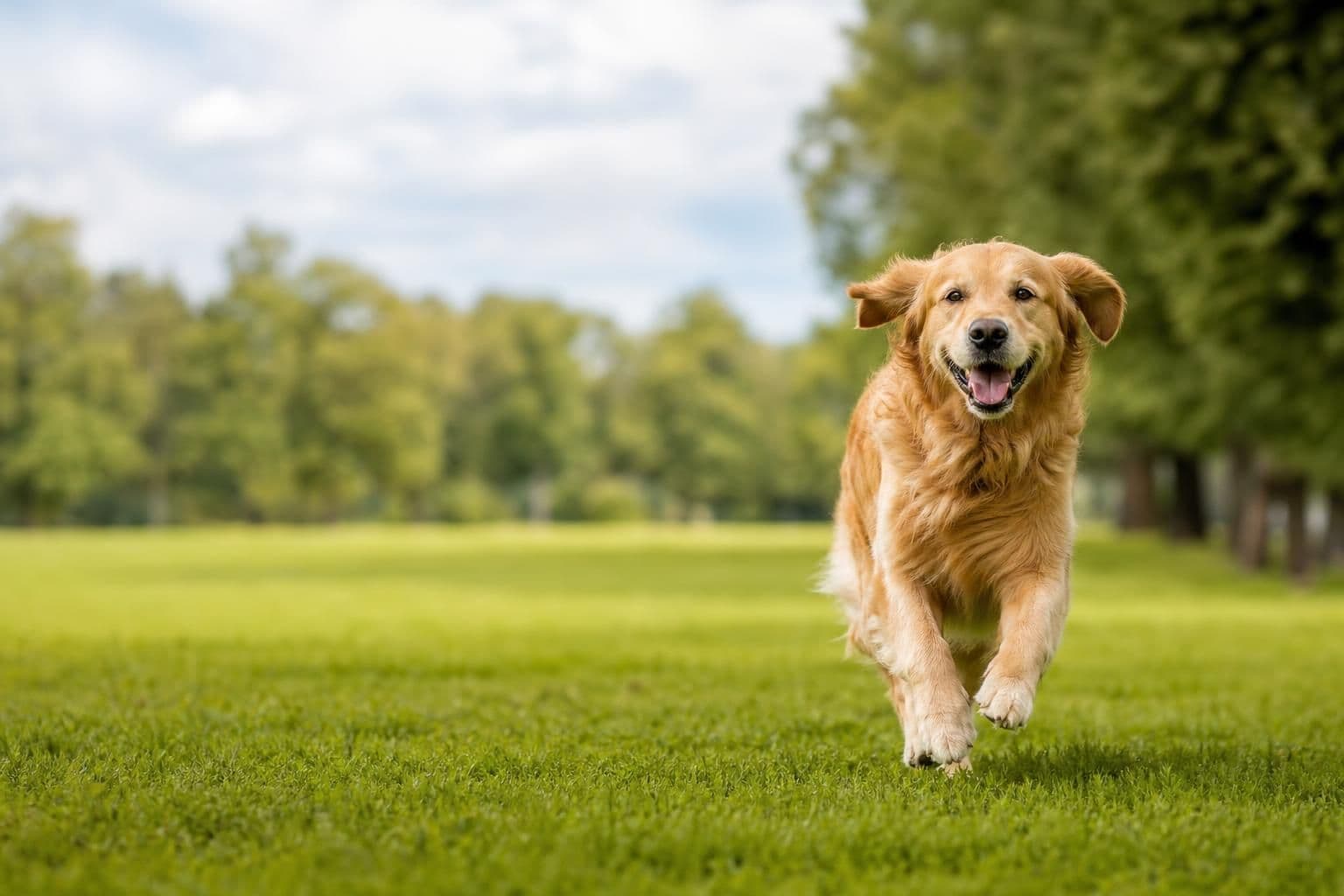
Key takeaway
Most adult dogs need 30 minutes to 2 hours of physical activity a day, split across walks and active play, though the exact amount depends on breed, age, and health status. High-energy working and sporting breeds often need closer to 90-120 minutes, while toy breeds, seniors, and brachycephalic dogs may be well-exercised with 20-30 minutes spread through the day. The right amount is less about hitting a single number and more about matching activity to what your specific dog was bred and built for.
Key takeaways
- Adult dogs generally need 30 minutes to 2 hours of exercise daily, depending on breed and energy level.
- Puppies need shorter, more frequent bursts of play rather than long, sustained walks that stress growing joints.
- Watch behavior, not just the clock — restlessness, destructive chewing, or weight gain often signal under-exercise.
Exercise Needs by Dog Type
Breed history is the single biggest factor in how much movement a dog requires. Herding and sporting breeds like Border Collies, Labrador Retrievers, and German Shepherds were developed for all-day physical work, and many thrive on 60-90 minutes or more of vigorous activity daily. Small companion breeds and brachycephalic (flat-faced) dogs such as French Bulldogs and Pugs usually need far less — often 20-30 minutes — and can overheat or struggle to breathe during intense exertion, a risk the American Veterinary Medical Association specifically flags for short-nosed breeds in warm weather.
Mixed-breed dogs fall somewhere in between, and the best guide is often temperament: a dog that paces, whines, or seems unable to settle is usually asking for more output than it's getting.
How Age Changes the Equation
Puppies need frequent short play sessions rather than long walks, since their growth plates are still developing. A commonly used guideline from veterinary sources is roughly five minutes of structured walking per month of age, twice a day, until the dog is fully grown — so a four-month-old puppy might get two 20-minute walks rather than one long outing.
Adult dogs (roughly 1-7 years, depending on breed) handle sustained daily exercise best and generally need the most total activity.
Senior dogs still need regular movement to maintain joint mobility and a healthy weight, but shorter, lower-impact sessions — multiple short walks instead of one long one — are usually easier on aging joints and more sustainable long-term.
Signs Your Dog Isn't Getting Enough
A dog running short on physical and mental outlets often shows it through behavior rather than obvious fatigue. Common signs include:
- Destructive chewing or digging, especially when left alone
- Excessive barking or whining for attention
- Restlessness at night or difficulty settling down, which some owners notice as pacing or turning in circles before lying down
- Gradual weight gain despite a consistent feeding routine
- Zoomies or bursts of frantic energy indoors
If these patterns show up consistently, it's usually a sign to add activity before assuming there's a behavioral or medical problem.
Exercise Isn't Just Walking
Physical exercise matters, but mental stimulation burns energy too, and a tired brain can be just as settling as tired legs. Puzzle feeders, scent games, and structured training sessions all count toward a dog's daily activity budget, and they're especially useful for dogs with physical limitations like arthritis or recovery from injury. Rotating a few interactive toys — puzzle boxes, squeaky plush toys, or tug ropes — keeps play sessions from going stale, and Ai and Dudu (the two cats who test products before they're listed at Ziva Paws) have made it clear that even feline enrichment toys hold up to real daily chewing and batting, which is a useful proxy for how a dog might treat similar interactive pieces in the toys collection.
Building a Realistic Daily Routine
A sustainable routine usually beats one long, exhausting walk. Many trainers and veterinary behaviorists recommend splitting activity into two or three sessions:
- A morning walk or play session (15-30 minutes)
- A midday mental enrichment break — a puzzle feeder or short training session
- An evening walk or fetch session, adjusted for weather and daylight
After exertion, dogs need real rest to recover, and a supportive, properly sized bed matters here — a dog that's panting heavily or restless at night after exercise may simply be too warm or uncomfortable, something covered in more depth in why dogs pant at night. Checking whether a bed has flattened out or lost its support is also worth doing periodically, especially for active dogs; guidance on timing that replacement is in how often to replace a dog's bed.
Weather and Safety Considerations
Exercise intensity should flex with the weather. The CDC notes that pets are vulnerable to heat-related illness in the same way people are, and hot pavement can burn paw pads well before the air temperature feels dangerous to a person. In summer, shifting walks to early morning or evening and shortening sessions during heat advisories protects dogs from heatstroke. In winter, shorter outdoor sessions supplemented with indoor play help maintain activity levels without exposing dogs to frostbite risk on paws and ears.
Frequently Asked Questions
Q: How much exercise does a puppy need?
Puppies generally need short, frequent sessions rather than long walks — a common guideline is about five minutes per month of age, twice daily, until they're fully grown, to protect developing joints.
Q: Can a dog get too much exercise?
Yes. Over-exercising, especially in puppies, brachycephalic breeds, or dogs with joint issues, can cause injury, joint strain, or heat exhaustion, so intensity should match the dog's age, breed, and fitness level.
Q: Do indoor games count as exercise for dogs?
Mental enrichment like puzzle feeders, scent games, and training sessions burns energy and can supplement or partially replace physical exercise, particularly on days with extreme weather or for dogs recovering from injury.
Q: What breeds need the least exercise?
Toy breeds, many brachycephalic breeds like Pugs and Bulldogs, and senior dogs of most breeds typically need the least exercise, often 20-30 minutes a day spread across shorter sessions.
Q: How do I know if my dog needs more exercise?
Watch for restlessness, destructive chewing, excessive barking, or unexplained weight gain — these are common signs a dog isn't getting enough physical or mental activity.