Are Spy Cameras Legal to Use at Home? What to Know
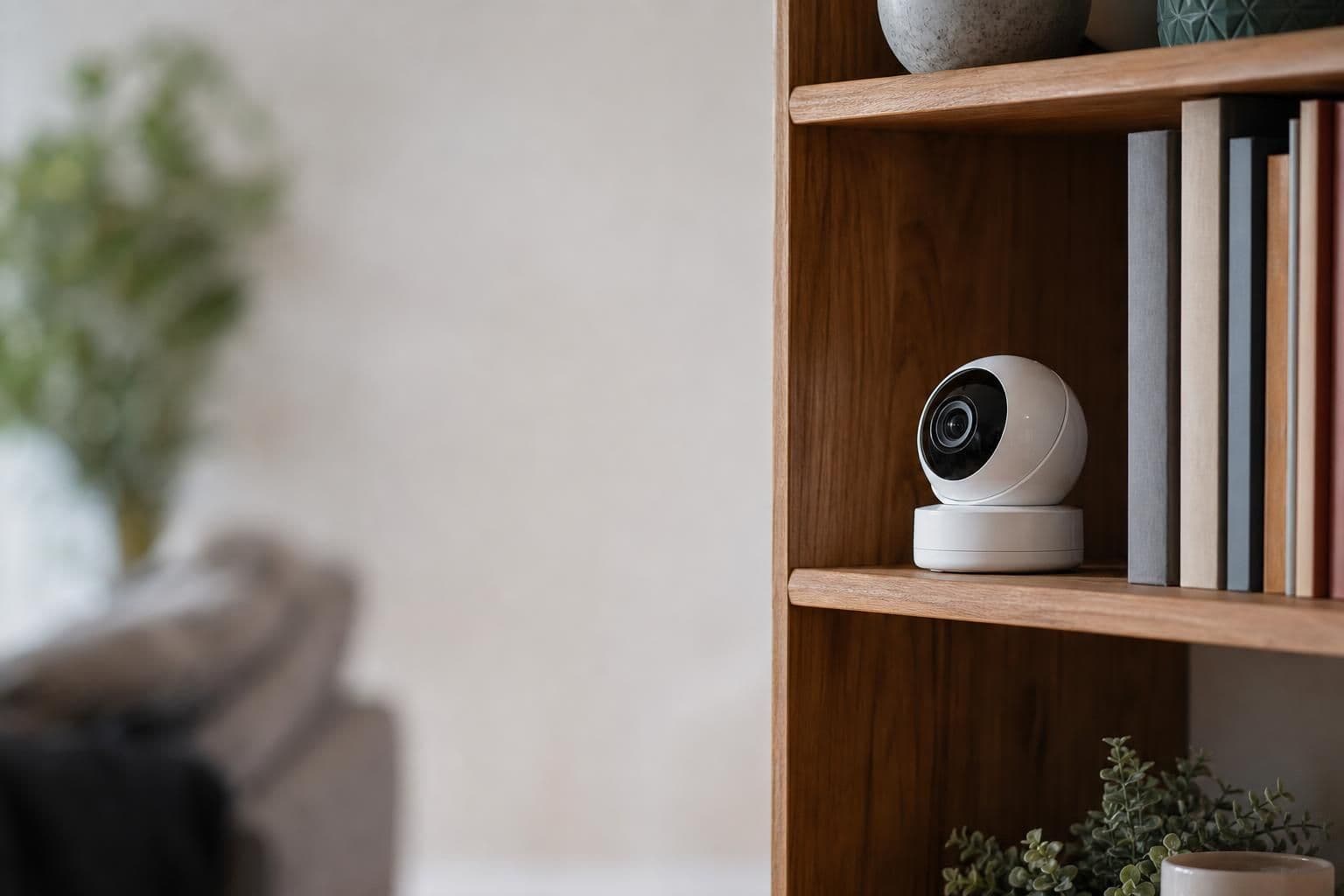
Key takeaway
In most of the United States, it's legal to install a hidden or visible camera inside your own home for security or monitoring purposes, as long as it only captures video (not audio) in areas where people have no reasonable expectation of privacy. The legality shifts once you're recording someone else's private space, a rental unit you don't own, or audio without consent — those situations are governed by separate state and federal laws. Because rules vary by state and country, it's worth checking your local statutes before you record anyone other than yourself.
Key takeaways
- Video-only recording in common areas of your own home (living room, entryway, kitchen) is generally legal in the US.
- Bedrooms, bathrooms, and audio recording without consent carry much stricter rules and can trigger criminal or civil liability.
- If you're a tenant, landlord, or share space with roommates or a nanny, the "reasonable expectation of privacy" standard — not just ownership — decides what's allowed.
The General Rule for Home Surveillance
Homeowners generally have wide latitude to record video inside their own property. Courts have repeatedly held that people don't have a reasonable expectation of privacy in common living spaces like a hallway, kitchen, or front porch, which is why video doorbells and indoor security cameras are so widely used without legal issue. The catch is that "your property" doesn't automatically mean "any room, any time" — the analysis changes once a camera points at a space where someone would expect privacy, such as a bathroom or a guest bedroom.
The Federal Trade Commission has published consumer guidance noting that home security cameras are legal tools for monitoring one's own property, but warns that recording someone without consent in a place they'd expect privacy can violate state privacy laws.
Where It Gets Complicated: Shared and Rented Spaces
If you rent, or you share a home with roommates, a partner, or a live-in caregiver, ownership of the property doesn't override everyone else's privacy rights. A landlord generally cannot place cameras inside a tenant's unit, and a tenant generally cannot record a landlord or a roommate's private room without their knowledge. Common areas like a shared living room are usually fine to monitor; a roommate's closed bedroom is not.
If you're trying to figure out whether an existing camera in a rental or shared space is legitimate versus something someone installed to spy on you, a methodical room-by-room check — including looking for camera lenses in smoke detectors, clocks, or outlets — is the most reliable way to confirm it. This practical guide to finding hidden cameras in a room walks through where they're commonly hidden and how to spot them.
Audio Recording Adds a Separate Layer of Law
Video and audio are treated very differently under US law. About 38 states plus the District of Columbia allow audio recording of a conversation as long as one party to the conversation consents (often called "one-party consent"), while roughly 11 states require every party to consent, according to the Cornell Law School Legal Information Institute, which tracks state wiretapping statutes. This means a camera that also captures audio inside your home could be legal for video but illegal for audio, depending on which state you're in and who's being recorded.
If your goal is simple visual monitoring — checking on pets, packages, or general activity — a video-only setup avoids this entire layer of complexity.
Nanny Cams, Babysitters, and Domestic Workers
Recording a nanny, babysitter, or house cleaner with a hidden video camera in common areas of your home (living room, kitchen, entryway) is generally legal in most states, since these are shared spaces without a reasonable expectation of privacy. What's not generally allowed is placing a camera in a bathroom, a space where the worker changes clothes, or a private bedroom assigned to them, and audio recording still falls under your state's consent rules described above.
Many parents use a small rotatable camera for this exact purpose because it can be repositioned to cover a room without a fixed, obvious angle. A 4K rotatable body camera works for this kind of general home monitoring, though it's built as a wearable/portable device rather than a dedicated nanny cam, so check the angle and mounting options fit your space before relying on it for that use.
Spy Cameras in Bedrooms and Bathrooms
This is the clearest legal line in home surveillance: recording someone in a bedroom, bathroom, or changing area without their knowledge is illegal in nearly every US state, regardless of who owns the property. These are considered spaces with an inherent expectation of privacy, and violating that can lead to criminal charges, not just a civil dispute. This rule applies even to family members, roommates, and guests — ownership of the home doesn't create an exception.
How to Tell If a Camera in Your Space Is Legal
A quick way to sort legal from questionable camera placement:
- Common areas (living room, kitchen, hallway, entryway): Generally legal to record on video, even without telling occupants.
- Bedrooms, bathrooms, changing areas: Almost never legal to record without explicit consent.
- Rental units: Landlords generally cannot place cameras inside a tenant's private living space.
- Audio: Requires consent from one or all parties depending on your state's wiretapping law.
- Workplace-style recording in the home (nanny, cleaner): Usually fine in shared rooms, off-limits in private/changing areas.
What to Do If You Suspect a Hidden Camera
If you're staying somewhere — a rental, a shared house, a vacation property — and want to confirm there isn't an unauthorized camera watching you, a dedicated detector is a faster first step than a manual room search. A hidden camera detector scans for the lens glare and RF signals many small cameras give off, which helps you narrow down a room quickly before doing a closer visual check. Combining a detector sweep with the manual inspection tips in this site's guide to finding hidden cameras covers both the electronic and visual sides of the search.
Frequently Asked Questions
Q: Is it legal to have a hidden camera in my own living room?
Yes, in most US states it's legal to record video in common areas of your own home, including without telling guests, since these spaces don't carry a reasonable expectation of privacy.
Q: Can I record audio along with video at home?
It depends on your state. Most states allow recording if at least one party consents, but roughly a dozen states require everyone being recorded to consent, so check your state's wiretapping law before capturing audio.
Q: Can my landlord put a camera inside my rented apartment?
Generally no. Landlords can typically monitor shared common areas of a building, like a lobby or shared laundry room, but cannot place cameras inside a tenant's private unit without consent.
Q: Is it legal to put a camera in a nanny's or babysitter's work area?
Recording a nanny or babysitter on video in shared home spaces like the living room or kitchen is generally legal, but placing a camera in a bathroom or a private changing area is not, and audio still falls under your state's consent rules.
Q: What should I do if I think someone placed a hidden camera in my rental or hotel room?
Do a manual visual check of common hiding spots (smoke detectors, clocks, outlets, decor) and use an RF-based detector tool to scan for hidden lenses or transmitting signals, then contact the property manager or local authorities if you find one.