Body Camera Etiquette: Rules for Respectful Recording
Key takeaway
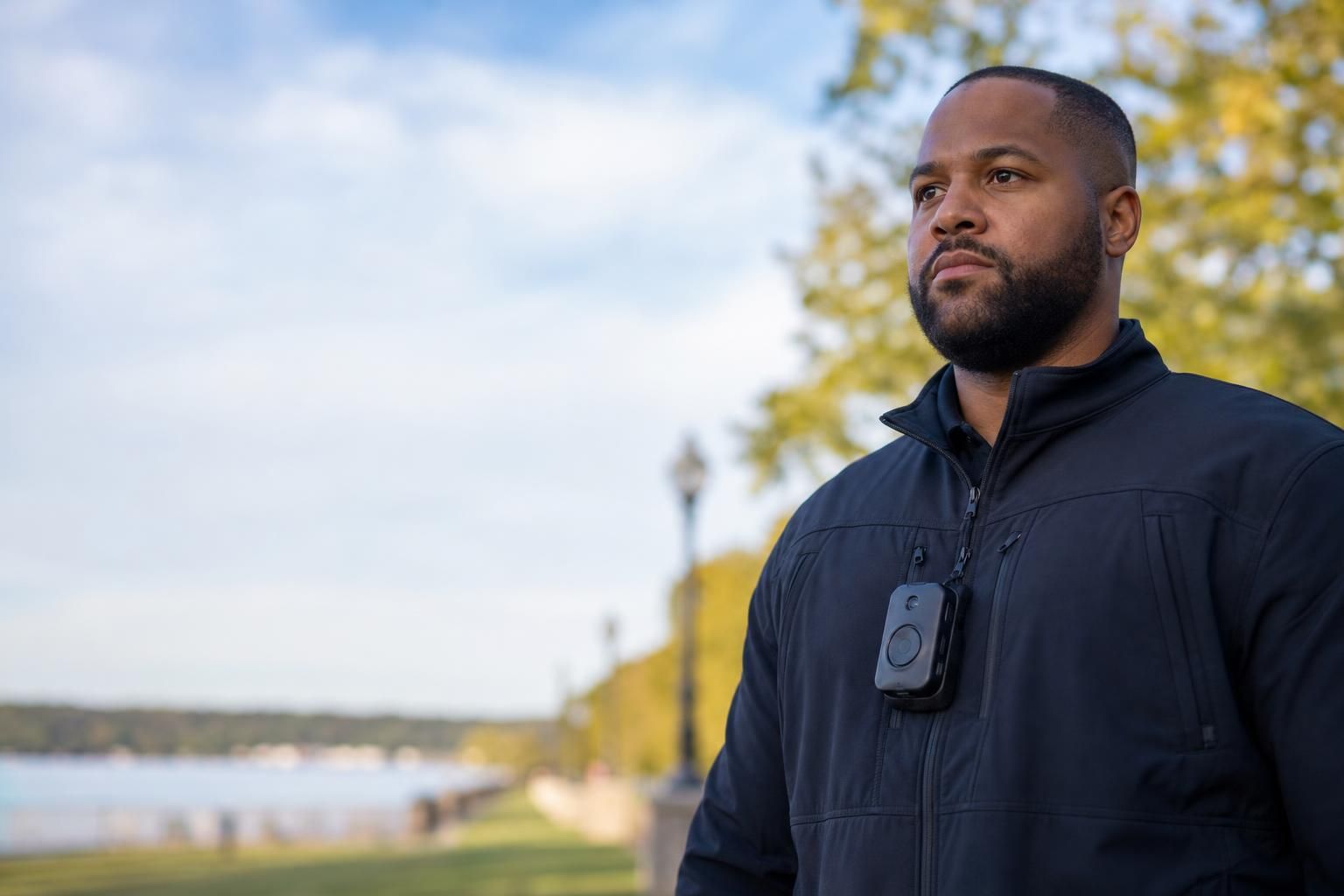
Good body camera etiquette means telling people when you're recording in situations where they'd reasonably expect privacy, avoiding bathrooms, locker rooms, and private homes, and checking local consent laws before you hit record. It also means keeping the camera visible rather than concealed, since covert recording raises both legal and trust issues. The goal is simple: use the device to document your own experience, not to catch people off guard.
Key takeaways
- Disclose recording in private settings (homes, medical offices, locker rooms) even where it isn't legally required.
- Check whether your state requires one-party or all-party consent before recording conversations.
- Keep the camera worn openly and avoid pointing it at bystanders who aren't part of the activity you're documenting.
Why Etiquette Matters Beyond the Law
Legality and etiquette aren't the same thing. A recording can be perfectly legal and still make someone feel surveilled, which damages trust whether you're a cyclist, a delivery driver, or someone documenting a home repair dispute. Etiquette is the layer of judgment that sits on top of the law — it's about predictability and respect, not just what you're permitted to do.
A practical rule: if you'd feel uncomfortable finding out someone recorded you in that same spot, don't record there. This applies even in places where recording is technically legal, like a public sidewalk outside someone's front door.
Know the Legal Baseline First
Etiquette starts with knowing the law, because what's polite also depends on what's allowed. In the United States, recording laws split into two broad categories: one-party consent states, where only one person in a conversation needs to agree to recording, and all-party consent (sometimes called "two-party") states, where everyone involved must agree. Justia's legal guides summarize how this varies by state, and FindLaw breaks down individual state wiretapping statutes in more detail.
Audio and video are often treated differently — video alone in a public space is generally lower-risk than capturing audio of a private conversation without consent. If you're weighing whether recording at work is appropriate, check your state's consent rules and your employer's own recording policy before you start, since workplace rules can be stricter than state law.
Situations Where Disclosure Is the Right Call
Even in one-party consent states, disclosing that you're recording is often the more respectful — and sometimes the safer — choice.
- Private homes and offices: Tell people before you walk in wearing a camera, especially contractors, clients, or guests.
- Healthcare and therapy settings: These often have separate confidentiality rules layered on top of general consent law.
- One-on-one personal conversations: A quick "I've got this recording for my own notes" avoids later disputes about what was said.
- Interactions involving children: Parents and guardians generally expect a heads-up before anyone records their kids.
Disclosure doesn't require a formal announcement — a visible camera, a verbal mention, or a sign on your bag is usually enough.
Where Not to Record, Full Stop
Some places carry a reasonable expectation of privacy regardless of consent laws, and recording there crosses from etiquette into legal risk.
- Restrooms, locker rooms, and changing areas.
- Inside someone else's home without their knowledge.
- Medical exam rooms.
- Areas clearly marked "no recording," such as some retail back offices or courtrooms.
The Reporters Committee for Freedom of the Press maintains state-by-state guides on recording in public versus private spaces, which is a useful starting point if you're unsure where a specific location falls.
Visible Versus Concealed: Why It Matters
Wearing a camera openly — on a chest mount, strap, or lapel — signals that recording may be happening and gives people the chance to adjust their behavior or ask you to stop. A 4K Rotatable Body Camera is designed to be worn hands-free and repositioned for a better angle, which makes it easy to keep visible rather than tucked away. Hidden or disguised recording devices are a separate category entirely, often restricted by specific statutes beyond general wiretapping law, and this article doesn't address or endorse that use case.
If you're trying to decide between a dedicated body camera and other options for documenting your day, comparing a body camera to an action camera can help clarify which format fits your situation and how openly it's typically worn.
Workplace and Public-Facing Etiquette
If your job involves interacting with the public — deliveries, rideshare driving, repair visits — a body camera can document disputes fairly, but etiquette still applies. Let customers or clients know the camera is active, especially at the start of an interaction. The Bureau of Justice Assistance publishes policy frameworks originally built for law enforcement body-worn cameras that cover disclosure, storage, and footage handling — useful reading even outside policing, since the underlying principles (tell people, store footage securely, limit access) transfer well to everyday use.
For anyone comparing a body camera to just using a phone for the same purpose, weighing a body cam against a phone camera is worth reading, since the hands-free, visible format changes how people perceive the recording compared to someone holding up a phone.
Quick Reference Table
| Situation | Etiquette guidance |
|---|---|
| Public sidewalk, general activity | Recording is generally lower-risk; stay aware of your state's law |
| Private home or office visit | Disclose before recording |
| Workplace conversation | Check employer policy and state consent law |
| Restroom, locker room | Never record |
| Conversation with a stranger | Consider disclosing, especially in all-party consent states |
Frequently Asked Questions
Q: Do I legally have to tell someone I'm recording with a body camera?
It depends on your state. In one-party consent states you may not be legally required to disclose, but in all-party consent states everyone in the conversation must agree to being recorded. Check your state's specific statute, since enforcement and exceptions vary; this is general information, not legal advice.
Q: Is it rude to wear a body camera at social gatherings?
It can come across that way if people don't know why you're wearing it, so a brief explanation at the start of the event goes a long way. Keeping the camera visible rather than hidden also helps set expectations.
Q: Can I record a conversation at work without telling my coworkers?
This depends on both your state's consent law and your employer's internal policies, which can be stricter than what the law requires. Review your workplace's recording policy and relevant state rules before recording any work conversation.
Q: What should I do if someone asks me to stop recording?
In most non-public, private settings, it's good etiquette to stop or pause recording when asked, even if you're legally permitted to continue. In public spaces the law is more permissive, but respecting the request often avoids unnecessary conflict.
Q: Does body camera etiquette differ outside the United States?
Yes — consent and privacy laws vary significantly by country, and some places have stricter rules around recording in public than the US does. Always check local regulations for the specific country or region before recording.