Body Cam vs Phone Camera: Which One Should You Use?
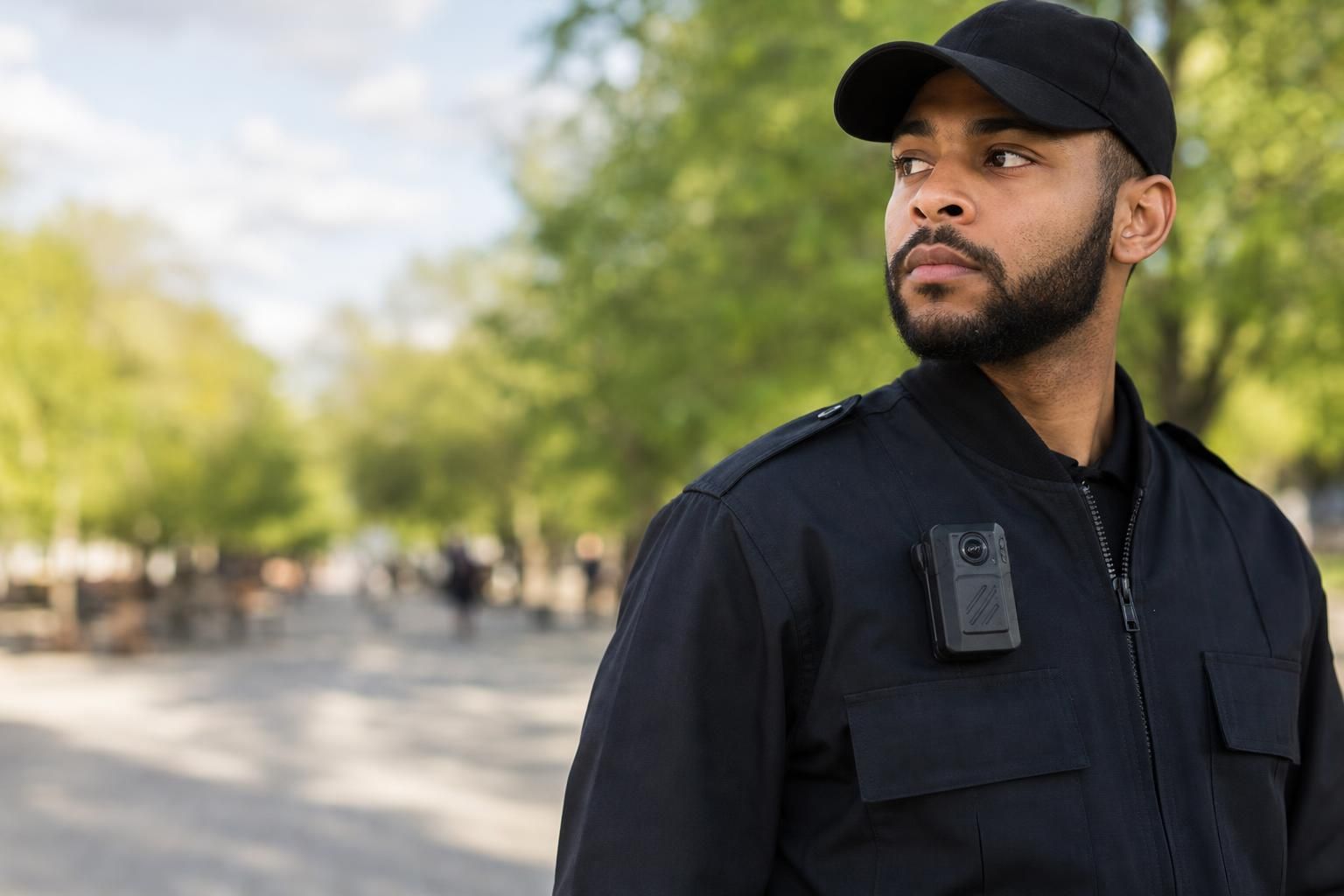
Key takeaway
A body camera is built to record hands-free from a worn position with an adjustable angle, while a phone camera needs to be held, propped, or mounted and requires you to open an app each time. For continuous point-of-view footage during activities like deliveries, walks, or work shifts, a body camera is more practical; for quick, occasional clips and photos, a phone usually covers the need without buying extra gear.
Key takeaways
- A body camera stays on your body and keeps your hands free; a phone camera requires holding or mounting it separately.
- Choose a body camera for continuous or repeated point-of-view recording; choose a phone for occasional, short clips or photos.
- Recording laws differ by state and country, so check local rules before using either device around other people.
What actually separates a body camera from a phone camera
The core difference is form factor, not just picture quality. A phone camera is one function living inside a multipurpose device — it also handles calls, texts, apps, and notifications, all of which can interrupt recording or drain the battery you need for video. A body camera is a single-purpose tool: it's worn, it's rotatable so you can adjust the lens angle without repositioning your whole body, and it's designed for simple, straightforward operation rather than navigating a phone's camera app and settings menu mid-task.
That distinction matters most when your hands need to stay free — riding a bike, working a shift, walking a dog, or doing any task where stopping to pull out a phone isn't realistic.
When a phone camera is the better choice
Phones win for spontaneous, short-duration recording. If you want to snap a photo, record a few seconds of something unexpected, or make a video call, the phone already in your pocket is the faster tool. You also get instant access to editing, sharing, and cloud backup through the apps you already use.
Phones fall short when you need:
- Continuous recording over an extended period without holding the device
- A consistent point-of-view angle that doesn't shift every time you move your arm
- Hands completely free for another task, like cycling or carrying equipment
When a body camera makes more sense
A body camera is built for situations where recording needs to happen passively while you do something else. Because it's worn rather than held, the footage stays steady and hands-free, and a rotatable lens means you can adjust the angle without unclipping the whole unit. This is why body cameras show up often in cycling setups and other activities where stopping to hold a phone isn't an option.
Setup is also simpler by design — most body cameras are built around one job, so there's no app-switching or settings hunting involved, just turning the device on and positioning it.
Comparison at a glance
| Factor | Body Camera | Phone Camera |
|---|---|---|
| Wearability | Worn hands-free, clipped or mounted to clothing | Must be held or mounted separately |
| Recording angle | Rotatable body allows angle adjustment without repositioning | Fixed once mounted; angle depends on phone placement |
| Primary use case | Continuous point-of-view recording during an activity | On-demand short clips, photos, calls |
| Operation | Designed for simple, single-purpose use | Requires opening and managing a camera app each time |
| Footage storage | Varies by device — check the specific product listing | Shares internal phone storage with apps, photos, and messages |
Features worth comparing before you buy
Not every body camera or phone setup is built the same way, so it helps to know which specs actually affect daily use — things like recording resolution, how footage gets stored, and how the device handles different lighting or angles. If you want a breakdown of which specs genuinely matter versus which are just marketing language, this guide to body camera features walks through them one at a time. For Valenza's own listing, the 4K Rotatable Body Camera records in 4K and rotates for flexible positioning, with full shipping and setup details on the product page rather than repeated here.
Legal and privacy considerations
Recording laws vary significantly depending on where you are. Some jurisdictions allow recording as long as one party (you) consents, while others require consent from everyone being recorded — a distinction often called "one-party" versus "two-party" consent, and it applies whether you're using a phone or a body camera. The Reporters Committee for Freedom of the Press maintains state-by-state breakdowns of these recording laws, and Justia provides general summaries of state privacy statutes for reference.
Workplace and rideshare recording add another layer, since employer policies or platform terms can restrict recording even where state law permits it. If recording at work is part of your reason for comparing these devices, see what to know before recording at work and, for drivers specifically, whether a body cam is legal for rideshare use. None of this is legal advice — rules differ by state and country, and covert recording of other people is not something either device should be used for.
Choosing between the two for your situation
If your use case is mostly occasional — documenting a delivery dispute, grabbing a quick clip, or taking photos — a phone camera you already own is the simpler path. If you need steady, hands-free, repeated recording during an activity like a shift, a commute, or outdoor work, a dedicated body camera removes the friction of holding a phone the whole time. For a step-by-step way to match features to your specific use, this buyer's checklist for choosing a body camera covers the main decision points.
Frequently Asked Questions
Q: Is a body camera better than a phone for recording video?
It depends on the task. A body camera is better for continuous, hands-free recording during an activity, while a phone is better for quick, occasional clips since most people already carry one.
Q: Can I legally record someone with a body camera in public?
Recording in public is generally allowed in most places, but consent requirements for recording conversations vary by state and country. Check your local laws through a resource like Justia before recording in situations involving other people.
Q: Does a body camera record better video than a phone?
Video quality depends on the specific devices being compared, not the category alone. What a body camera offers over a phone is a hands-free, adjustable-angle format rather than guaranteed superior image quality.
Q: What's the main downside of using a phone instead of a body camera?
A phone needs to be held or mounted, and recording for long stretches competes with battery life, storage, and other phone functions like calls and notifications.
Q: Do body cameras and phone cameras follow the same recording laws?
Yes — recording laws apply to the act of recording, not the specific device used. The Bureau of Justice Assistance offers general background on recording and surveillance policy, though specific rules still depend on your state or country.