Is a Body Cam Legal for Rideshare Drivers to Wear?
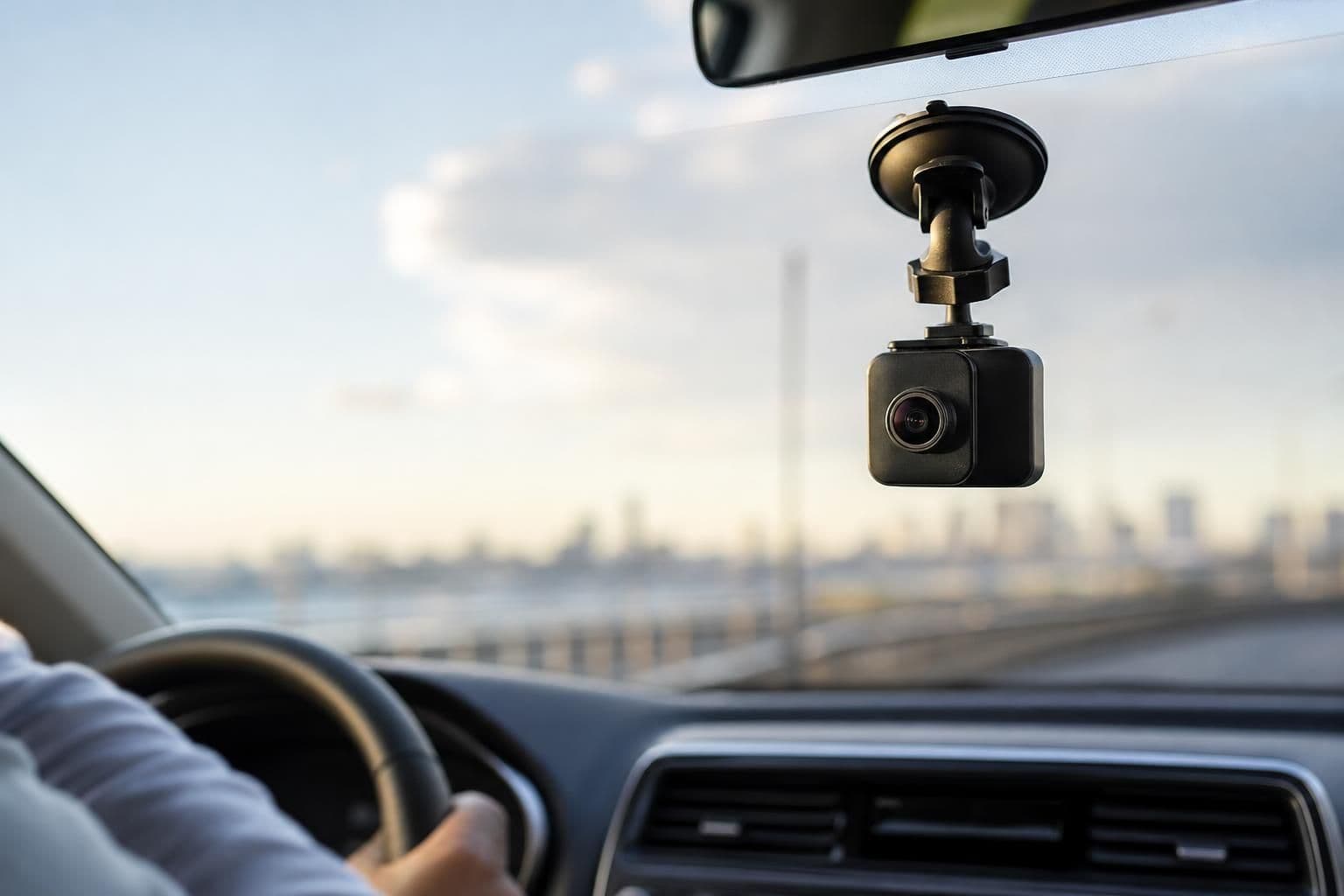
Key takeaway
Wearing a body camera while driving for a rideshare platform is generally legal in the United States, but whether you can record audio depends on your state's consent law, and some platforms have their own rules about in-car recording devices. One-party consent states let you record conversations you're part of without telling the other person; all-party consent states require everyone being recorded to agree. This is general information, not legal advice — laws vary by state and country, so check your local statute and your platform's terms before you start recording.
Key takeaways
- Most U.S. states allow one-party consent recording, but roughly a dozen require all parties to agree — know which type applies where you drive.
- Video-only recording (no audio) sidesteps most wiretapping laws, since those statutes typically target captured conversations, not footage.
- Check your rideshare platform's own recording policy in addition to state law — platform rules and legal rules aren't the same thing.
Why Rideshare Drivers Record in the First Place
Drivers wear or mount cameras mainly to document disputes, protect against false complaints, and have a clear record if a ride goes wrong. A camera doesn't prevent a bad interaction, but it gives both the driver and the platform something concrete to review instead of relying on conflicting accounts. This is the same logic covered in our guide to choosing a body camera for delivery and rideshare driving, which looks at what drivers actually need from a device day to day.
One-Party vs. All-Party Consent, in Plain Terms
U.S. recording law splits into two broad categories:
| Consent type | What it means | Practical effect for drivers |
|---|---|---|
| One-party consent | Only one person in the conversation needs to know it's being recorded — that can be you | You can generally record conversations in your own vehicle without announcing it |
| All-party (two-party) consent | Everyone being recorded must agree first | Recording audio without telling passengers can expose you to legal risk |
| Video-only | No conversation is captured, just footage | Typically falls outside wiretapping statutes in most states |
The majority of U.S. states follow one-party consent rules, while a smaller group — including California and Florida — require all-party consent for recorded conversations. For a breakdown of which category your state falls into, the Reporters Committee for Freedom of the Press maintains legal resources on recording and consent law, and Justia publishes state-by-state statute summaries you can search by topic.
Check the Platform's Rules, Not Just the Law
Being legally allowed to record doesn't automatically mean a rideshare platform permits it. Some platforms have specific language in their driver terms about dash cams, body cameras, or in-cab recording — covering things like whether footage can be shared publicly or used in disputes. Since these policies change and differ by platform, the only reliable step is to read your specific platform's current driver agreement rather than assume one platform's rules apply to another.
What to Look For If You're Buying One for Driving Shifts
A body camera built for long shifts behind the wheel needs to be simple to operate one-handed and easy to position for a clear view of the cabin. The 4K Rotatable Body Camera records in 4K and has a rotatable body, which lets you adjust the angle without repositioning the whole mount — useful when you're trying to capture the cabin view rather than the ceiling of your car. It's built as a wearable, hands-free device with straightforward setup, which matters when you're getting in and out of the car between rides all day.
Beyond the camera itself, placement affects what you actually capture. Our guide on how to wear a body camera for the clearest angle covers chest versus shoulder mounting and why angle matters more than most people expect.
Disclosure: The Simple Habit That Avoids Most Problems
Even in one-party consent states, many drivers choose to disclose recording anyway — a small dashboard sticker or a mention at pickup ("just so you know, I run a camera for safety") avoids confusion and often defuses tension before a ride even starts. This isn't a legal requirement everywhere, but it's a low-cost habit that sidesteps the awkward conversation that happens when a passenger notices a camera mid-ride and feels blindsided.
Covert Recording Is a Different Question Entirely
There's an important distinction between recording openly as a safety measure and hiding a device to capture someone without their knowledge. Covert recording of private conversations can violate wiretapping and eavesdropping statutes even in one-party consent states, depending on the circumstances and location of the recording. This article does not suggest using a body camera, or any device, to record someone covertly — if you're unsure whether a specific situation requires disclosure, FindLaw has consumer-facing explainers on state recording statutes, and the question is worth reading up on before you drive, not after an incident.
If you're wondering about the broader question of whether private citizens can wear cameras at all, our piece on what the law says about civilians wearing body cameras walks through that from a non-driving angle, which is useful if you also want a camera for situations outside your car.
Frequently Asked Questions
Q: Do I need to tell passengers I'm recording them?
It depends on your state. In all-party consent states you generally need to disclose recording before capturing audio, while one-party consent states don't require it — but disclosing anyway is a common, low-friction habit many drivers adopt regardless of the law.
Q: Is video-only recording treated differently from audio recording?
Yes, generally. Most wiretapping and eavesdropping statutes focus on capturing conversations, so video without audio typically falls outside those specific laws, though you should still confirm this against your state's statute.
Q: Can a rideshare platform ban body cameras even if my state allows them?
Yes. State law governs what's legal to record, but the platform's own driver terms govern what's allowed on their service — the two aren't the same, and platform rules can be stricter than the law requires.
Q: Does Valenza's body camera handle audio recording differently from video?
The product page for the 4K Rotatable Body Camera lists its recording, rotatable-body, and wearable hands-free features — check that page directly for the current feature list rather than assuming audio behavior, since specifics can change.
Q: Where can I check my specific state's consent law before I start recording?
State attorney general websites and legal reference sites like Justia or FindLaw publish state-by-state recording consent summaries. This article is general information, not legal advice, so confirm details for your exact state before relying on them.