How to Wear a Body Camera: Placement, Angles & Setup
Key takeaway
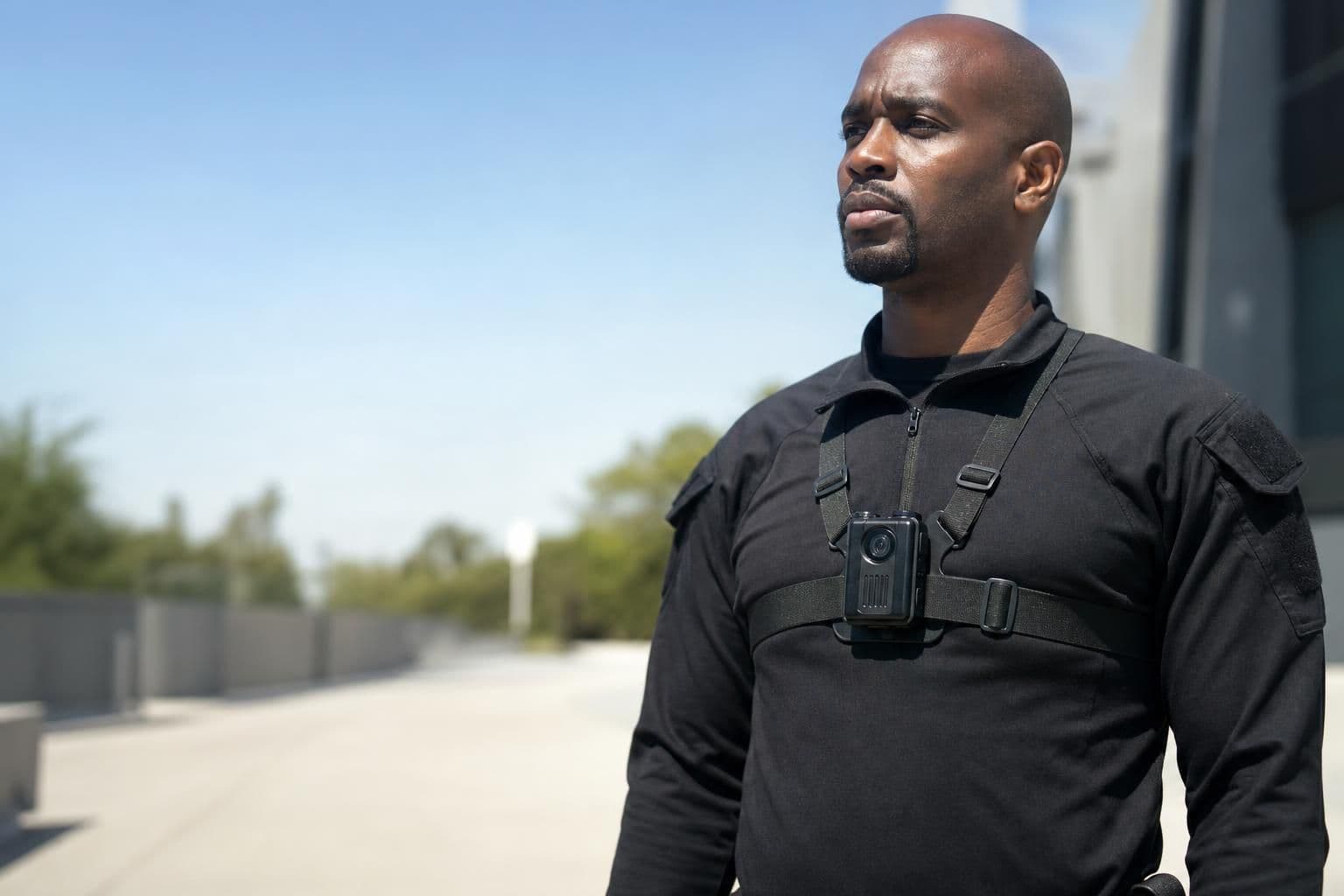
Most people wear a body camera on the chest, centered or slightly off to one side, with the lens angled outward and level with the horizon. The exact spot depends on your clothing, your job, and whether the camera has a fixed or rotatable lens — a rotatable design gives you room to correct the angle after the camera is already clipped on. Comfort and a clear, unobstructed line of sight matter more than finding one "correct" position.
Key takeaways
- Chest height, centered or slightly to the side, gives the most stable and natural field of view for everyday wear.
- A rotatable lens lets you fix the angle after clipping the camera on, which matters more than getting the exact spot perfect on the first try.
- Check your state or country's recording laws before using a body camera around other people — rules on consent vary widely.
Where to position the camera on your body
Chest-level placement is the most common choice because it roughly matches eye level when you're standing or walking, which keeps footage oriented the way a person naturally sees a scene. Centering the camera on the sternum works for most people, though if you carry a bag, wear a jacket that flaps open, or cross your arms often, shifting it slightly to one side can avoid the strap blocking the lens.
Shoulder and collar placement is used less often for casual wear but shows up in some work settings because it sits higher and is harder to brush against. Head or cap mounts exist in the broader market too, but they're less common for everyday use since they shift with every head turn, which can make footage harder to follow.
| Position | Typical use | Pros | Trade-offs |
|---|---|---|---|
| Center chest | Everyday wear, walking, driving | Stable, natural framing | Can be blocked by bags or folded arms |
| Side chest | Bag or satchel wearers | Clears straps and pockets | Slightly off-center framing |
| Shoulder/collar | Some work uniforms | Less likely to be brushed | Less common for casual use |
Why the angle matters more than the exact spot
A camera that's perfectly placed but tilted down at your shoes isn't useful. Angling the lens so it points slightly upward from chest height, roughly parallel to where your eyes are looking, keeps the frame centered on what's happening in front of you rather than the ground. This is where a rotatable lens design is genuinely useful — instead of re-clipping the whole unit to fix a bad angle, you rotate the camera body itself until the view is level.
If you're deciding between a fixed-lens and rotatable camera in the first place, it's worth reading through what a 4K body camera buying guide covers before you buy, since angle adjustment is one of the easier things to check in the store but easy to overlook once you're already wearing one on the job.
A simple step-by-step for putting one on
- Clip or attach the camera to the chest area of your clothing — a jacket zipper, shirt placket, or vest strap all work, depending on what you're wearing.
- Stand normally and check that the lens isn't angled sharply up or down.
- Do a quick framing check by glancing at the live view or a short test clip, if the camera offers one.
- Adjust by rotating the camera body (on a rotatable model) or re-clipping at a slightly different spot (on a fixed model) until the horizon in the frame looks level.
- Recheck after sitting, bending, or putting on a jacket over it, since clothing shifts the camera more than people expect.
Placement differs by job
Someone wearing a camera for a single errand has different needs than someone wearing one for an eight-hour shift. Delivery and rideshare workers often want a placement that survives repeated in-and-out-of-vehicle movement without snagging on a seatbelt — the considerations in choosing a body camera for delivery and rideshare driving cover this in more detail. Security staff, on the other hand, tend to prioritize a position that stays stable during walking patrols and quick movement, which is addressed in what security guards should look for in a body camera.
Is it legal to wear a body camera?
This varies by location, so treat the following as general information rather than legal advice. In the United States, most states follow "one-party consent" rules for audio recording, meaning only one person in the conversation needs to agree to being recorded — but a handful of states require all parties to consent, and the rules can differ for video versus audio. The Reporters Committee for Freedom of the Press maintains a state-by-state breakdown of recording laws, and Justia publishes summaries of state statutes that are a useful starting point before you record anyone other than yourself. Laws outside the U.S. differ further, so check local rules if you're traveling or working internationally.
Regardless of what's legal, wearing a camera to secretly record someone without their knowledge raises separate ethical and workplace concerns. Visible, openly worn cameras — the kind this guide is about — are a different situation from concealed recording, and this article isn't suggesting the latter.
What to check before you buy
Beyond placement, the features that actually affect day-to-day wear include recording resolution, how the camera attaches to clothing, and how simple the controls are to operate one-handed. The 4K Rotatable Body Camera records in 4K and uses a rotatable body so you can correct the angle after it's clipped on, which covers the two placement issues most people run into. For battery life, storage capacity, or mounting hardware specifics, check the product page directly rather than assuming based on similar cameras you've seen elsewhere.
Frequently Asked Questions
Q: Where is the best place to wear a body camera?
Chest height, centered or slightly off to one side depending on your clothing and bags, works best for most people because it roughly matches natural eye level and keeps the frame stable while walking.
Q: Does a rotatable body camera make placement easier?
Yes — a rotatable lens lets you correct the angle after the camera is already clipped to your clothing, so you don't need to find the exact perfect spot on the first attempt.
Q: Is it legal to wear a body camera in public?
In most U.S. states, recording in public is generally allowed under one-party consent rules, but some states require all-party consent and rules differ for audio versus video, so check your state's specific law; this isn't legal advice.
Q: Can clothing affect how a body camera sits?
Yes — jackets that flap open, bag straps, and seatbelts are the most common causes of a camera shifting or getting blocked, so recheck the angle after putting on outerwear or sitting down.
Q: Do I need a special mount to wear a body camera?
Mounting options vary by camera model, so check the specific product page for the attachment type and hardware included before assuming it matches another device you've used.