Body Camera Features Explained: What Actually Matters
Key takeaway
A body camera's core features fall into four groups: recording quality (resolution and angle control), wearability (how it mounts and how hands-free it is), ease of use (how fast you can start recording), and logistics (battery, storage, and durability — which vary by model and should always be confirmed on the product page before buying). Understanding these groups lets you compare cameras on substance instead of marketing language.
Key takeaways
- Resolution and rotatable positioning determine how usable your footage actually is, not just how sharp it looks.
- Wearable, hands-free design matters more for daily use than any single spec on a box.
- Battery life, storage, and water resistance differ by product — always verify these on the specific listing rather than assuming.
What "body camera features" actually means
When people search for body camera features, they're usually trying to sort real functionality from marketing buzzwords. A feature is something the camera demonstrably does — records at a stated resolution, rotates to a stated range, clips onto clothing — versus a vague claim like "professional grade." The most useful way to evaluate a camera is to separate features into what affects footage quality, what affects comfort and usability, and what affects day-to-day logistics like charging and storing clips.
Core feature categories, compared
| Category | What it covers | Why it matters |
|---|---|---|
| Recording quality | Resolution (e.g., 4K), ability to rotate or angle the lens | Determines whether footage is clear enough to be useful later |
| Wearability | Clip type, hands-free design, body placement | Affects whether you'll actually wear it consistently |
| Ease of use | Number of buttons, setup steps, start/stop simplicity | Matters most in moments when you don't have time to fumble |
| Logistics | Battery life, storage capacity, water resistance, mounting hardware | Varies significantly by model — always check the specific product listing |
Treat the logistics row as a checklist of questions to ask about any camera you're considering, not a set of features every device has. Specs in that category differ widely between products, so they're worth confirming directly rather than assuming based on category norms.
Recording quality and angle flexibility
Resolution is the most commonly advertised spec, but it only tells part of the story. A camera recording in 4K captures more visual detail than lower resolutions, which helps when you need to make out faces, license plates, or small text after the fact. Equally important is whether the camera can rotate — a fixed lens only captures what's directly in front of it, while a rotatable body lets you adjust the angle without repositioning your whole body. The 4K Rotatable Body Camera is built around this combination: 4K recording paired with a rotatable body for flexible positioning, in a wearable, hands-free format with simple operation.
If you're trying to decide between a body-worn format and a handheld or helmet-mounted action camera, the tradeoffs are different enough that it's worth reading a side-by-side look at how body cameras and action cameras differ in everyday use before you commit to either style.
Wearability and hands-free design
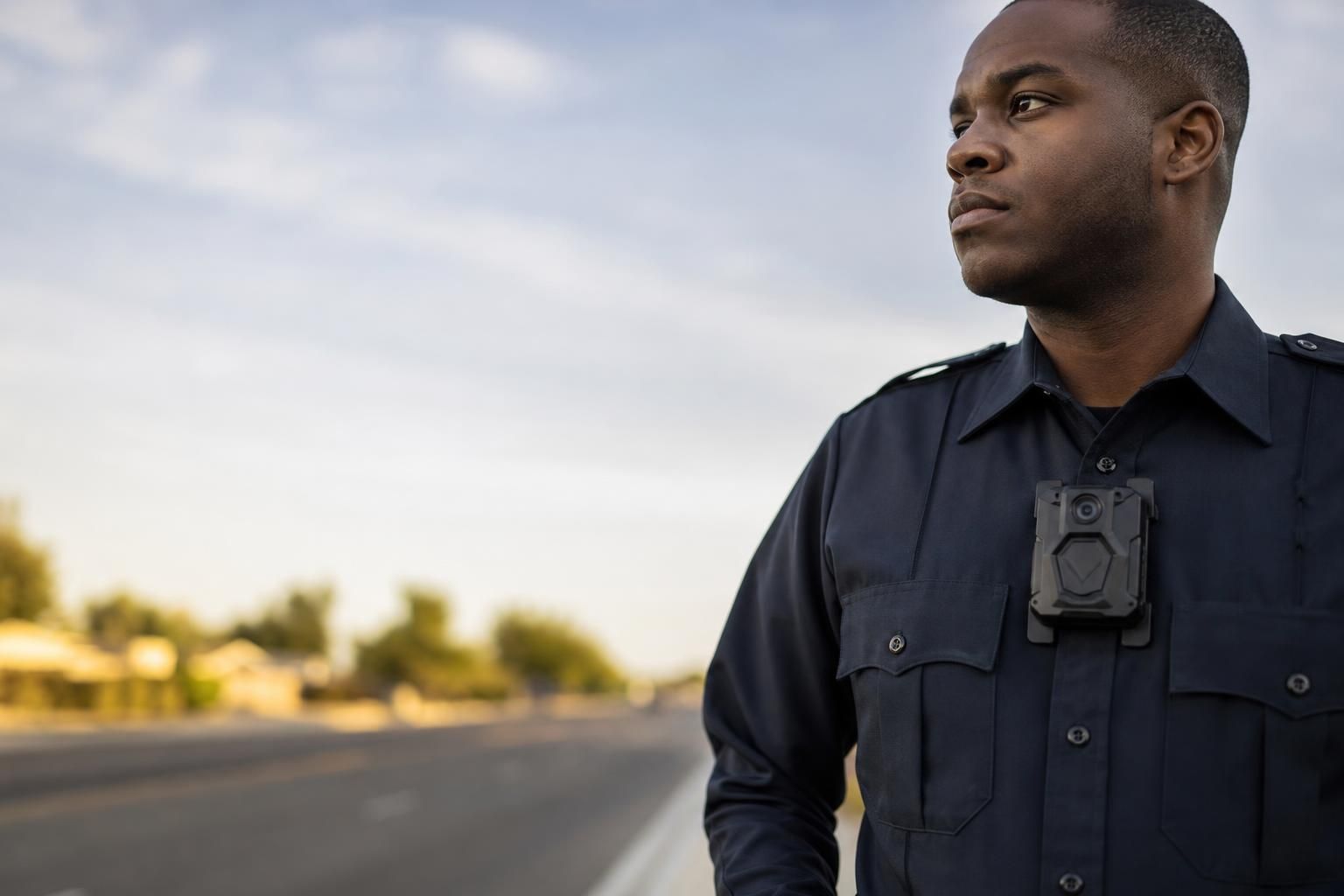
A camera that's technically powerful but awkward to wear ends up sitting in a drawer. Wearability features include how the unit clips to clothing, whether it sits flat against the body, and whether you need both hands to operate it. A hands-free, wearable design means you can start recording and keep moving — useful for anyone who needs their hands for a leash, a bike, a delivery bag, or a toolkit. For a full walkthrough on mounting positions and angle adjustments once you own one, see this guide on where and how to wear a body camera for the best angle.
Ease of use: why fewer steps matters
Simple operation isn't a minor convenience — it's often the difference between capturing an incident and missing it. A camera that requires multiple menu steps to start recording defeats the purpose of wearing it in the first place. Look for designs built around one or two simple actions: power on, press to record. This is a practical reason to prioritize ease-of-use claims over a long list of secondary features when you're comparing options for the first time; a buyer's checklist for choosing a body camera walks through how to weigh these tradeoffs.
Legal considerations before you record anyone
Recording laws vary significantly by country and by U.S. state, particularly around consent. Some states require only one party to a conversation to consent to recording, while others require all parties to consent — a distinction tracked in detail by legal reference sites like Justia and explained from a press-freedom angle by the Reporters Committee for Freedom of the Press. Workplace recording adds another layer, since employer policies can restrict recording even where state law would otherwise allow it; the Bureau of Justice Assistance has published model policy language used by agencies that deploy body-worn cameras, which illustrates how differently recording is treated across contexts.
This is general information, not legal advice. Body cameras and hidden camera detectors should never be used to record someone covertly — check your local and state laws, and your employer's policy if relevant, before recording in any shared or public space. If recording at your job is the specific question on your mind, this breakdown of what to know before recording at work covers the common scenarios in more detail.
Matching features to how you'll actually use the camera
The "right" feature set depends heavily on your use case. Someone walking dogs through a neighborhood has different priorities than someone showing homes to strangers or riding a bike in traffic. Rather than chasing every available spec, match the camera's strengths — resolution, angle flexibility, hands-free wearability — to the situations where you'll actually use it most.
Frequently Asked Questions
Q: What's the most important body camera feature for everyday use?
For most everyday users, hands-free wearability and simple one-step recording matter more than any single spec, since a camera that's easy to wear and operate actually gets used consistently.
Q: Does a higher resolution always mean better footage?
Higher resolution, like 4K, generally captures more visual detail, but a rotatable lens or better angle positioning can matter just as much since a sharp recording of the wrong angle is still unhelpful.
Q: Are body cameras legal to use in public?
Recording in public is generally permitted in many places, but consent rules for recording conversations vary by state and country, so it's worth checking local law through a resource like Justia before recording people directly.
Q: Can I use a body camera at work?
It depends on your state's consent laws and your employer's specific policies, which can be stricter than what state law requires; this is a question worth researching case by case rather than assuming is settled.
Q: How do I know if a body camera will fit my specific use case, like cycling or dog walking?
Match the camera's angle flexibility and wearability to your activity's movement pattern — guides on body cameras for cycling and dog walking break down what each activity typically needs.