How Does a 3-in-1 Espresso Maker Work?
Key takeaway
A 3-in-1 espresso maker combines three brewing functions in one countertop unit: a pump or pressurized system that forces hot water through ground coffee to make espresso, a steam wand that heats and froths milk, and often a separate mode for drip-style or Americano-strength coffee. The three parts share one water reservoir and heating element, but each function uses that heat differently — pressure for espresso, steam for milk, and simple hot water for regular coffee.
Key takeaways
- Espresso is made by forcing hot water through finely ground, tightly packed coffee at high pressure — usually around 9 bar in dedicated machines.
- The steam wand and the brew head use the same boiler but different valves, so you can froth milk right after (or instead of) pulling a shot.
- Most home 3-in-1 units need regular descaling, since mineral buildup is the main reason they lose pressure or leak over time.
What "3-in-1" Actually Means
The "3" usually refers to three output modes built into one machine body:
- Espresso mode — water is pushed through a portafilter packed with fine grounds at high pressure, producing a small, concentrated shot with crema on top.
- Steam/froth mode — the steam wand injects hot vapor into milk, texturing it for lattes or cappuccinos.
- Standard hot water or drip mode — for a milder, larger cup without the pressure step, similar to a regular coffee maker or an Americano when combined with a shot.
Some models also swap in a capsule holder as the third function instead of a drip mode, so it's worth checking the specific unit's manual for which three modes it actually covers. Valenza's 3-in-1 Espresso Maker follows this same general layout — one compact body handling espresso, steaming, and a milder brew option.
How the Brewing Mechanism Works
Inside the machine, water sits in a reservoir and is heated by an internal element until it's hot enough to extract flavor without scorching the coffee. For espresso specifically, a pump (or in manual lever models, hand pressure) pushes that hot water through tightly packed, finely ground coffee in a portafilter basket. The resistance of the packed grounds combined with the pressure is what produces the thick, syrupy shot and the tan foam layer called crema.
Specialty coffee standards commonly reference roughly 9 bar of pressure and water temperatures in the 195–205°F range as the target zone for a balanced shot, according to brewing guidelines published by the Specialty Coffee Association. Home machines vary in how closely they hit that exact number, but the underlying mechanism — heat plus pressure plus fine grounds — is the same across brands and price points.
Step-by-Step: Pulling a Shot
A typical cycle looks like this:
- Fill the water reservoir and let the machine heat up (usually indicated by a light or a warm-up sound).
- Grind coffee fine — closer to table-salt texture than sand — and pack it firmly into the portafilter basket.
- Lock the portafilter into the brew head.
- Start the brew cycle; water is pushed through the grounds under pressure for roughly 25–30 seconds.
- A shot typically yields about 1–2 ounces of concentrated coffee topped with crema.
If the shot runs too fast, the grind is usually too coarse or too loosely packed. If it barely drips, the grind is likely too fine or packed too hard.
How the Steam Wand Froths Milk
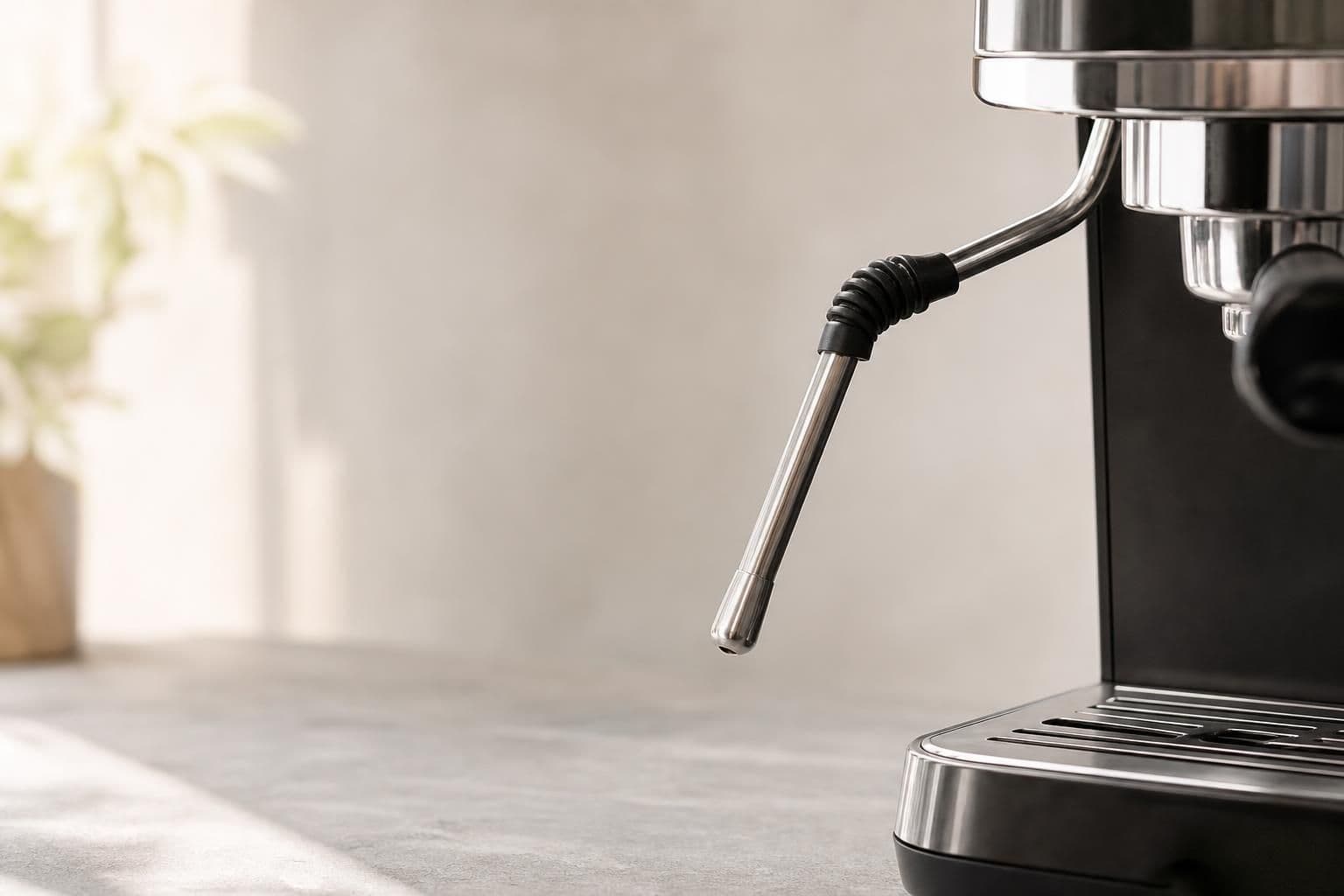
The steam function works on a separate principle: instead of pushing water through solids, the machine converts water in the boiler into pressurized steam and releases it through a thin wand. When that steam is introduced into cold milk at an angle, it does two things at once — it heats the milk and pulls in air, creating the microfoam used for lattes and cappuccinos. The texture depends more on wand angle and milk temperature than on the machine itself; overheating milk past a certain point breaks down its proteins and produces a flat, less stable foam.
The National Coffee Association notes that fresh, cold whole milk generally froths more predictably than milk that's been reheated, since fat and protein structure affect how well air integrates.
Cleaning, Descaling, and Everyday Care
Because all three functions pull from the same reservoir and heating system, mineral buildup from tap water is the most common cause of reduced pressure, slower steaming, or leaks. Manufacturers generally recommend:
- Descaling every 1–3 months depending on water hardness, using a food-safe descaling solution or diluted citric acid.
- Rinsing the portafilter and steam wand tip after every use, since dried milk clogs the steam holes quickly.
- Emptying and drying the drip tray regularly to avoid mold or odor buildup.
The U.S. Consumer Product Safety Commission advises unplugging any countertop heating appliance before cleaning it, which applies directly to espresso machines given their internal heating elements and pressurized components.
Who a 3-in-1 Machine Suits
A 3-in-1 espresso maker fits people who want café-style variety without owning three separate appliances — useful for a small kitchen counter or a compact office desk setup where space is limited. It's a reasonable middle ground for someone who wants espresso and milk drinks occasionally but doesn't need a commercial-grade rig. If you're shopping for a coworker or a coffee-loving friend, it also fits naturally into a list of practical gifts for coworkers or a broader roundup of affordable everyday gadgets.
Frequently Asked Questions
Q: Do I need special coffee for a 3-in-1 espresso maker?
No — any coffee ground fine enough works, though pre-ground "espresso roast" bags are convenient because they're already milled to the right texture.
Q: Why is my espresso watery instead of thick with crema?
This usually means the grind is too coarse, the coffee is packed too loosely, or the machine isn't reaching full pressure, often due to mineral scale buildup.
Q: Can the steam wand make hot chocolate or tea, not just milk?
Yes, the wand simply injects steam, so it can heat and froth other liquids like plant-based milk, though very thin liquids won't foam the same way dairy does.
Q: How often should I descale a 3-in-1 espresso maker?
Roughly every 1–3 months for average tap water, or more often in areas with hard water, since scale buildup is the main cause of pressure loss over time.
Q: Is a 3-in-1 machine harder to maintain than a regular drip coffee maker?
It has a few more parts — a portafilter and steam wand — but the core maintenance (rinsing daily, descaling periodically) isn't meaningfully more complex, just more frequent.