How to Choose a Camping Chair That Won't Let You Down
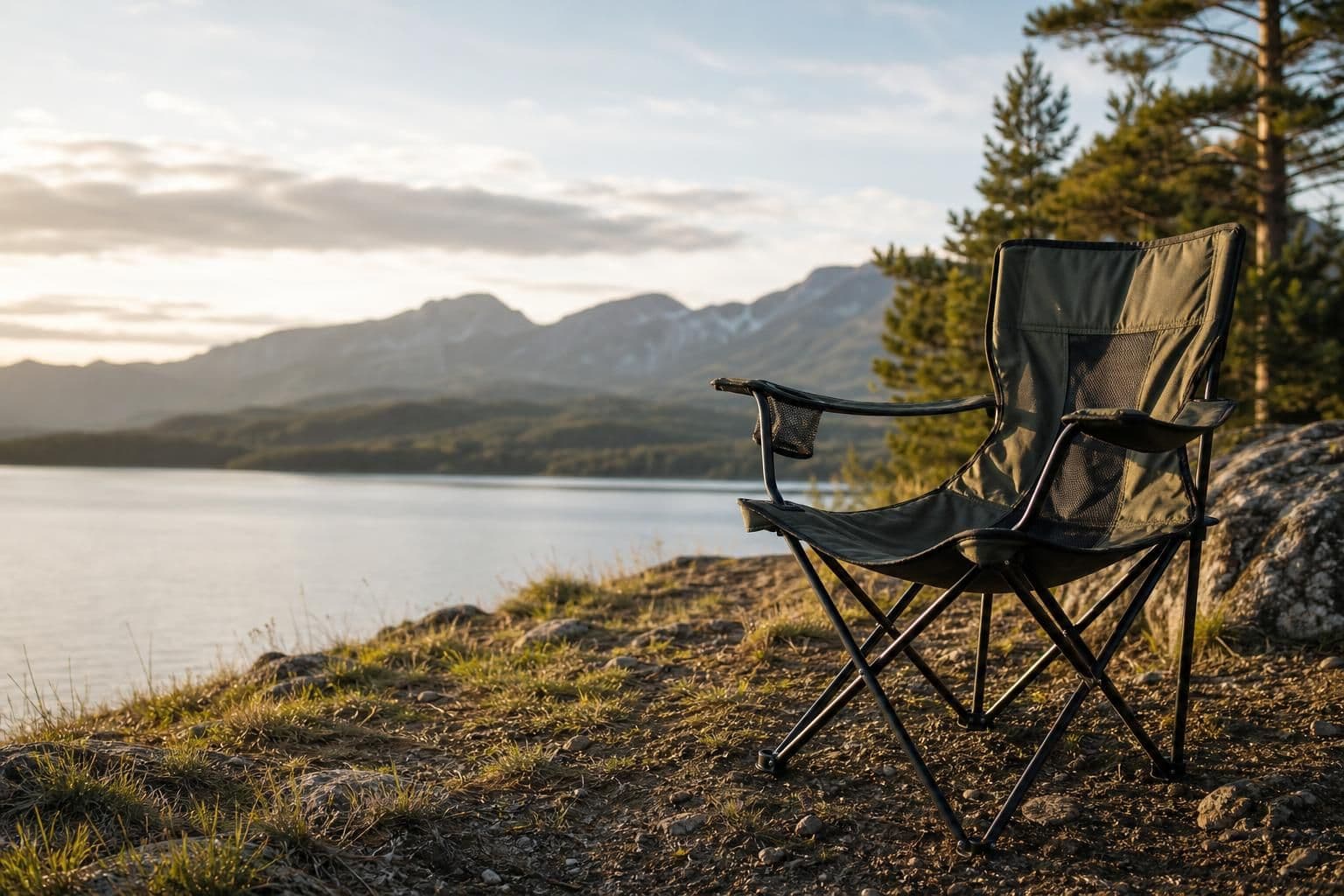
Key takeaway
A good camping chair balances three things: weight capacity that matches your actual body weight plus gear, a frame that folds small enough to fit your trunk or pack, and fabric that resists tearing after repeated setup and breakdown. Most people overspend on features they won't use (like built-in coolers) and underspend on the one thing that matters most — a sturdy frame rated for real-world use, not just the minimum weight on the box.
Key takeaways
- Check the stated weight capacity and subtract about 20% for a safety margin, since manufacturers test under ideal conditions.
- Steel frames last longer under daily use; aluminum frames save pack weight but can flex more over time.
- If trunk space or portability is your main constraint, a compact folding seat often beats a traditional camp chair for quick outings.
What Actually Matters in a Camping Chair
Three specs separate a chair that lasts from one that snaps a leg on trip two: frame material, weight rating, and folded dimensions. Steel tubing resists bending better than aluminum but adds roughly a pound or two to the overall weight. Weight capacity is usually tested in a controlled lab setting, so a chair rated for 300 lbs is more comfortable and durable at 240 lbs of actual use.
Fabric matters more than people expect. Polyester with a denier rating (a measure of thread thickness) above 600D tends to resist punctures from gravel, pine needles, and dog claws better than thinner weaves. If you're buying for family camping trips where a dog comes along, that detail is worth checking before checkout — and if your dog chews on gear left on the ground, it's worth pairing with something more durable than a flimsy toy left lying around, like the options covered in this guide to tougher dog chew toys.
Frame Types, Compared
- Steel tube frames — heaviest option, most resistant to bending, best for basecamp setups where you're not carrying the chair far.
- Aluminum frames — lighter for backpacking or long walks to a site, but repeated stress cycles can loosen joints faster.
- Folding/collapsible seats — compact single-piece designs that prioritize portability over cushioning, ideal for tailgates, stadium seating, or quick car-camping stops.
If your main use case is short trips, festivals, or a backup seat for the trunk rather than week-long basecamp living, a compact option like the Collapsible Seat covers that need without the bulk of a full camp chair.
Weight Capacity: Read the Fine Print
Weight ratings listed by manufacturers are tested under static load in a lab, not dynamic motion like shifting, leaning back, or standing up quickly. The U.S. Consumer Product Safety Commission publishes general guidance on furniture and seating safety standards, and the same logic that applies to indoor furniture — build in a margin below the stated maximum — applies to portable outdoor seating too. A practical rule: pick a chair rated at least 50 lbs above your actual sitting weight (including a jacket, backpack, or anything you'll hold on your lap).
Portability: Folded Size vs. Trunk Space
A chair that's comfortable but doesn't fit your car is a chair you'll stop bringing. Before buying, measure your trunk space or the cargo area you'll actually use, and compare it to the folded dimensions listed on the product page — not just the chair's seated height and width. Compact folding seats that collapse flat or into a small bag are easier to stack alongside a cooler, a tent, or a car sunshade for hot days; pairing portable seating with a foldable windshield sunshade keeps a car-camping setup simple without adding bulk.
Comfort Features Worth Paying For
- Armrests reduce strain on shoulders during long sits, especially around a campfire or at a tailgate.
- Low center of gravity (seat height under 12 inches) improves stability on uneven ground like grass, sand, or gravel.
- Mesh or breathable fabric panels help in warm climates — the National Park Service notes that heat-related illness risk rises with prolonged sun exposure during outdoor recreation, so shaded or breathable seating matters more than people assume on hot-weather trips.
When a Camping Chair Isn't the Right Fit
Not every outdoor seating need requires a full camp chair. If you're after a single seat for sideline sports, a quick picnic, or a trunk backup rather than a dedicated camping setup, a compact folding seat is usually the more practical and affordable choice — it takes up less room and sets up in seconds. For trips where seating is secondary to packing everything else efficiently, it's also worth glancing at how you're organizing gear in the first place; the tips in this gym bag packing guide apply just as well to camping duffels.
Frequently Asked Questions
Q: What weight capacity should a camping chair have?
Pick a chair rated at least 50 lbs above your actual sitting weight, including anything you'll hold or wear while seated. Lab-tested ratings don't always account for shifting or leaning, so a margin protects against premature wear.
Q: Are aluminum or steel frame camping chairs better?
Aluminum frames are lighter and easier to carry but can loosen faster under repeated stress. Steel frames weigh more but hold up better for frequent, heavy use at a basecamp.
Q: How small do camping chairs fold down?
Folded dimensions vary by design, so always check the product page's folded measurements against your actual trunk or storage space rather than assuming "compact" means it fits everywhere.
Q: Is a collapsible seat the same as a camping chair?
Not exactly — a collapsible seat is typically lighter, smaller, and faster to set up, making it better suited to quick outings, while a traditional camping chair usually offers more cushioning and armrests for long sits.
Q: Can camping chairs be used indoors or at events?
Yes, many portable folding chairs and seats work fine for sports sidelines, concerts, or backyard gatherings, as long as the ground surface and weight capacity match your use case.