Best Dog Costume for Halloween: A Sizing-First Buying Guide
Key takeaway
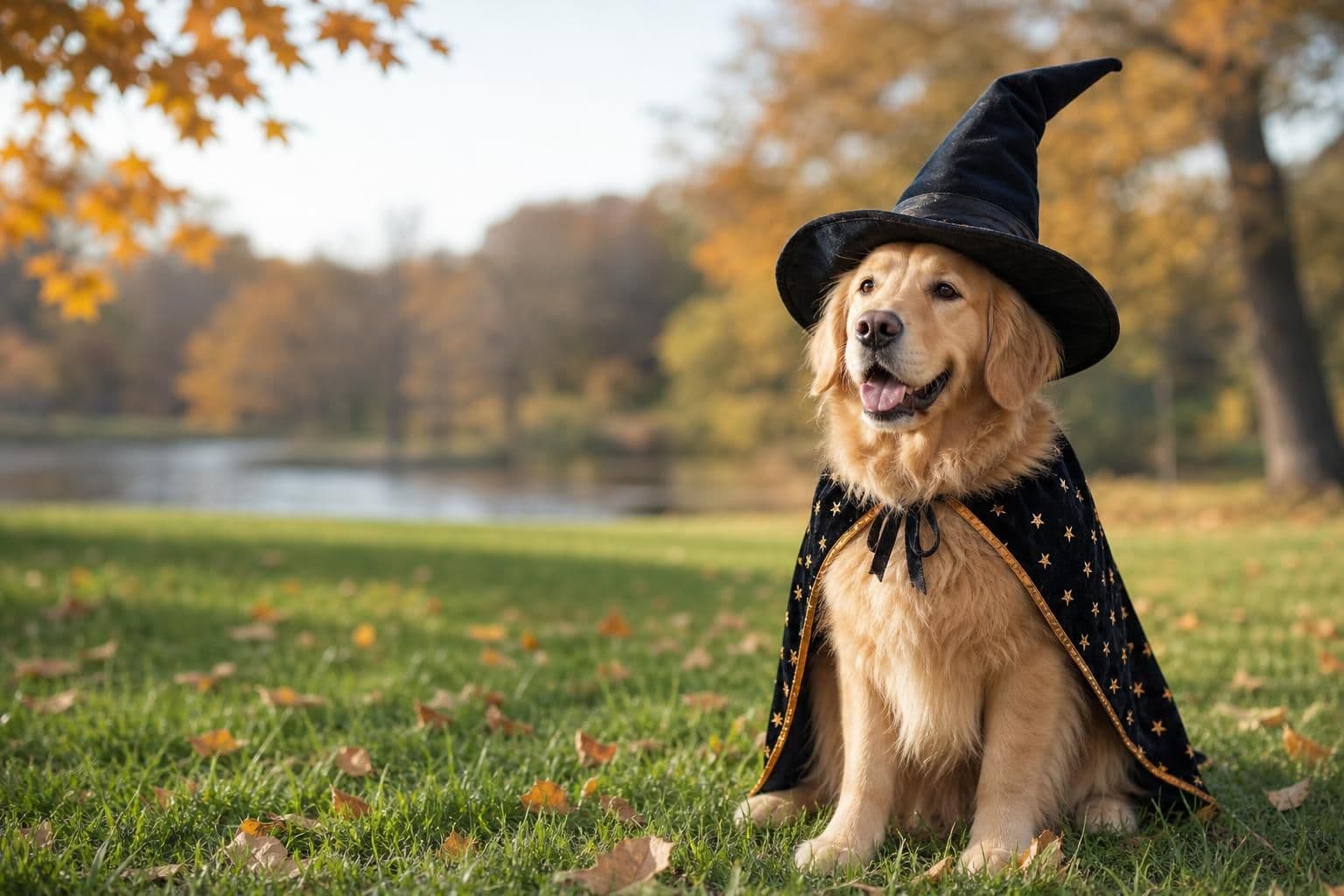
The best dog costume for Halloween is one that fits by actual body measurements (chest girth, neck, and back length), uses breathable fabric with no small dangling parts, and doesn't restrict your dog's vision, hearing, or ability to pant or go potty. A well-fitted hoodie-style costume or simple accessory layer usually beats elaborate full-body suits for comfort, especially for first-time costume wearers. Prioritize fit and safety over how elaborate the design looks in photos.
Key takeaways
- Measure chest, neck, and back length in inches before buying — generic S/M/L labels fit dogs inconsistently across brands.
- Choose costumes without small attachable pieces (buttons, bells, tiny hats) that a dog could chew off and swallow.
- Do a 10-15 minute trial run indoors before Halloween night to check your dog tolerates the costume and can move, see, and breathe normally.
Why Sizing Matters More Than the Design
Most costume returns and refusals come down to a bad fit, not a bad design. A costume that's too tight across the chest restricts breathing and movement; one that's too loose drags, trips your dog, or slips sideways mid-walk. Because sizing varies widely between brands, a "medium" from one company can be two inches smaller than a "medium" from another.
The more reliable approach is measuring three points: chest girth (the widest part behind the front legs), neck circumference, and back length (base of neck to base of tail). Clothing sized this way — in inches rather than vague letters — fits closer to how a tailor would size a garment for a person. If you've ever sized a sweater or dog bandana by feel and ended up with something that slid around, the inch-based method solves that same problem for costumes.
What to Look for in a Safe, Comfortable Costume
A few physical checks matter more than the theme or color:
- Breathable fabric. Cotton or lightweight fleece blends let heat escape; vinyl or heavy synthetic layers trap it.
- No loose small parts. Sequins, bells, miniature hats, or plastic eyes are choking hazards if chewed.
- Open sightlines. Masks, hoods, or anything covering the eyes can make a dog anxious or disoriented.
- Leg freedom. Costumes that wrap around the legs (as some "dragon" or "lion" designs do) can shorten stride and cause a dog to trip.
- Easy bathroom access. A full-body suit with no opening underneath means stopping to undress your dog every time nature calls.
The American Veterinary Medical Association advises checking that any costume doesn't constrict movement, breathing, vision, or hearing, and recommends a trial period before the actual event so you can catch problems early.
Full-Body Suit vs. Simpler Accessory-Based Costumes
Not every dog needs (or tolerates) a full costume. For dogs who dislike being dressed, a themed collar, bandana, or light hoodie with ears attached can deliver the Halloween look with far less stress.
| Costume style | Comfort level | Sizing difficulty | Best for |
|---|---|---|---|
| Full-body suit | Lower — covers legs and torso | Hardest to size right | Calm dogs used to wearing clothes |
| Hoodie + ears/accessory | Moderate-high | Easier with chest/neck/length inches | Most dogs, including first-timers |
| Bandana or scarf costume | High | Simple neck measurement | Dogs who resist clothing |
| Collar-based accessory (pumpkin, bat wings on harness) | High | Minimal, based on existing collar/harness | Dogs with sensitive skin or short coats |
| DIY fabric wrap | Varies | Custom, measure yourself | Budget-conscious owners, odd body shapes |
If your dog has never worn clothing before, starting with a bandana or simple accessory and working up to a full costume over a few days gives them time to adjust rather than forcing a new sensation all at once on the night itself.
Measuring Your Dog in Under Five Minutes
- Neck: Wrap a soft measuring tape around the base of the neck where a collar normally sits; note the inches, then add half an inch for comfort.
- Chest: Measure around the widest part of the ribcage, just behind the front legs.
- Back length: Measure from the base of the neck to the base of the tail along the spine.
Write these three numbers down and compare them directly to the brand's size chart in inches — not to a generic S/M/L label. Clothing on Ziva Paws' clothing collection is sized this way specifically because paw-print charts and letter sizes don't account for the difference between, say, a deep-chested breed and a long-backed one.
A Quick Note From Testing Clothing on Real Pets
Even though Halloween costumes are dog-specific, the same fit principles apply across species. When the site's two resident cats, Ai and Dudu, test hoodies and layered clothing before it's listed, the fit check is identical: chest girth, neck, and length in inches, checked for freedom of movement before anything ships. That cross-species consistency is a useful signal that a sizing method actually works, rather than being guesswork dressed up as a size chart.
Seasonal Comfort Beyond the Costume Itself
Halloween night often means walking in cooler, damp weather. If your dog's costume doesn't cover the paws and you're in a region with cold or wet sidewalks, pairing it with proper paw protection is worth considering — see this guide to choosing dog booties for colder weather if trick-or-treat routes mean extended time outside.
Common Mistakes to Avoid
- Buying based on a photo alone. A costume that looks great on a stock photo dog may be cut for a completely different body shape.
- Skipping the trial run. The ASPCA specifically recommends having pets try on costumes before Halloween so you can rule out chafing, anxiety, or escape attempts.
- Ignoring heat buildup. Layered costumes plus a warm evening (common in southern states) can cause overheating faster than owners expect.
- Leaving a costume on unsupervised. Any costume with elastic, straps, or small attachments should come off once trick-or-treating ends.
Frequently Asked Questions
Q: How do I know what size dog costume to buy?
Measure your dog's neck circumference, chest girth (behind the front legs), and back length (neck to tail base) in inches, then match those numbers to the brand's size chart rather than guessing from an S/M/L label.
Q: Are dog costumes actually safe for pets?
Most are safe if they're breathable, free of small detachable parts, and don't restrict vision, hearing, breathing, or leg movement; a short supervised trial run before Halloween helps catch any issues.
Q: My dog hates wearing clothes — are there lighter Halloween options?
Yes — a themed bandana, scarf, or a festive accessory attached to an existing collar or harness gives a seasonal look without the stress of a full costume.
Q: Can cats wear the same type of costume as dogs?
Cats generally tolerate costumes less well than dogs and need the same inch-based fit (chest, neck, length) plus extra attention to freedom of movement, since restrictive clothing bothers most cats more quickly.
Q: How long can a dog safely wear a Halloween costume?
There's no fixed universal limit, but most owners remove costumes after a couple of hours of activity or sooner if the dog shows signs of overheating, scratching at the fabric, or trying to remove it themselves.