Best Dog Overalls: A Buyer's Fit & Safety Guide
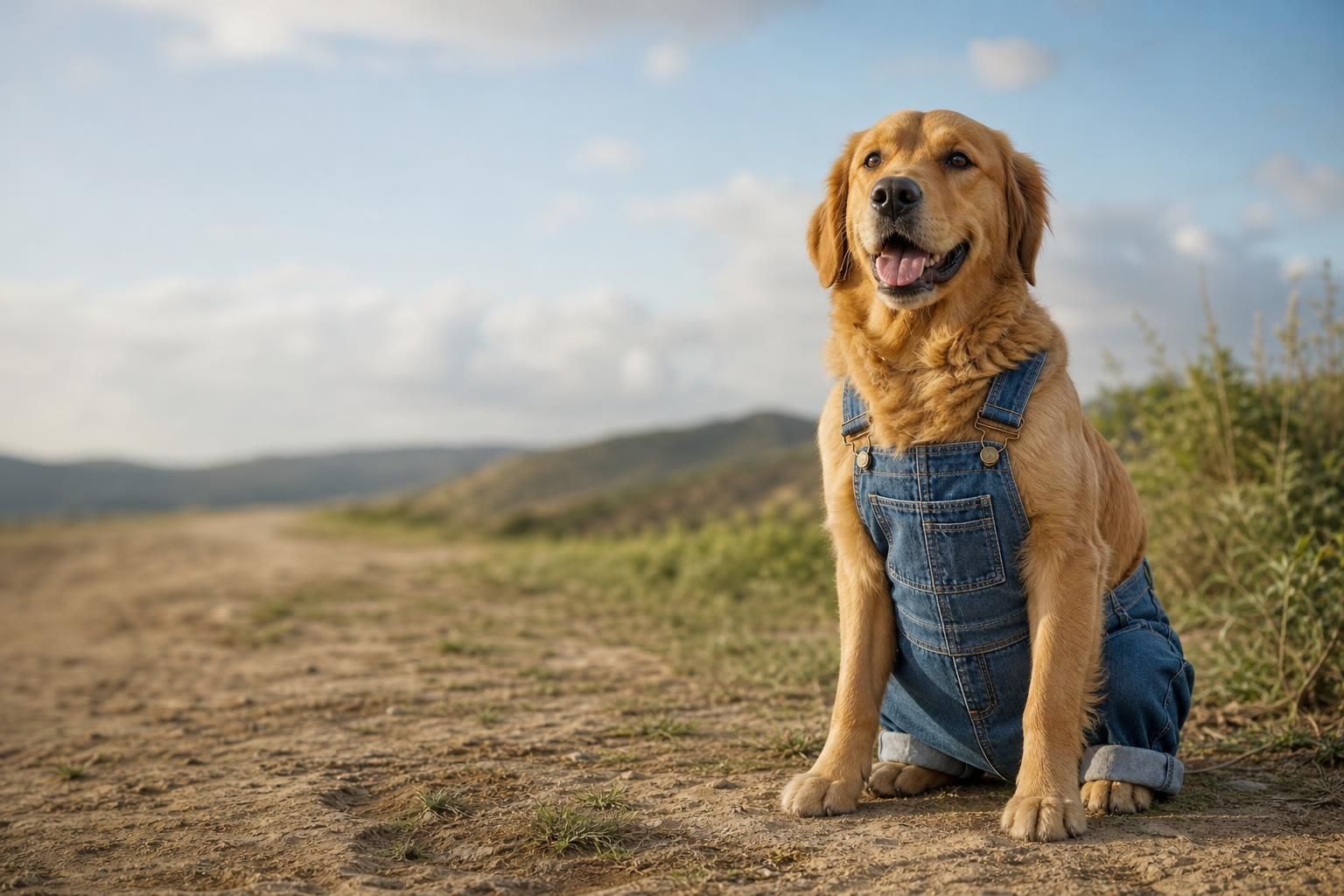
Key takeaway
The best dog overalls fit by actual chest and back-length measurements rather than generic S/M/L labels, use leg openings that don't chafe, and open with snaps or zippers so you're not wrestling a squirmy dog into a onesie. Look for breathable cotton or fleece blends for everyday wear and a four-leg design if your dog needs full coverage for skin conditions or cold weather. Price and cute prints matter less than whether the garment actually stays in place during normal movement.
Key takeaways
- Measure chest, neck, and back length in inches before buying — overalls that rely only on breed or weight guesses often fit wrong.
- Choose snap or zip closures over pull-over designs for dogs who dislike having clothes pulled over their head.
- Four-leg overalls work best for post-surgery coverage, hot-spot protection, or genuine cold-weather layering; two-leg "onesie" styles suit everyday wear.
Why Sizing Matters More Than Style
Most returns on dog apparel happen because of fit, not looks. A chest strap that's too tight can restrict breathing or rub raw spots behind the front legs, while loose overalls bunch up, trip the dog, or slide sideways during a walk. The fix is simple: measure the dog's chest girth (the widest part behind the front legs), neck circumference, and back length from base of neck to base of tail, then match those numbers — in inches — against the brand's actual size chart instead of trusting an S/M/L tag. Ziva Paws lists every clothing item with these three inch measurements for exactly this reason, since a "medium" label means something different for a dachshund than for a corgi. If your dog is a French Bulldog or another brachycephalic breed, fit around the chest and neck gets even more critical because loose collars and tight chest bands both interfere with already-compromised breathing — our sizing guide for French Bulldog clothing walks through the measuring steps in more detail.
What Makes a Pair of Overalls "Good"
A well-made pair of dog overalls should check off a short list of practical features rather than just look good in a photo:
- Adjustable straps so you can fine-tune fit as the dog gains or loses weight seasonally.
- Reinforced stitching at the leg openings and crotch, the two spots that take the most stress.
- Breathable fabric — cotton or cotton-blend for warm climates, fleece-lined for cold ones.
- Easy-access closures (snaps, zippers, or hook-and-loop) along the back or belly for bathroom breaks without a full undress.
- A back-length match, not just chest size, since overalls that are too long drag on the ground and too short leave the lower back exposed.
Ai and Dudu — the two cats who test products before they're listed on Ziva Paws — aren't dogs, obviously, but the same closure-and-seam logic applies across the clothing line: anything that snags fur or needs force to put on gets flagged before it's sold.
Two-Leg vs. Four-Leg Overalls
Not all "dog overalls" cover the same amount of dog. Two-leg styles are really a bib-front onesie that covers the chest and back, while four-leg overalls enclose all four limbs like a jumpsuit. The right choice depends on why you want overalls in the first place.
| Style | Best for | Coverage | Watch out for |
|---|---|---|---|
| Two-leg (bib) overalls | Everyday wear, layering under a coat | Chest, back, belly | Can gap at the sides on deep-chested breeds |
| Four-leg (full jumpsuit) | Cold weather, post-surgery, skin protection | Full torso + all four legs | Needs careful leg-hole sizing to avoid chafing |
| Fleece-lined overalls | Winter walks, senior dogs | Chest, back, belly, light leg coverage | Can overheat indoors if left on too long |
| Cotton/denim overalls | Mild weather, everyday "cute factor" | Chest, back | Minimal warmth, not a cold-weather solution |
If your dog also needs a true winter layer rather than just overalls, a trench coat built for proper coverage is worth comparing against a fleece-lined overall for genuinely cold climates, since coats often seal around the neck and chest better than a bib-style garment.
Fabric and Safety Considerations
Dogs chew, dig, and roll, so fabric choice isn't purely cosmetic. Avoid garments with loose decorative buttons, dangling charms, or anything a dog could tear off and swallow — the U.S. Food and Drug Administration and veterinary toxicology sources both note that small ingested non-food objects are a common cause of emergency vet visits in dogs. Stick to flat snaps or bar-tacked buttons, and check the inside seams for exposed thread ends that could be chewed loose. For dogs who already have skin sensitivities, a hypoallergenic cotton blend is generally safer than synthetic fleece, which can trap heat and moisture against irritated skin.
When to Size Up or Down
Overalls aren't just about today's measurements — growing puppies, senior dogs with changing body shape, and seasonal weight shifts all affect fit over time. A good rule: if your dog is between two chart sizes, size up on chest and neck but keep back length matched to the current body, since a slightly looser chest is more forgiving than a too-tight one, while excess back length drags and gets stepped on. Puppies in particular change shape fast; if you're outfitting a young dog, our puppy bed sizing and safety guide covers the same inch-based logic applied to bedding, which is useful background if you're new to measuring pets for products generally.
How to Measure Your Dog at Home
- Stand your dog in a natural position (not sitting or stretching).
- Wrap a soft measuring tape around the chest, just behind the front legs, and note the number in inches.
- Measure neck circumference where a collar would normally sit.
- Measure from the base of the neck (where a collar sits) to the base of the tail for back length.
- Compare all three numbers to the brand's chart — not just one measurement — before choosing a size.
This three-point method is the same one reputable pet apparel sizing charts recommend, and it's far more reliable than ordering by breed name alone, since body shape varies enormously even within a single breed.
Frequently Asked Questions
Q: What size overalls does my dog need?
Measure chest girth, neck circumference, and back length in inches, then match all three numbers to the retailer's size chart rather than relying on breed or weight alone, since body shapes vary widely even within one breed.
Q: Are overalls better than a dog coat for winter?
Four-leg fleece-lined overalls give fuller body coverage than most coats, but a well-fitted coat often seals better around the neck and chest for serious cold; choose based on your climate and how much leg coverage your dog actually needs.
Q: Can my dog wear overalls all day?
Short stretches for walks or outdoor time are fine, but fleece-lined or tight-fitting overalls left on indoors for hours can cause overheating or skin irritation, so remove them once your dog is back in a temperature-controlled space.
Q: Do overalls help after surgery or with skin conditions?
Full four-leg overalls can protect healing incisions or hot spots from licking and scratching, but always confirm with your veterinarian that the garment doesn't rub directly against the affected area.
Q: How do I stop my dog from chewing or pulling at new clothes?
Introduce new garments gradually with short wear sessions and positive reinforcement; dogs that fixate on fabric often respond well to a distraction toy during the first few wears, similar to redirecting a dog that normally chews on furniture.