How Do I Know If My Dog Is Cold? Signs to Watch For
Key takeaway
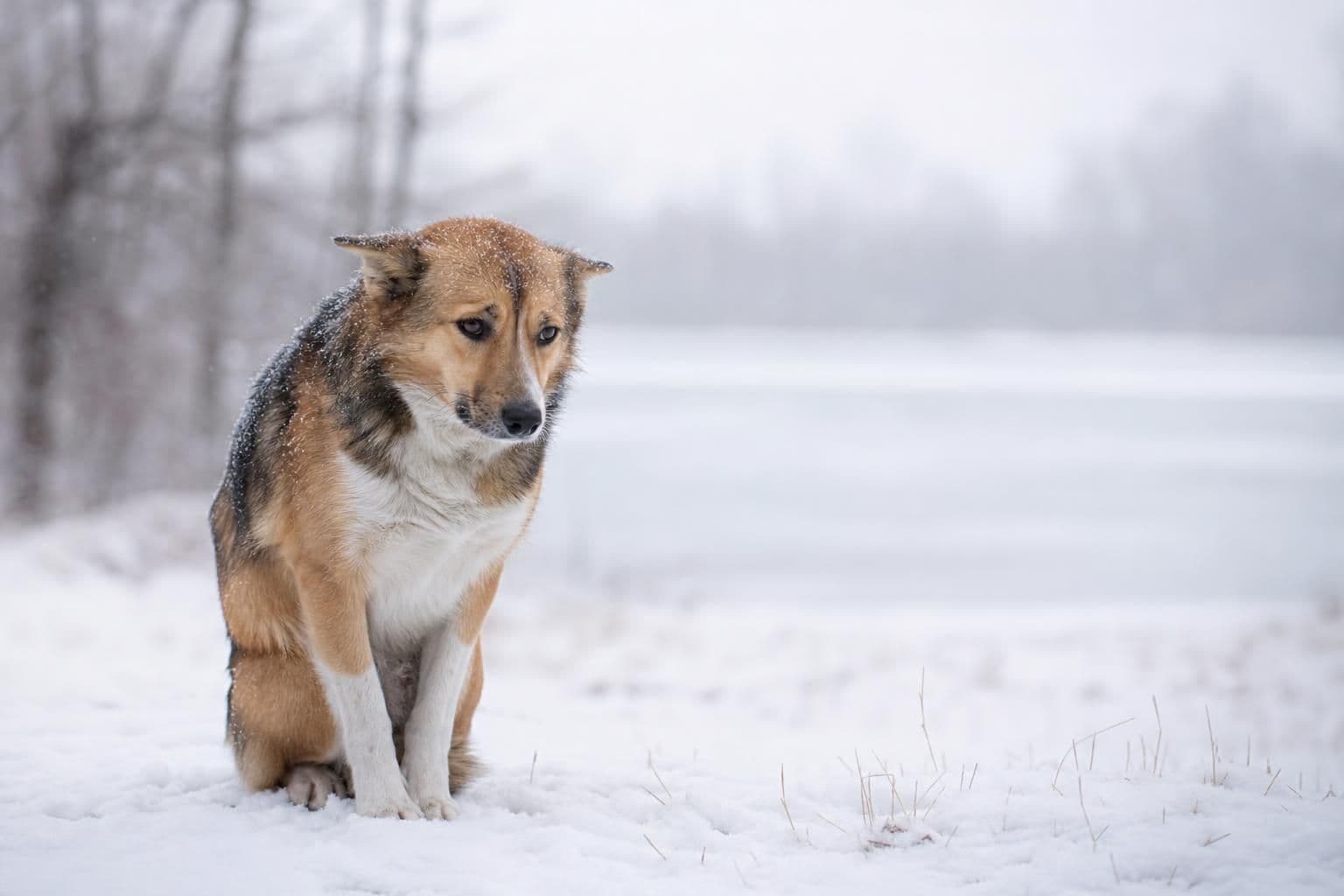
A cold dog will usually shiver, tuck its tail, hunch its back, lift its paws off the ground repeatedly, or try to turn back toward the door. Small dogs, short-haired breeds, puppies, and senior dogs feel cold faster than large or double-coated breeds, so the same 30°F walk can be fine for one dog and risky for another. If you notice these signs, the fix is usually simple: shorten the outing, add a layer, or bring your dog inside to warm up.
Key takeaways
- Shivering, tucked tail, hunched posture, and lifted paws are the clearest signs a dog is cold.
- Small, short-coated, senior, and very young dogs lose body heat faster and need extra protection sooner.
- A properly fitted coat (measured in inches, not just S/M/L) traps body heat far better than one that's loose or too tight.
Physical Signs a Dog Is Getting Too Cold
Cold discomfort shows up in the body before it shows up in behavior. Watch for:
- Shivering or trembling — the first and most obvious sign, caused by muscles contracting to generate heat.
- Tucked tail and hunched back — the dog is trying to shrink its exposed surface area.
- Lifted or alternating paws — cold pavement or snow stings paw pads, so the dog lifts them one at a time.
- Cold ears or a cold-feeling belly — thin-furred areas lose heat fastest and are a quick hands-on check.
- Seeking body contact — pressing against your leg or another pet is a heat-sharing behavior.
Dogs with a body condition that's already lean have less insulating fat, so they'll show these signs earlier than a stockier dog in the same weather.
Behavior Changes That Signal Discomfort
Beyond the physical cues, cold dogs often change how they act outside. A dog that normally sniffs and wanders may instead walk stiffly, whine, try to turn back toward home, or refuse to keep moving altogether. Some dogs will lift a paw and hold it up rather than just shifting weight — that's a stronger signal than casual paw-lifting and means the ground itself is too cold for bare pads. If a normally playful dog suddenly wants to be picked up or carried, treat that as a request to go inside, not stubbornness.
Which Dogs Get Cold Fastest
Cold tolerance varies enormously by breed, size, age, and coat type. According to the American Veterinary Medical Association, dogs with thin coats, small body mass, or health conditions like arthritis or hormonal imbalances are at higher risk of cold-related stress, and puppies and senior dogs regulate body temperature less efficiently than healthy adults.
Practical risk factors to weigh before a winter walk:
- Coat type: single-coated breeds (Greyhounds, Chihuahuas, Boston Terriers) chill faster than double-coated breeds (Huskies, Malamutes).
- Size: small dogs have more skin surface relative to body mass, so they lose heat proportionally faster.
- Age: puppies and senior dogs have less efficient thermoregulation.
- Health status: thyroid issues, kidney disease, and arthritis can all lower cold tolerance.
If your dog fits several of these categories, a daily walk in freezing temperatures is a different experience for them than it is for a thick-coated adult Lab.
Temperature Guidelines Worth Knowing
There's no single "safe" number that applies to every dog, but general guidance from veterinary and animal welfare sources is useful as a starting point. The RSPCA notes that once temperatures drop toward freezing, owners should shorten walk times and watch smaller or thin-coated dogs closely for shivering or reluctance to walk. Wind chill matters as much as the air temperature reading — a windy 35°F day can feel far colder against exposed skin than a still 25°F day, which is why the National Weather Service publishes wind chill charts for both people and outdoor pets.
What to Do When Your Dog Is Cold
- Bring them inside and let them warm up gradually rather than applying direct heat sources like heating pads, which can cause burns.
- Dry wet fur immediately — wet coats lose insulating value fast, so a towel-dry after snow or rain matters as much as the temperature itself.
- Add a layer for future outings. A coat that fits well traps body heat close to the skin instead of letting cold air in through gaps at the neck or belly. Because "small" and "medium" mean different things across brands, checking a chest, neck, and back-length measurement in inches — rather than relying on a generic size label — makes a real difference in how much warmth a coat actually provides. Ziva Paws sizes all of its clothing this way for exactly that reason. If you're shopping for cold-weather options, our guide to winter coats with a hood walks through what to look for beyond just warmth.
- Protect paws on salted or icy sidewalks, since ice-melt chemicals and cold pavement both irritate paw pads.
- Keep bedding off cold floors. A raised or well-padded bed keeps a dog off drafty tile or concrete, which matters more in winter than most owners expect.
For dogs that get soaked before they get cold — during winter rain or slush — a properly fitted raincoat built for larger breeds can prevent the double problem of wet fur plus wind chill.
Sizing a Coat Correctly
A cold-weather coat only works if it actually seals in body heat, and that comes down to fit, not fabric weight alone. Measure your dog's neck circumference, chest girth (the widest part behind the front legs), and back length from the base of the neck to the base of the tail. If you're new to online sizing charts and want a general walkthrough before you buy, our buyer's guide to shopping for dog clothes online covers how to take those three measurements at home so you're not guessing between sizes.
Frequently Asked Questions
Q: What temperature is too cold for a dog to be outside?
There's no universal cutoff, but most small, short-coated, senior, or young dogs start showing discomfort once temperatures drop into the 30s°F (around 0-4°C), especially with wind. Large double-coated breeds tolerate colder temperatures for longer, but all dogs should be watched for shivering or reluctance to walk regardless of the thermometer reading.
Q: Do dogs need coats in winter?
Dogs with thin coats, low body fat, or small body size often benefit from a coat during cold walks, since it helps retain body heat that would otherwise escape quickly through exposed skin. Double-coated, cold-hardy breeds generally need less added insulation but can still benefit from paw and belly protection on wet or icy days.
Q: Can dogs get hypothermia?
Yes. Prolonged exposure to cold, especially when wet or windy, can lower a dog's core body temperature to dangerous levels, with symptoms including intense shivering, lethargy, and eventually weakness or collapse. Any dog showing these signs should be warmed and taken to a veterinarian promptly.
Q: Why does my dog shiver even indoors?
Shivering indoors can mean the house is genuinely cold for that dog's coat type and size, but it can also signal stress, pain, or illness unrelated to temperature. If shivering happens in a warm room, it's worth mentioning to a veterinarian rather than assuming it's cold-related.
Q: How can I tell if my dog's paws are too cold on a walk?
Watch for repeated paw-lifting, limping, or a sudden refusal to keep walking, which often means the ground temperature is uncomfortable or salt/ice is irritating the pads. Booties or a shorter walk on grass instead of pavement can help on very cold or icy days.