Why Does My Dog Have Bad Breath?
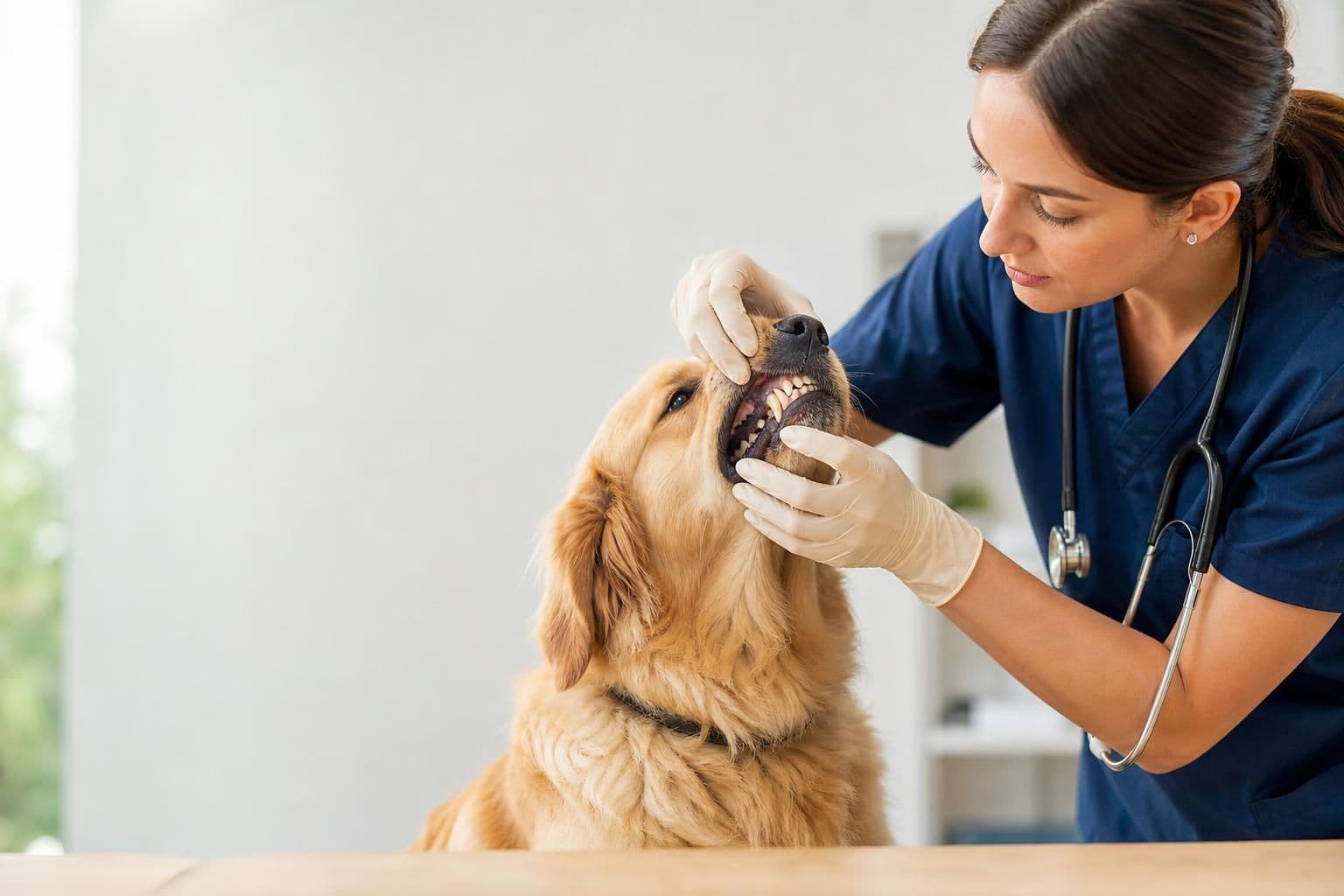
Key takeaway
Most dog bad breath comes from bacteria building up on plaque and tartar along the gumline, the same process that causes gum disease in people. Less often, persistent bad breath signals something deeper — a foreign object stuck in the mouth, a cracked tooth, or a systemic issue like kidney disease or diabetes that changes the smell of the breath itself. A quick way to narrow it down: everyday "dog breath" is mild and consistent, while a sudden change or a very specific odor (ammonia, sweet, metallic) is worth a vet visit.
Key takeaways
- Plaque and early periodontal disease are the leading cause of bad breath in dogs, and they're largely preventable with regular brushing.
- An ammonia-like smell can point to kidney problems; a sweet or fruity odor can point to diabetes — both warrant a vet check, not just a breath mint.
- Daily or near-daily toothbrushing, dental chews, and the right chew toys do more for breath than water additives alone.
Common Causes of Bad Breath in Dogs
Dental Plaque and Periodontal Disease
Bacteria colonize the surface of a dog's teeth within hours of eating, forming a sticky film called plaque. If it isn't removed, it hardens into tartar within a few days, and tartar below the gumline irritates tissue and causes the bacterial overgrowth responsible for most "dog breath" complaints. According to the American Veterinary Dental College, periodontal disease is one of the most frequently diagnosed conditions in dogs and cats by the time they reach adulthood, which is why breath odor is often the first visible symptom owners notice before any pain is obvious.
Diet, Chewing Habits, and Digestive Upset
What a dog eats and how it eats can affect breath more than owners expect. Dogs that gulp food, scavenge, or eat something unusual outdoors can develop a sour or grassy smell tied to mild stomach upset rather than the mouth itself — this is part of why some dogs eat grass when their stomach feels off, and the behavior can coincide with temporary breath changes. Soft, sticky foods also cling to teeth longer than dry kibble or raw chew textures, giving bacteria more to work with between brushings.
Foreign Objects and Oral Injuries
A piece of stick, bone splinter, or plant matter wedged between teeth or under the tongue can rot in place and produce a sharp, localized odor that's stronger than typical plaque breath. Broken teeth and oral tumors can do the same, often with visible drooling, pawing at the mouth, or reluctance to chew on one side.
Underlying Health Conditions
Breath odor is sometimes the body's way of signaling a problem that has nothing to do with the mouth. The American Animal Hospital Association notes that kidney disease can produce a distinct ammonia or urine-like breath odor because the kidneys aren't filtering waste products efficiently, while uncontrolled diabetes can cause a sweet or fruity smell from excess ketones. Liver disease has also been associated with a notably foul, almost rotten odor in more advanced cases.
How to Tell If Bad Breath Is Something to Worry About
Mild, consistent breath that's present every day but doesn't get worse is usually just routine plaque buildup. Watch for these signs that point to something more serious:
- Breath odor that changes suddenly or gets noticeably worse over a week or two
- Visible redness, swelling, or bleeding along the gums
- Drooling more than usual, or pawing at the face and mouth
- Loss of appetite, increased thirst, or noticeable weight loss alongside the odor
- A specific ammonia, metallic, or sweet smell rather than generic "dog breath"
Home Care Steps That Actually Help
Daily toothbrushing with a dog-safe enzymatic toothpaste remains the single most effective habit for controlling plaque, since mechanical removal is what breaks up the bacterial film that brushing-free solutions can't fully reach. Dental chews and appropriately sized chew toys add a mechanical scraping action as a dog gnaws, which is one reason safe, durable chew toys are worth rotating into regular playtime rather than treating them as an occasional extra — Ai and Dudu, the two cats who test products before Ziva Paws lists them, have made it clear that anything meant for daily chewing needs to hold up to real, repeated use, and the same logic applies when choosing chew-friendly toys for dogs. Keeping feeding bowls and water dishes genuinely clean matters too, since bacteria from residue can recontaminate a mouth right after brushing; a stainless or slow-feeder bowl from the feeding collection is easier to sanitize thoroughly than textured plastic. Fresh, regularly changed water also matters for oral bacteria levels — dogs that only want water from the toilet instead of their bowl may be reacting to stale or stagnant water in their dish, and stale water can itself harbor bacteria that affects breath over time.
Regular at-home grooming sessions are also a natural moment to check a dog's mouth, gums, and teeth without a separate routine — a grooming towel or brush session from the grooming collection gives an easy weekly checkpoint to look inside the mouth while already handling the face and head.
When to See a Veterinarian
Bad breath that persists despite regular brushing, or that's accompanied by bleeding gums, loose teeth, facial swelling, or a change in appetite, should be evaluated by a vet rather than managed at home indefinitely. A professional dental exam can identify tartar below the gumline that isn't visible on casual inspection, and bloodwork can rule out kidney or liver involvement if the odor doesn't match typical dental causes. The American Veterinary Medical Association recommends regular veterinary dental checkups as part of routine preventive care, since periodontal disease that goes untreated can eventually affect a dog's overall health beyond just the mouth.
Frequently Asked Questions
Q: Is bad breath normal in dogs, or is it always a problem?
Mild breath odor is common and not automatically a red flag, but strong, worsening, or unusual-smelling breath usually points to plaque buildup, gum disease, or an underlying health issue that's worth checking.
Q: What does it mean if my dog's breath smells like ammonia?
An ammonia or urine-like smell can be associated with kidney disease, since the kidneys may not be filtering waste products as efficiently as they should; this warrants a veterinary evaluation rather than at-home treatment alone.
Q: Can brushing my dog's teeth actually fix bad breath?
Regular brushing removes the plaque that harbors odor-causing bacteria and is one of the most effective ways to reduce breath odor over time, though existing tartar below the gumline may still need a professional dental cleaning.
Q: Why does my dog's breath suddenly smell worse than usual?
A sudden change can indicate a new issue such as a cracked tooth, something lodged in the mouth, or a developing infection, and it's different from the gradual, mild odor of everyday plaque — it's worth a closer look or a vet visit.
Q: Do dental chews replace brushing?
Dental chews help scrape away some plaque through mechanical chewing, but they work best as a supplement to brushing rather than a full replacement, since brushing reaches areas chewing alone may miss.