Why Does My Dog Refuse to Eat? Common Causes
Key takeaway
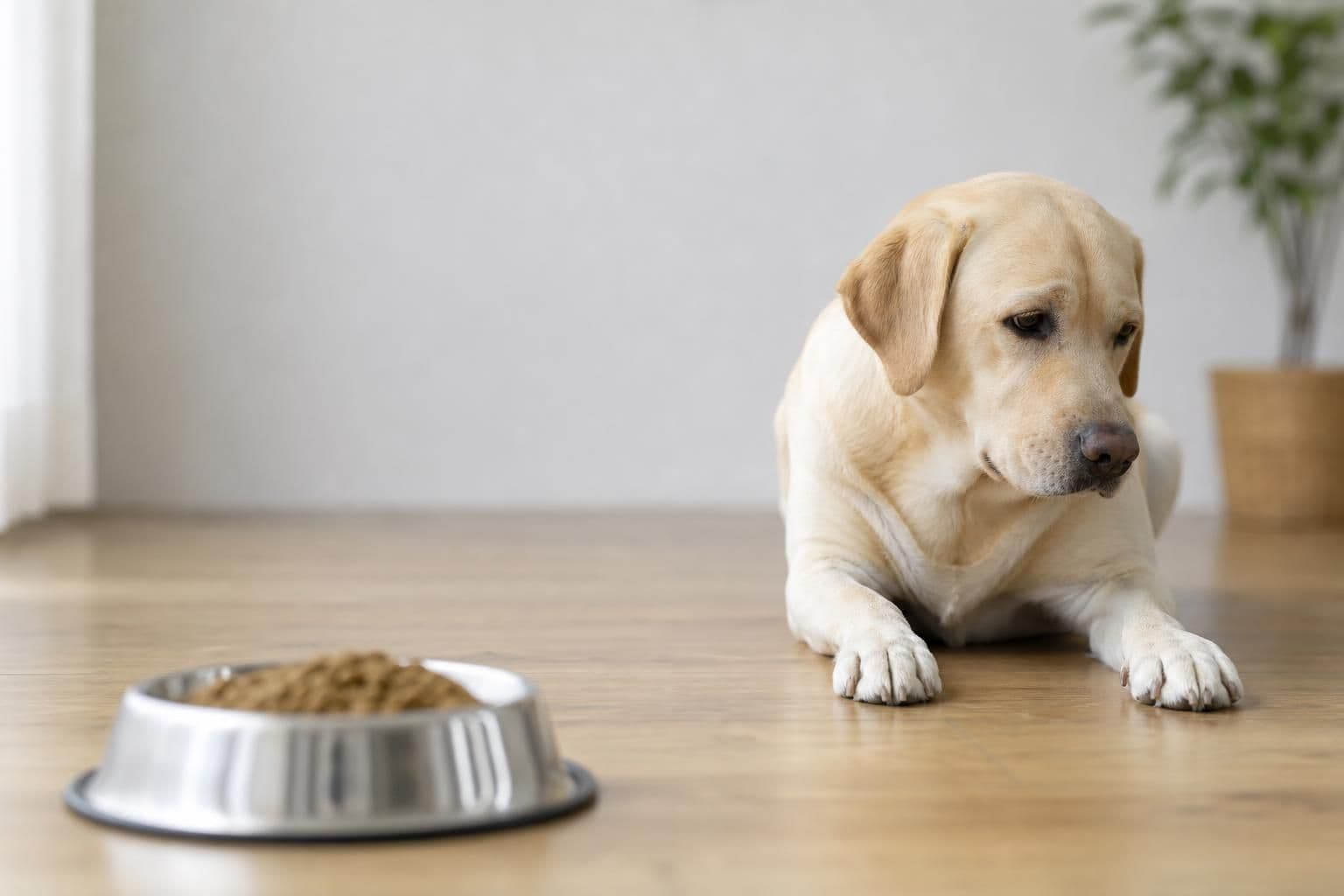
A dog refuses to eat for one of three broad reasons: an underlying medical problem (dental pain, nausea, illness), a behavioral or environmental issue (stress, new food, bowl placement), or simple pickiness reinforced by too many treats or table scraps. Skipping one meal with normal energy and water intake is usually not an emergency, but refusing food for more than 24 hours, or any refusal paired with vomiting, lethargy, or diarrhea, warrants a same-day call to a veterinarian.
Key takeaways
- Missing one meal while acting normal is usually not urgent; 24+ hours without food, or any vomiting/lethargy alongside it, needs vet attention.
- Dental pain, nausea, and stress are the three most common hidden causes — check the mouth and recent routine changes first.
- Switch foods gradually over 5-7 days and keep feeding areas calm and low-traffic to rule out easy fixes before assuming a medical issue.
Medical Reasons a Dog Won't Eat
Pain is the most overlooked cause of appetite loss. Dental disease — cracked teeth, abscesses, or advanced gum infection — makes chewing painful enough that a dog will walk away from even a favorite food. The American Veterinary Medical Association notes that dental disease is one of the most commonly diagnosed conditions in dogs, and it often goes unnoticed until a pet stops eating or eats only on one side of the mouth.
Nausea from gastrointestinal upset, kidney or liver issues, or a reaction to medication can also suppress appetite. Dogs experiencing nausea often lick their lips repeatedly, drool, or approach the bowl and then back away. Fever, pain from an injury, or recovery from a recent procedure can do the same — this is part of why dogs who dislike wearing a post-surgery recovery cone sometimes eat less during the healing period, since discomfort and restricted movement both dampen interest in food.
Behavioral and Environmental Triggers
Dogs are sensitive to disruption, and a change in routine can shut down appetite just as effectively as illness. Common triggers include:
- A recent move, new pet, or houseguest changing the home's normal activity
- Loud noises nearby (construction, fireworks, storms) right before mealtime
- A new feeding bowl, location, or feeding schedule introduced too abruptly
- Separation anxiety when left alone, especially in younger or recently adopted dogs
- Competition with another pet at a shared feeding station
Dogs that are naturally more anxious tend to show food refusal alongside other stress signals like pacing, hiding, or excessive barking when left alone — the same underlying anxiety often shows up in nighttime barking as well. If a stressed dog also seems uncomfortable resting afterward, a quiet, enclosed bed can help; Ziva Paws' bedding and nest options are the kind of low-walled, enclosed designs that give anxious dogs a defined safe space away from the feeding area.
Food-Related Causes
Sometimes the food itself is the problem, not the dog's health or mood.
- Abrupt diet change: Switching brands or flavors overnight can cause a dog to reject the new food outright or develop stomach upset that then suppresses appetite further. The ASPCA recommends transitioning gradually, mixing increasing amounts of new food with the old over about a week.
- Spoiled or low-quality food: Kibble left out too long in humid weather, or wet food past its best stability, can develop an off smell dogs detect long before a person would.
- Picky eating from inconsistent feeding: Dogs who regularly receive table scraps or frequent treats may hold out for something better than their regular meal — this is learned behavior, not illness.
- Bowl material or fit issues: Some dogs develop sensitivity to plastic bowls (sometimes mistaken for "picky eating") or struggle with bowls that are too deep for their snout shape, causing them to paw at food instead of eating normally. A wide, shallow slow feeder or a stainless steel bowl from Ziva Paws' feeding collection addresses both the material-sensitivity and depth issues at once.
How Long Is Too Long to Skip Meals?
A healthy adult dog can typically go without food for a day without serious harm, but puppies, senior dogs, diabetic dogs, and small toy breeds are more vulnerable to blood sugar drops and should be seen sooner — often within 12 hours of refusing food. Watch for these warning signs that turn a skipped meal into an urgent issue:
- Vomiting or diarrhea alongside the food refusal
- Visible lethargy, weakness, or stumbling
- Bloated or tender abdomen
- Refusing water as well as food
- Known ingestion of a toxic substance, foreign object, or spoiled food
If any of these appear, the Centers for Disease Control and Prevention and most veterinary guidance agree this crosses from "wait and watch" into "call a vet today."
What to Check and Try at Home
Before assuming the worst, a few simple checks can narrow down the cause:
- Open the mouth gently and look for redness, broken teeth, or bad odor.
- Note whether water intake is normal — appetite loss with normal thirst points more toward pain or stress than systemic illness.
- Move the bowl to a quiet corner away from foot traffic or other pets.
- Offer the same food slightly warmed (for wet food) to increase aroma, since smell drives much of a dog's interest in eating.
- Resist adding extra treats or toppers during the standoff, since this can accidentally train pickier eating going forward.
Ai and Dudu, the two resident cats who test products for Ziva Paws, have shown the team firsthand how much bowl shape and feeding location affect whether a pet actually finishes a meal — a wobbly or overly deep dish will get nudged away from a wall and abandoned halfway through, even when the food itself is fine.
Fit and Comfort Factors Worth Ruling Out
Physical discomfort from clothing or accessories can occasionally suppress appetite indirectly by making a dog generally unsettled. A collar that's too tight across the neck, for example, can cause enough low-grade discomfort that a dog eats less and seems withdrawn overall. This is part of why accurate, inch-based measurements — chest, neck, and back length — matter more than generic S/M/L labels when choosing clothing or collars: a properly fitted item should never pinch or restrict movement at the neck or shoulders enough to affect normal behavior like eating or playing.
Frequently Asked Questions
Q: Is it normal for a dog to skip one meal?
Yes, an otherwise healthy adult dog that skips one meal but drinks water normally and acts energetic is usually fine and often starts eating again at the next meal. If the dog is a puppy, senior, or has a known health condition, check with a vet sooner rather than waiting.
Q: Can stress alone make a dog stop eating?
Yes. Changes like a move, a new pet, loud noises, or separation anxiety can suppress appetite even when there's no physical illness, and the appetite usually returns once the dog adjusts or the stressor is removed.
Q: Should I switch foods if my dog refuses to eat?
Not immediately — first rule out pain, illness, and environmental stress, since switching food during a health issue can mask symptoms or add further stomach upset. If a diet change is needed, transition gradually over about a week by mixing old and new food.
Q: When should I take my dog to the vet for not eating?
See a vet the same day if food refusal lasts more than 24 hours, or sooner if it's paired with vomiting, diarrhea, lethargy, or a swollen abdomen. Puppies, senior dogs, and diabetic dogs should be checked even sooner, often within 12 hours.
Q: Does bowl type affect whether a dog eats well?
Yes — bowls that are too deep, too narrow, or made of a material a dog is sensitive to can discourage normal eating even when the food itself is appealing. A wide, shallow, stable bowl often resolves what looks like pickiness but is really a fit problem.