Why Is My Cat Hiding? Causes and What to Do
Key takeaway
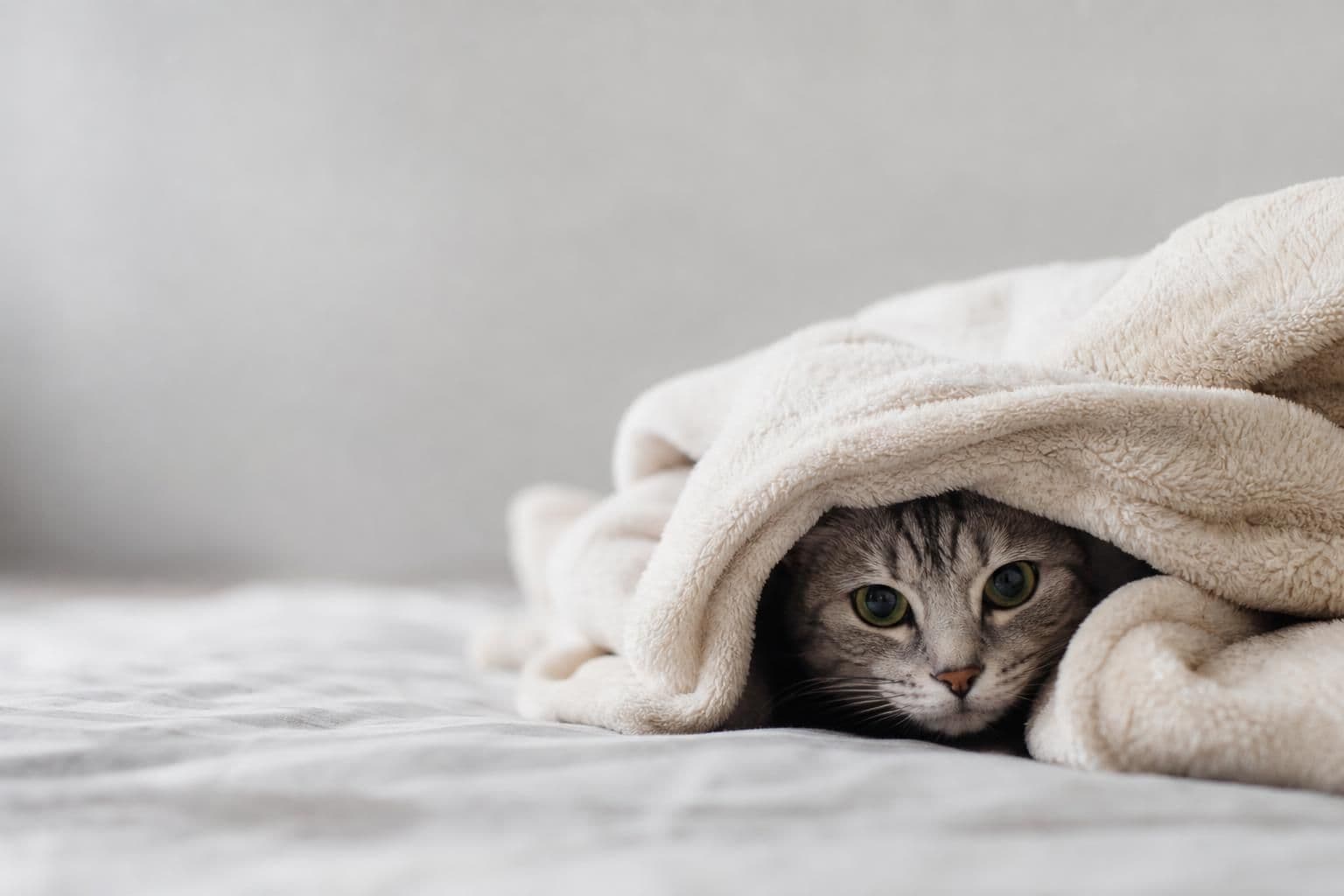
Cats hide most often because they feel unsafe, unwell, or overstimulated — hiding is a built-in survival instinct, not a sign of being "dramatic" or spiteful. A cat that suddenly hides more than usual, especially if it stops eating, grooming, or using the litter box normally, may be in pain or sick and should see a veterinarian promptly. Occasional hiding after a loud noise, new visitor, or household change is normal and usually resolves on its own within a day or two.
Key takeaways
- New hiding paired with loss of appetite, vomiting, or litter box changes warrants a vet visit within 24 hours, not a wait-and-see approach.
- Situational hiding (guests, moving furniture, a vacuum cleaner) typically fades within 24–48 hours once the trigger is gone.
- Giving cats a dedicated hiding spot — a covered bed, box, or elevated perch — actually reduces stress rather than encouraging avoidance.
It's a Survival Instinct, Not Bad Behavior
Cats are both predator and prey in the wild, and concealment is one of their main defense strategies against larger threats. Domestic cats retain this instinct fully; a sudden noise, an unfamiliar scent, or even a shift in furniture layout can trigger the same response that would help a wild cat avoid a predator. The ASPCA notes that stress-related hiding is one of the most common behavioral responses cats display when their environment changes. This is why punishing or forcing a cat out of hiding almost always backfires — it confirms to the cat that the environment really is unsafe.
Common Triggers Behind Hiding
Most hiding falls into one of a few categories:
- Environmental change — new furniture, a recent move, renovation noise, or a different litter box location.
- New people or animals — house guests, a new baby, or a newly adopted pet.
- Loud or unfamiliar sounds — thunderstorms, fireworks, construction, vacuum cleaners.
- Illness or pain — cats instinctively hide weakness, since appearing vulnerable is risky in the wild.
- Changes in routine — a different feeding schedule, owner's new work hours, or travel.
If you can pinpoint a specific event that lines up with when the hiding started, it's usually situational rather than medical.
When Hiding Signals a Medical Problem
Pain, nausea, urinary blockages, and infections are frequent medical reasons for hiding, and cats are notorious for masking symptoms until a condition is advanced. According to Cornell University's Feline Health Center, changes in hiding behavior combined with decreased appetite or litter box avoidance are among the earliest observable signs of illness in cats, since cats rarely vocalize pain directly. Watch for these accompanying red flags:
- Not eating or drinking for more than 24 hours
- Straining in the litter box or urinating outside it
- Vomiting more than once or showing lethargy
- Labored breathing or hiding in an unusual, awkward posture
- Noticeable weight loss over a short period
Any combination of these with hiding is a reason to call a vet the same day, not after a few days of observation.
Stress, Anxiety, and the Multi-Cat Household
In homes with more than one cat, hiding can also reflect social tension — one cat avoiding another, resource guarding over food or litter boxes, or simple territorial overlap. This is distinct from the curiosity-driven preference some cats show for boxes over their beds, which is more about enclosed security than fear. If hiding is paired with hissing, swatting, or blocking access to shared spaces, it's worth giving each cat separate feeding areas, litter boxes, and resting spots to lower competition.
Giving Your Cat a "Safe" Hiding Spot
Rather than trying to eliminate hiding altogether, the more effective approach is offering a designated retreat that meets the same instinctive need in a controlled way. A covered bed, enclosed cat cave, or elevated perch tucked in a quiet corner lets a cat self-soothe without disappearing somewhere inaccessible, like behind an appliance or inside a wall void. When Ai and Dudu — the two cats who test products for Ziva Paws before they're listed — were adjusting to a new room layout, both gravitated toward an enclosed hammock-style bed over an open cushion, confirming that covered designs get used far more during stressful periods. The beds and furniture collection includes enclosed and elevated options designed around that preference.
Seasonal and Routine-Related Hiding
Some cats hide more during specific seasons — heavier shedding periods can make cats more sensitive to touch and more withdrawn, which overlaps with why some cats shed more in spring and groom themselves (or avoid being groomed) differently during that window. Temperature swings matter too: a cat that's cold may hide under blankets or in warm, enclosed spots rather than show obvious shivering. If hiding coincides with colder months, a soft layer like a sweater can help a short-haired or senior cat stay comfortable in draftier rooms; Ziva Paws sizes its clothing by actual chest, neck, and back-length measurements in inches rather than generic S/M/L, which matters more for cats since body shapes vary widely even within the same breed.
What to Do When Your Cat Starts Hiding
- Note the timeline. When did it start, and what changed in the 24–48 hours before?
- Check basic needs. Confirm food, water, and litter box use are normal.
- Reduce pressure. Avoid pulling the cat out of hiding; let it approach you instead.
- Offer an easy retreat. Place a covered bed or box in a low-traffic area.
- Call the vet if anything medical is off — don't wait more than a day if appetite, litter habits, or energy levels have changed alongside the hiding.
This mirrors the same investigative logic worth using for other sudden behavior shifts, like figuring out why a cat headbutts you more at certain times — context and timing almost always point to the cause.
Frequently Asked Questions
Q: Is it normal for a cat to hide all day?
Occasional full-day hiding after a specific stressful event (a move, a vet visit, fireworks) is usually normal and should ease within 24–48 hours. If it continues beyond a few days or recurs often without an obvious trigger, a vet check is warranted.
Q: Should I pull my cat out of its hiding spot?
No — forcing a cat out usually increases stress and can reinforce that the environment is unsafe. Let the cat come out on its own, and make the hiding spot itself safe and accessible instead.
Q: Can a new pet cause a cat to hide more?
Yes, introducing a new pet is one of the most common triggers for increased hiding, since it represents both a territorial and social disruption. Gradual, supervised introductions typically shorten the adjustment period.
Q: What illnesses commonly cause cats to hide?
Urinary tract issues, dental pain, gastrointestinal upset, and infections are frequent medical causes, since cats instinctively conceal signs of weakness. Any hiding paired with appetite loss, vomiting, or litter box changes should be evaluated by a vet.
Q: Does hiding mean my cat doesn't trust me?
Not necessarily — hiding is more often about managing a stressful environment than about trust in a specific person. Cats that feel secure with their owner can still hide from loud noises, strangers, or sudden changes.