Why Does My Dog Refuse to Wear Booties?
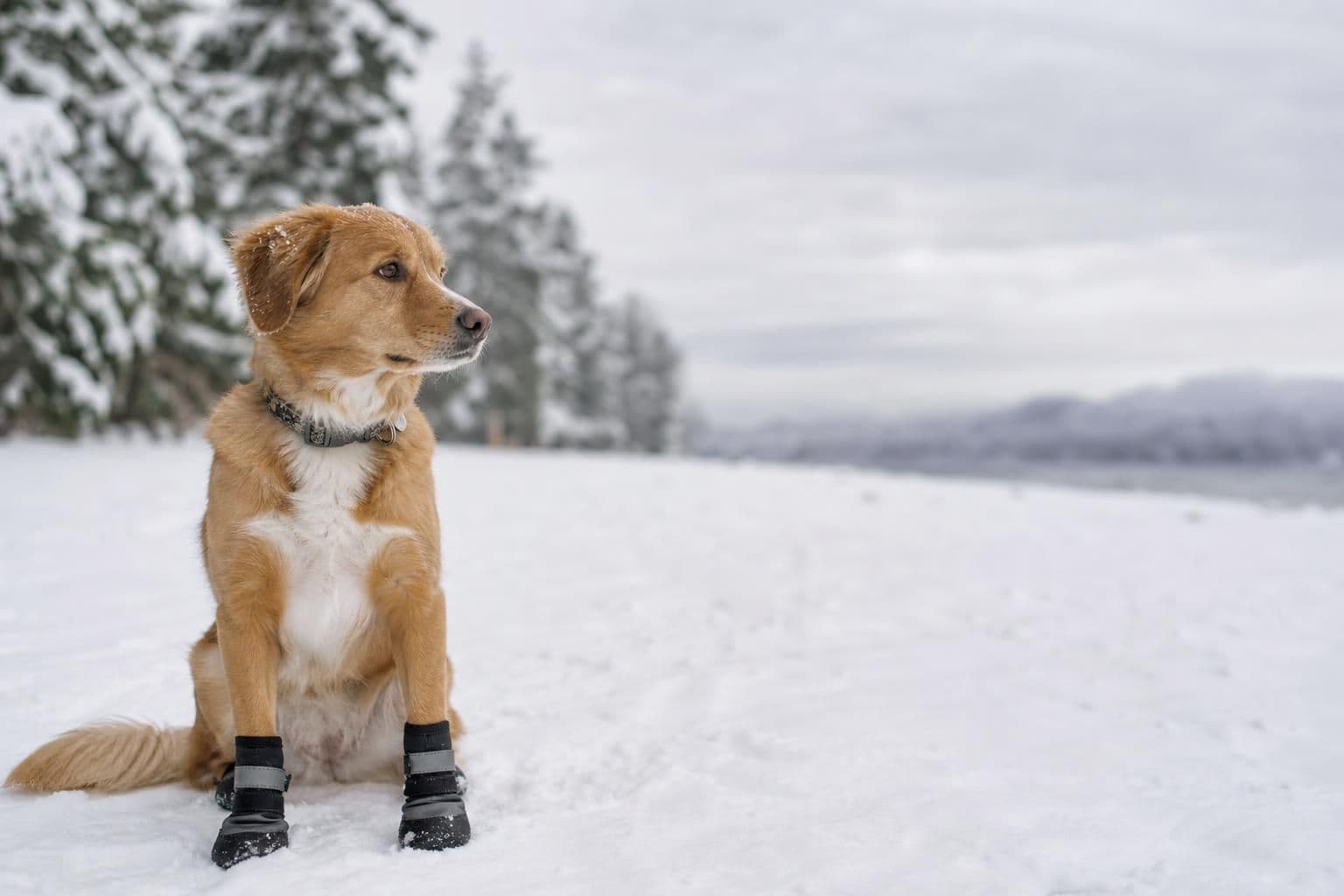
Key takeaway
Most dogs refuse to wear booties because the sudden pressure and altered sensation on their paw pads triggers an instinctive freeze-and-shake response, not real pain. Poor fit (too tight, too loose, or wrong shape for the paw) and skipping gradual introduction make the reaction worse. With the right size, slow desensitization, and short wear sessions, the vast majority of dogs adjust within one to two weeks.
Key takeaways
- The high-stepping "bootie walk" is a sensory startle response, not necessarily discomfort or distress.
- Ill-fitting booties (loose at the ankle or pinching across the toes) are the most common fixable cause of refusal.
- Short, repeated, treat-paired sessions of 2-5 minutes work better than forcing a dog to wear booties for a full walk on day one.
The Paw Is Packed With Nerve Endings
A dog's paw pads are one of the few areas of their body not covered in fur, and they're dense with sensory receptors used for balance, temperature sensing, and gripping surfaces. Covering that surface with fabric or rubber changes ground feedback almost instantly, which is why so many dogs lift their legs, shake their paws, or simply refuse to move the moment booties go on. This isn't a sign the booties are hurting them — it's the same disorientation a person might feel walking in thick gloves on their hands for the first time.
Veterinary behaviorists commonly describe this as a normal, temporary sensory adjustment rather than a welfare concern, provided the fit is correct (American Veterinary Medical Association).
Fit Problems That Cause Real Discomfort
Beyond the sensory adjustment, genuine fit issues can make a dog actively avoid booties every single time:
- Too tight at the cuff — restricts circulation and feels like a constant pinch.
- Too loose — the bootie twists sideways with each step, which is uncomfortable and also makes the dog more likely to try to pull it off.
- Wrong sole shape — some soles bunch under the center pad instead of sitting flat, creating an unnatural standing angle.
- Velcro or straps touching fur — can pull hair with every step, which is genuinely painful and easy to miss during a quick fitting.
Because paw width and length vary a surprising amount even within the same breed, sizing by paw circumference and length in inches — rather than a generic small/medium/large label — gets a far more reliable fit. This is the same reasoning Ziva Paws applies across its clothing collection, where chest, neck, and back length are all measured in inches instead of guessed from a size chart meant for an "average" dog.
Breed, Coat, and Age Factors
Short-haired and small breed dogs tend to resist booties more because they have less natural paw insulation and more exposed nerve sensitivity, while dogs with thick paw fur (like Huskies or Malamutes) often adjust faster since their fur already buffers some surface contact. Senior dogs with arthritis may refuse booties not because of the material but because the added weight and altered gait put more strain on sore joints — in that case, a vet check for mobility issues is worth doing before assuming it's purely behavioral. Puppies under six months typically need more sessions than adult dogs simply because they haven't built up tolerance to any foreign object touching their body yet.
How to Introduce Booties Without a Fight
Rushing the process is the single biggest reason booties fail long-term. A gradual approach mirrors how trainers introduce any new wearable item:
- Let the dog sniff and investigate the bootie with no pressure to wear it, rewarding calm curiosity.
- Touch one paw with the bootie (not fully on) for a few seconds, then treat and remove.
- Slip one bootie on fully, let the dog walk a few steps indoors on a familiar surface, then take it off.
- Repeat with two booties, then all four, adding a minute or two of wear time each session.
- Only attempt a full walk once the dog can stand and walk normally indoors in all four for several minutes.
Most dogs show a noticeable drop in the high-step shuffle within three to five short sessions when this sequence is followed consistently. Trying to "push through" a full walk on day one is the most common reason owners give up on booties altogether.
When Refusal Points to Something Else
If a dog suddenly refuses a bootie type they previously tolerated, check for a split sole, an embedded burr, or irritated skin between the toes first — sudden behavior change is more often a fit or injury issue than a new fear. Dogs recovering from a paw injury may also resist any contact with the area, in which case a vet visit takes priority over more training sessions. If a dog pants heavily, paces, or won't settle even indoors while wearing booties, it's worth comparing that against other anxiety signals the dog already shows, similar to the kind of restlessness described in why some dogs pant at night — a generally anxious dog will need a calmer, slower introduction than a confident one.
For dogs that stay anxious no matter the approach, pairing bootie training with a comfort item from home — a familiar bed or blanket nearby during sessions — can lower overall stress enough to make the new sensation easier to tolerate, the same logic behind dogs that prefer resting on their owner's clothing when anxious.
Choosing Booties That Are Easier to Accept
A few practical features make initial acceptance smoother:
- Soft, flexible soles rather than stiff rubber, so the paw can still flex naturally.
- Wide, adjustable closures that don't require a tight initial pull to stay on.
- Breathable fabric to avoid overheating paws during longer wear, especially in warm weather.
- A near-exact fit based on paw length and width measurements rather than a size guessed from the dog's overall size.
The American Kennel Club notes that properly fitted paw protection is most useful in extreme temperatures, rough or salted terrain, and recovery periods — not as an everyday requirement for most dogs, which is useful context if a dog never fully warms up to them for casual walks.
Frequently Asked Questions
Q: Why does my dog refuse to wear booties even after several tries?
Most dogs need multiple short, low-pressure sessions before booties feel normal; refusal after only one or two attempts usually means the introduction was rushed or the fit wasn't quite right, not that the dog can never adjust.
Q: Is the high-step walk dogs do in booties a sign of pain?
Usually not — it's a sensory startle response to the altered paw feedback, similar to how a person walks oddly the first time they wear thick gloves, and it typically fades within a few sessions of practice.
Q: How do I know if my dog's booties fit correctly?
A correctly fitted bootie stays snug at the cuff without pinching, doesn't twist or slide when the dog walks, and allows the paw to flex naturally; measuring paw length and width in inches gives a more reliable fit than picking a generic size.
Q: Should I force my dog to keep booties on if they're struggling?
No — forcing extended wear before a dog tolerates short sessions usually increases resistance; shorter, more frequent sessions with treats build tolerance faster than one long forced attempt.
Q: Can older dogs have a harder time with booties than puppies?
Yes, senior dogs with joint stiffness or arthritis may resist booties because of altered gait and added strain rather than the sensory feeling alone, so a vet check is worth considering if resistance is new and sudden.