How to Keep Vinyl Plank Flooring From Fading in Sunlight
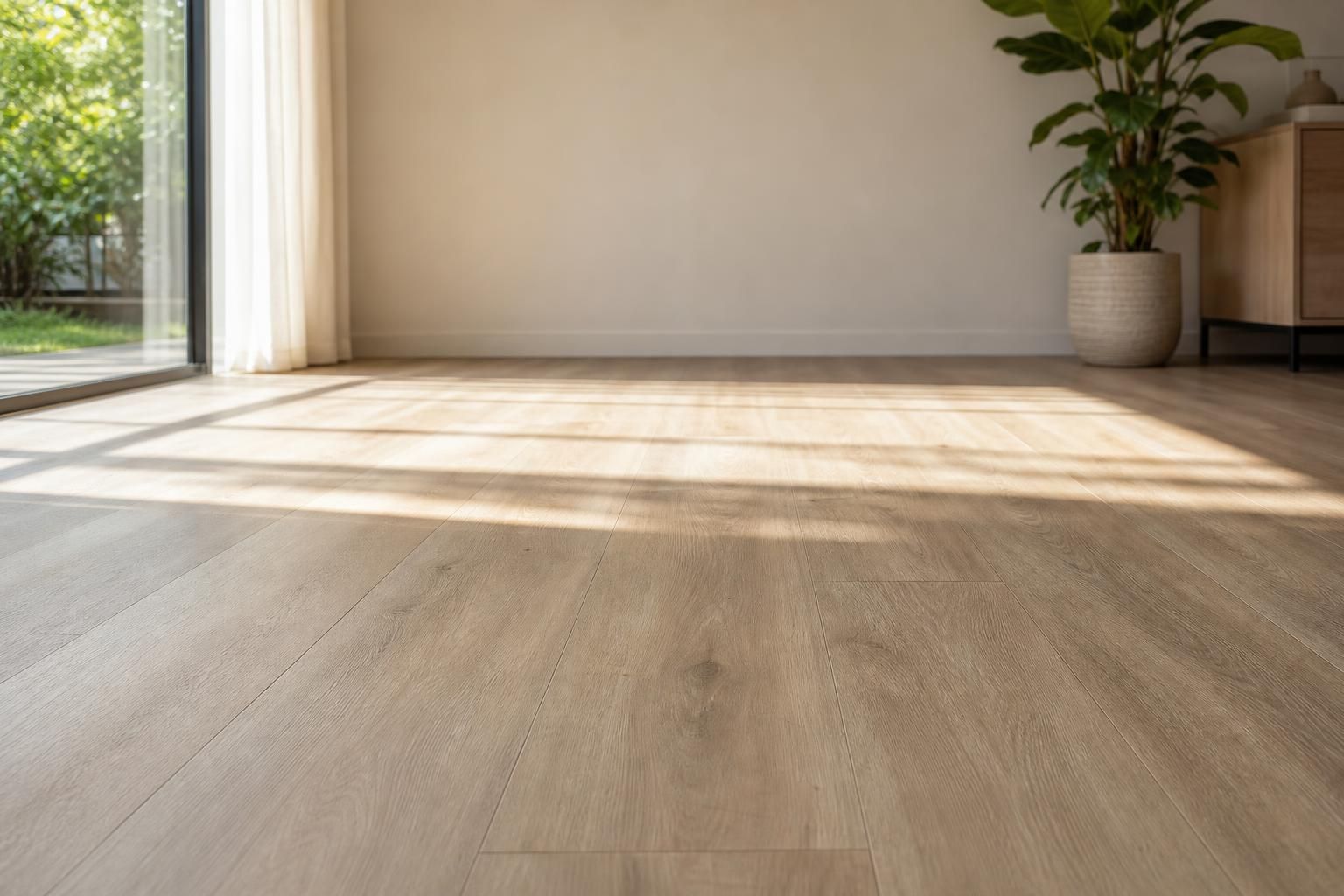
Key takeaway
The most effective way to keep vinyl plank flooring from fading is to block or filter the UV rays before they hit the floor — using UV-blocking window film, blinds, curtains, or tinted glass — while also choosing a plank with a UV-stable wear layer and rotating rugs or furniture so fading happens evenly rather than in obvious patches. No vinyl floor is fully fade-proof, but cutting direct UV exposure and buying a UV-treated product together can keep color loss minor for many years.
Key takeaways
- UV window film or tinted glass blocks the majority of the ultraviolet light that causes vinyl to lighten, and it protects furniture and artwork too.
- Not all SPC/LVP products are built the same — ask specifically whether the wear layer has UV inhibitors before buying for a sunny lanai-facing room.
- Rotate rugs, mats, and furniture every few months so any gradual color change happens evenly instead of leaving a sharp outline.
Why Oahu sun fades vinyl flooring faster than the mainland
Fading happens because ultraviolet radiation breaks down the pigments and polymer chains in vinyl's wear layer and print film over time, a process scientists call photodegradation. Hawaii sits closer to the equator, which means the sun's angle delivers more direct UV exposure through windows and sliding doors year-round compared to most mainland cities. The EPA's UV Index regularly rates Hawaii among the highest in the country, often reaching "extreme" levels even on partly cloudy days, and the National Weather Service issues UV alerts for the islands for the same reason. A west-facing condo living room or an open-concept great room with floor-to-ceiling glass will see noticeably more fading risk than an interior hallway with no direct sun.
Choose a UV-stable vinyl product from the start
The construction of the plank matters as much as what you do after installation. Look for these features when shopping:
- A wear layer rated for UV stability, sometimes listed by the manufacturer as "UV-treated" or "UV-cured" coating.
- A thicker wear layer (commonly 12 mil or higher) rather than the thinnest commercial-grade options, since more material buffers the printed design layer underneath.
- A matte or low-sheen finish, which tends to show gradual color shift less obviously than high-gloss finishes.
If you're comparing SPC products for a vacation rental or condo that gets strong afternoon sun, it's worth asking the supplier directly about UV warranty language rather than assuming all "waterproof" vinyl is treated the same way for sun exposure — waterproofing and UV resistance are two separate properties.
Block UV light before it reaches the floor
Filtering sunlight at the window is the single biggest lever homeowners have, because it protects everything in the room, not just the flooring.
- UV window film: Professionally applied film can filter out a large share of UV rays while still letting in visible light, and the International Window Film Association notes that films are commonly used specifically to reduce fading of floors, fabrics, and artwork.
- Light-filtering blinds or sheers: Cellular shades or woven wood blinds cut peak midday sun without blacking out the room.
- Tinted or Low-E glass: If you're already replacing sliders or windows during a renovation, Low-E glass reduces UV transmission as a built-in feature rather than an add-on.
- Overhangs and lanai covers: Extending a roof overhang or adding a shade sail over a sliding door reduces direct sun hours on the adjacent interior floor.
Rearrange rugs and furniture on a schedule
Fading that happens evenly across a room is far less noticeable than fading that leaves a crisp outline where a rug or sofa sat for years. A simple habit — shifting area rugs, furniture, and floor mats every three to four months — spreads UV exposure more evenly across the plank surface. This matters most in sunroom-style living areas and condo lanais with glass sliders, where one patch of floor can get hours of direct light daily while the rest of the room stays shaded. If you're already dealing with moisture concerns in the same high-exposure areas, it's worth reviewing how to prevent water damage in vinyl plank flooring at the same time, since sun-faded and moisture-damaged spots often show up along the same exterior wall.
Keep up with cleaning and avoid certain chemicals
Dust and salt-air residue sitting on a floor can make UV damage look worse by dulling the surface and masking the plank's natural sheen. Regular dry sweeping or vacuuming followed by a manufacturer-approved vinyl cleaner keeps the wear layer clear so it reflects light properly. Avoid ammonia-based or solvent-heavy cleaners, which can strip the protective coating and leave the surface more vulnerable to UV breakdown over time. If your home is in a renovation phase and you're also addressing cabinetry in the same sunny rooms, it helps to think about moisture and UV exposure together — see the guide on preventing cabinet doors from swelling in Hawaii for a related island-climate issue that often shows up in the same kitchens and lanais.
What to do if fading has already started
Once a vinyl plank has visibly lightened, there's no cleaning product that restores the original pigment, because the color change happens at the molecular level in the wear layer. Options at that point are generally limited to adding UV protection going forward to stop further fading, using furniture or rugs to visually balance the room, or replacing the most affected planks if the floor uses a click-lock system that allows partial repairs. For homeowners planning a fuller remodel anyway, it's worth reviewing Hawaii's flooring requirements, including the moisture barrier rules under the state building code, since a floor replacement is a natural time to also upgrade underlayment and plank specification for better long-term sun resistance.
Frequently Asked Questions
Q: Does all vinyl plank flooring fade in sunlight?
Most vinyl flooring will show some color change with years of direct UV exposure, but the rate and visibility vary a lot by product. Planks with UV-treated wear layers and matte finishes typically hold color better than untreated, high-gloss products in the same sunny room.
Q: Is UV window film enough on its own, or do I also need a UV-rated floor?
UV window film significantly reduces the UV reaching the floor and is often the biggest single improvement you can make, but pairing it with a UV-stable plank gives the best long-term protection, especially in rooms with large sliding glass doors common in Oahu condos.
Q: Can I fix vinyl plank flooring that has already faded?
There's no product that restores original pigment once UV has broken it down, so the practical fixes are blocking further UV exposure, rearranging rugs or furniture to even out the look, or replacing individual planks if the floor has a click-lock design.
Q: Does a darker vinyl plank color fade more noticeably than a lighter one?
Darker colors can show fading more visibly because the contrast between the original shade and the lightened area is greater, even if the actual rate of UV breakdown is similar across colors.
Q: Are lanai-facing rooms always the worst for sun fading?
Rooms with large west- or south-facing glass typically get the most direct, prolonged UV exposure in Hawaii, but any room with unshaded windows that receive several hours of direct sun daily is at meaningful risk, regardless of which direction it faces.