Cave Beds for Cats: Do They Actually Like Them?
Key takeaway
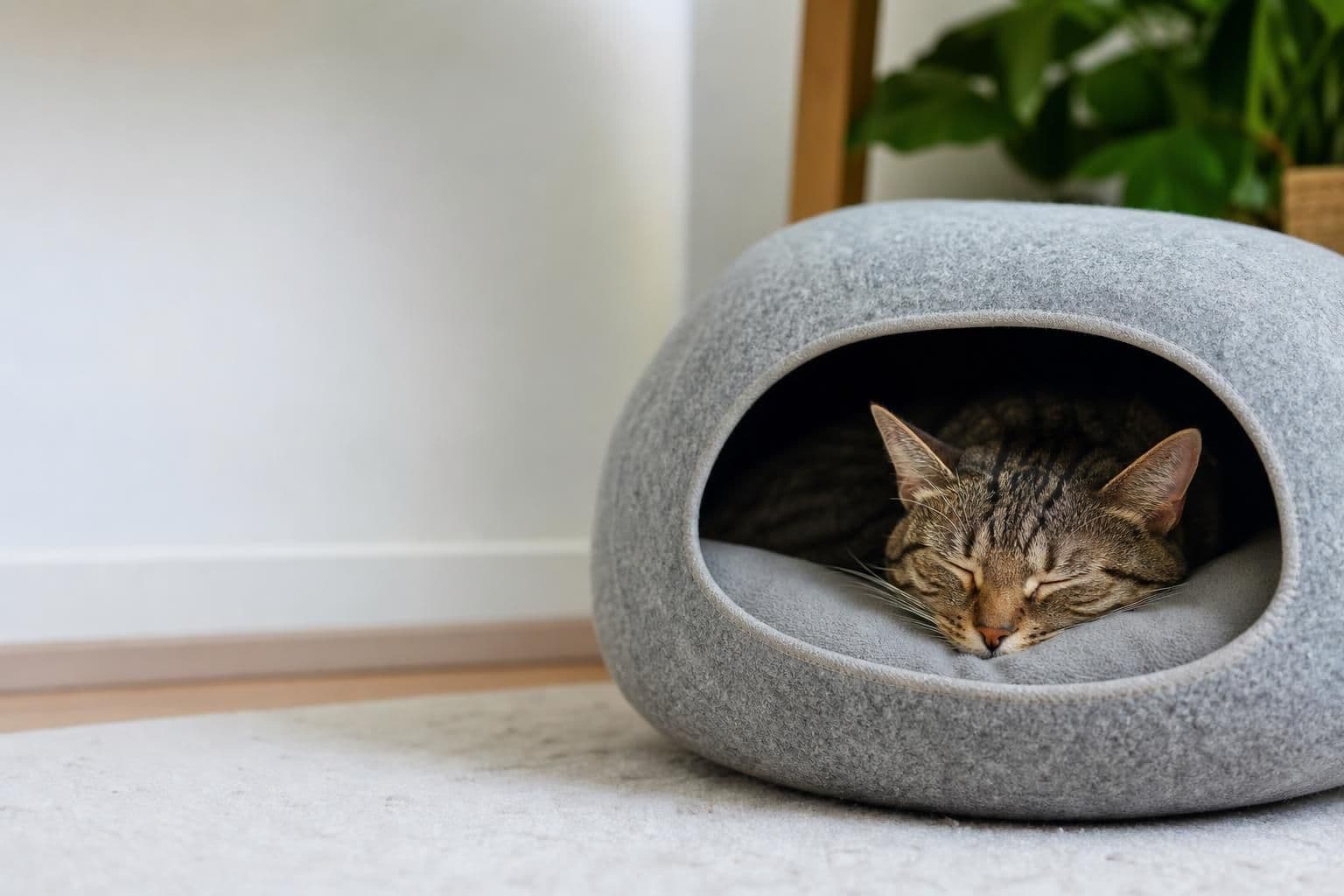
Most cats do like cave beds, because the enclosed shape mimics the tight, hidden spaces cats instinctively seek out for safety and warmth. Not every cat will take to one immediately, and preference often comes down to the individual animal's personality, the bed's material, and where it's placed in the home. For cats that already favor boxes, closets, or under-bed hiding spots, a cave bed is usually a fast yes.
Key takeaways
- Cats gravitate toward enclosed spaces because hiding reduces stress and helps them feel physically secure, especially in multi-pet or noisy households.
- A cave bed works best placed somewhere quiet, slightly elevated, or tucked against a wall rather than in the middle of an open room.
- If a cat ignores a new cave bed at first, leave it in place for a couple of weeks before assuming it's a miss — cats often need time to trust new objects.
Why Cats Are Drawn to Enclosed Spaces
Cats are both predators and prey in the wild, which means they're wired to seek cover. A den-like space limits the angles a threat can approach from, and it holds body heat, which matters because cats generally prefer warmer resting spots than humans do. The Cornell Feline Health Center notes that hiding is a normal, healthy coping behavior for cats, particularly in unfamiliar or stressful situations, and it's one of the reasons shelters recommend giving cats a box or covered space during transitions.
This instinct doesn't disappear just because a cat lives indoors with reliable food and no predators. The behavior is hardwired, so a cave bed is really just a designed version of the box-hiding cats already do on their own.
What We've Noticed Testing Cave Beds With Ai and Dudu
Ziva Paws has its own resident cats, Ai and Dudu, test products before they're listed, and cave-style beds are one of the categories where the difference between individual cats shows up clearly. One of them claimed a covered nest bed within the first hour and still naps in it regularly. The other ignored it for almost two weeks, then started using it once the household routine settled down and the bed had absorbed enough of the surrounding scent to feel familiar. That gap in adoption time is worth expecting rather than treating as a failed purchase.
Signs a Cat Will Likely Take to a Cave Bed
Not every cat needs convincing, but certain existing habits are good predictors:
- Already sleeps in boxes, paper bags, or laundry baskets
- Tends to nap under furniture or behind curtains rather than out in the open
- Is easily startled by household noise or other pets
- Is older or has thinner fur and seeks out warmer spots
- Is a newer addition to the household still adjusting to the space
Cats that prefer wide-open, elevated perches for people-watching may show less interest in a fully enclosed bed and do better with a hammock-style or half-covered option instead.
Placement Matters as Much as the Bed Itself
A cave bed set in a high-traffic hallway or next to a loud appliance is competing with the very reason the cat wants to hide in the first place. Better spots include a corner of a quiet room, near (but not directly under) a window, or tucked beside furniture where the opening doesn't face a doorway. Cats also tend to prefer resting spots slightly above floor level, so placing the bed on a stable shelf, windowsill, or inside a cat tree cubby can increase use compared to leaving it flat on an open floor.
Material and Size Considerations
Unlike clothing, cave beds don't typically use inch-based sizing charts, but size still matters in a different way: the entrance opening and interior depth need to match the cat's body size so they can turn around and curl up without feeling cramped or so exposed that the enclosure loses its purpose. A bed that's too large can feel like an open space rather than a den, while one that's too small discourages long naps.
Soft-sided fabric caves are easiest to wash and tend to suit cats that like to knead or dig at bedding before lying down. Rattan or woven nests offer more rigid structure and can double as a piece of furniture, which some owners prefer for shared living spaces. Either style benefits from a removable or washable liner, since cats spend a large share of the day sleeping — often reported at somewhere between 12 and 16 hours — and bedding accumulates fur and dander quickly over that much use.
If a household already has a dog with anxiety-driven bedding needs, the same "why does an enclosed shape help" logic explains the appeal covered in this guide to cozy beds for anxious dogs, since the underlying comfort mechanism — reduced exposure, retained warmth — is similar across species even though the products differ.
When a Cat Won't Use a New Bed
If a cat avoids a new cave bed entirely, a few adjustments usually help before giving up on it:
- Move it to a location the cat already frequents rather than a brand-new spot.
- Add a worn blanket or unwashed item with the cat's scent inside the opening.
- Leave the entrance facing away from the room's main doorway.
- Give it two to three weeks before judging — cats are neophobic by nature and often approach new objects cautiously.
If none of that works after several weeks, the cat likely has a genuine preference for open or elevated sleeping spots, and that's a normal outcome, not something to force. Rotating bedding styles seasonally — a warmer, more enclosed option in colder months and a flatter, breathable mat in summer — often gets more consistent use out of both than committing to a single style year-round. For households layering in seasonal clothing changes too, the same inch-based approach to fit applies; sizing charts that use actual chest and neck measurements, rather than generic small/medium/large labels, tend to produce a better fit than guessing, a point covered in more detail in this guide to measuring for accurate clothing sizes.
Frequently Asked Questions
Q: Do all cats like cave beds?
No. Most cats are drawn to enclosed spaces because it matches their natural hiding instinct, but individual preference varies, and some cats consistently prefer open or elevated resting spots instead.
Q: How long does it take a cat to start using a new cave bed?
It varies widely — some cats use it within the first day, while others take two to three weeks to warm up to an unfamiliar object, especially if it's placed somewhere unfamiliar.
Q: Where should I put a cave bed for the best chance my cat uses it?
Choose a quiet, low-traffic spot away from loud appliances, ideally slightly elevated or tucked into a corner, with the opening facing away from the main doorway.
Q: Is a cave bed better than a flat bed for an anxious cat?
Enclosed beds often help anxious cats because the covered shape limits visible threats and traps body heat, but flat beds still work well for cats that prefer to keep watch over their surroundings while resting.
Q: What material is easiest to keep clean for a cat cave bed?
Soft-sided fabric caves with a removable, washable liner are generally the easiest to maintain, since cats spend many hours a day sleeping and bedding collects fur quickly.