How to Get a Dog Used to Wearing Clothes
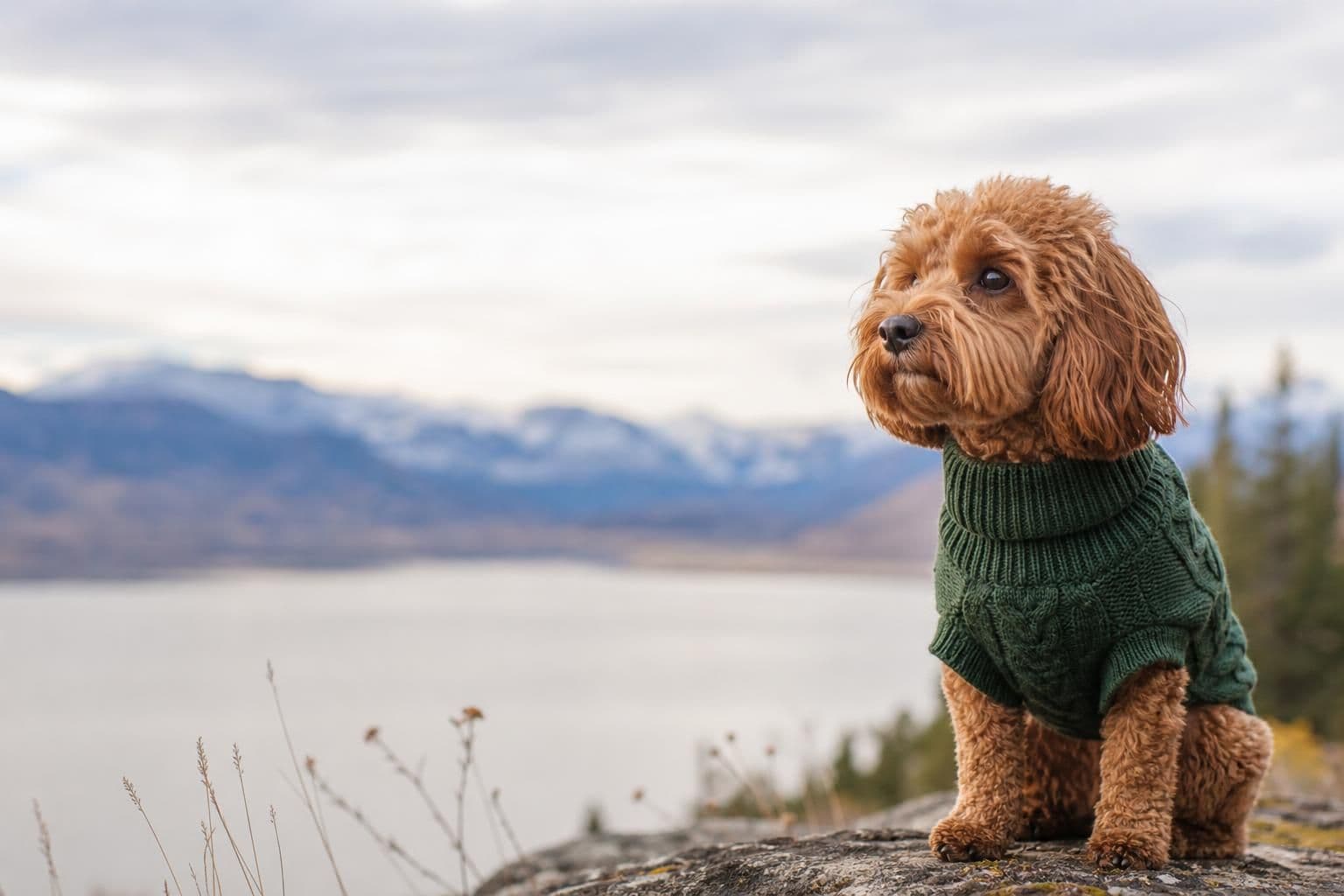
Key takeaway
To get a dog used to wearing clothes, introduce the item gradually with short, positive sessions, pairing it with treats and praise rather than forcing it on and walking away. Start with just a few minutes of wear indoors, increase the time slowly over several days, and make sure the garment fits correctly so it doesn't restrict movement or pinch. Most dogs adjust within one to two weeks when the process is paced and rewarded rather than rushed.
Key takeaways
- Introduce clothing in short 2-5 minute sessions, pairing it with treats, then build up wear time gradually over a week or two.
- Poor fit is the #1 reason dogs resist clothes — measure chest, neck, and back length rather than guessing a size.
- Watch body language (freezing, tail tucking, excessive licking) as your signal to slow down, not push through.
Why Some Dogs Resist Clothes in the First Place
Dogs experience new textures and pressure on their bodies as unfamiliar sensory input, similar to how they react to a new collar or harness. The American Veterinary Medical Association notes that gradual, positive exposure is a core principle of reducing fear responses in dogs, and the same logic applies to clothing. A dog that freezes, walks stiffly, or repeatedly tries to bite at a sweater isn't being stubborn — it's telling you the sensation feels foreign or the fit is uncomfortable.
Ill-fitting clothes make this worse. A collar opening that's too tight around the neck, sleeves that bind at the "armpit," or a back length that rides up over the tail can all cause a dog to associate clothing with restriction rather than comfort. Getting the size right before you start training removes one of the biggest obstacles.
Step-by-Step: Introducing Clothes for the First Time
- Let the dog sniff the garment first. Lay it on the floor for a few minutes so it becomes a neutral object, not something that suddenly appears on their body.
- Drape it briefly, then reward. Hold the item against the dog's back or shoulders for a few seconds, then give a treat and remove it. Repeat this a few times in one sitting.
- Fasten it for short bursts. Once the dog is relaxed with the draping, fasten the garment for 1-2 minutes indoors, then take it off before frustration builds.
- Add distraction. Put the clothing on right before a meal, a walk, or playtime so the dog associates it with something they already enjoy.
- Extend duration gradually. Add a few minutes each session until the dog can wear the item for a normal outing without pawing at it.
This mirrors the same graduated exposure method trainers use for harnesses and muzzles, where success is measured by the dog staying relaxed at each stage before moving to the next.
Getting the Fit Right Before You Start
A garment that fits poorly will undo even the best training approach. Generic S/M/L labels vary widely between brands, which is why sizing based on actual body measurements — chest girth, neck circumference, and back length from collar to tail base — gives a far more reliable fit than a label alone. If you haven't measured your dog yet, this guide on measuring a dog for an accurate clothes size walks through exactly where to place the tape and how to read the numbers against a size chart.
Ziva Paws builds its clothing sizing around these same three measurements — chest, neck, and back length in inches — specifically because so many dogs are mis-sized by standard letter labels. Getting this right before the first fitting session means the dog's resistance is about the sensation, not the discomfort of a garment that's too snug or a neck opening pulling on their throat.
Reading Your Dog's Signals During Training
Dogs communicate discomfort clearly if you know what to watch for:
- Freezing or walking stiff-legged as if wearing invisible shoes — a sign the sensation is still novel, not necessarily a problem.
- Repeated licking, chewing, or pawing at the fabric — often means the fit is off somewhere, not that the dog dislikes clothes in general.
- Rolling on the ground to try to remove the item — usually a fit issue at the neck or leg openings.
- Relaxed body, normal tail carriage, willingness to walk normally — signs the dog has genuinely adjusted, not just tolerated the moment.
If a dog shows the same distress signs after several sessions rather than gradually settling, it's worth double-checking the size chart against fresh measurements before assuming the dog simply dislikes clothing.
When Clothing Actually Matters for Comfort
Certain situations make apparel more than a style choice. Short-haired and small-breed dogs lose body heat faster in cold weather, and the American Kennel Club points out that senior dogs and those with thin coats often benefit from an extra layer during winter walks. Dogs recovering from grooming, surgery, or skin conditions may also need light clothing to prevent licking or scratching at a treated area.
In these cases, training the dog to accept clothing isn't optional — it's part of keeping them safe and comfortable, which is a good reason to start the desensitization process before the weather turns rather than during an emergency.
What to Do If Progress Stalls
If a dog still resists after two weeks of consistent short sessions, back up rather than push forward. Try a lighter-weight garment, shorten sessions further, or return to simply draping the fabric without fastening it. Anxious dogs in particular do better when new experiences are layered onto an already-secure routine — the same reasoning behind giving nervous dogs a consistently cozy bed as a safe home base they can retreat to between training sessions.
Consistency matters more than speed. A dog that wears a sweater comfortably for five minutes today and ten minutes tomorrow is making real progress, even if it takes longer than expected to reach a full walk in a coat.
Frequently Asked Questions
Q: How long does it take for a dog to get used to wearing clothes?
Most dogs adjust within one to two weeks of short, daily positive sessions, though timeline varies by temperament and how gradually the process is paced.
Q: Should I force my dog to keep clothes on if they're clearly uncomfortable?
No. Forcing a distressed dog to keep clothing on usually increases anxiety around it. Remove the item, shorten future sessions, and check the fit before trying again.
Q: Why does my dog walk strangely the first time wearing a sweater?
Stiff or high-stepping walking is a common initial reaction to new pressure and texture on the body, similar to a first-time harness reaction, and typically fades with repeated short exposures.
Q: Does the type of fabric matter for training success?
Yes — lightweight, soft, stretchy fabrics are generally easier for a dog to accept than stiff or bulky materials, especially during the first few sessions.
Q: Is it normal for some dogs to never fully accept clothing?
Some dogs remain tolerant rather than enthusiastic about clothing their whole lives, which is fine as long as they aren't showing ongoing distress; comfort and correct fit matter more than enthusiasm.