How to Switch Cat Food Without Stomach Issues
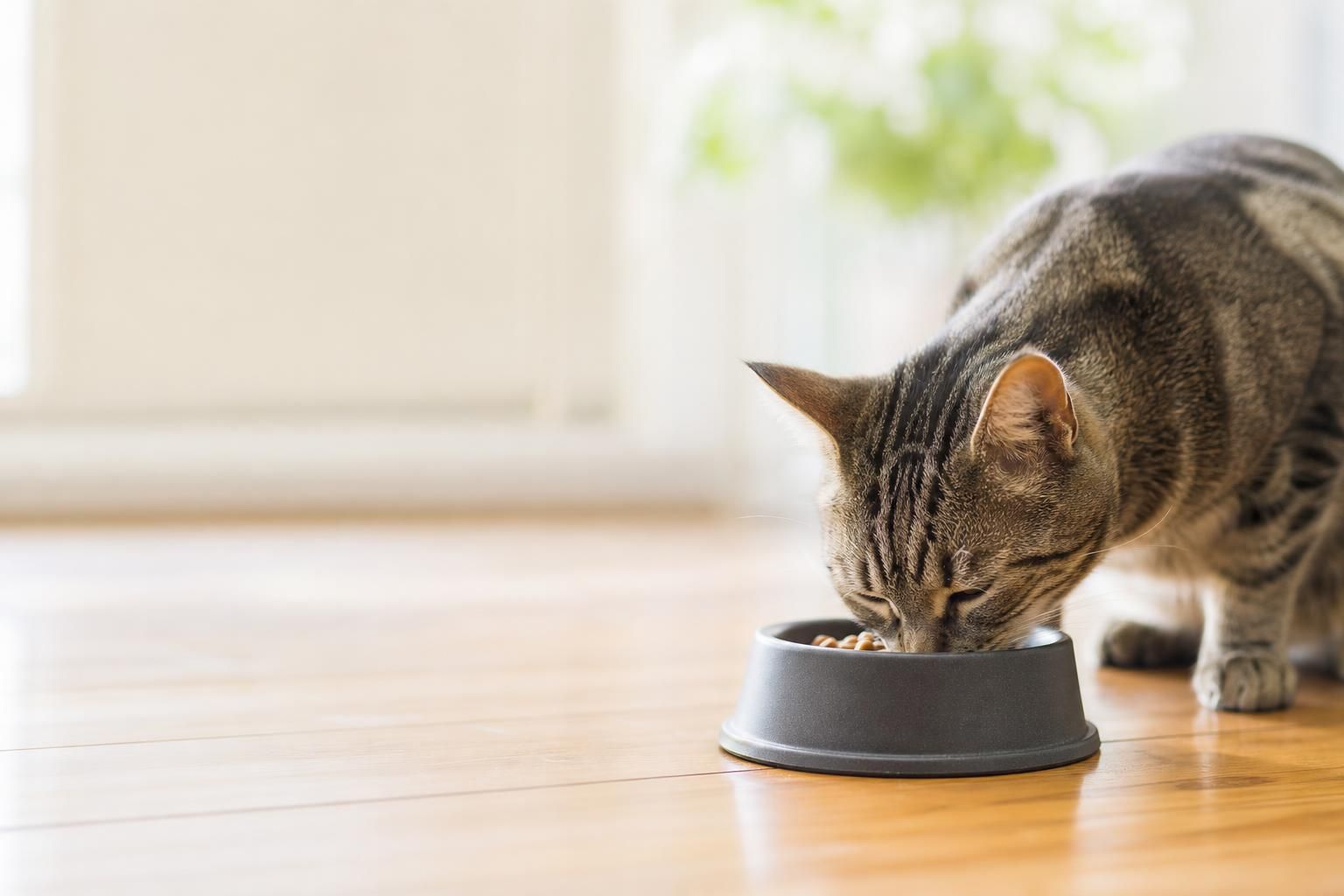
Key takeaway
The safest way to switch cat food is to mix the new food into the old one gradually over 7 to 10 days, increasing the new portion a little each day while watching for vomiting, loose stool, or appetite loss. Cats have sensitive gut flora that needs time to adjust to new proteins, fats, and fiber ratios. Rushing the switch — or changing foods cold turkey — is the single most common cause of digestive upset during a diet change.
Key takeaways
- Blend old and new food over 7–10 days instead of switching in one meal.
- Slow down or pause the transition if you see vomiting, diarrhea, or refusal to eat.
- Kittens, seniors, and cats with sensitive stomachs often need a 2-week transition instead of a 1-week one.
Why Sudden Food Changes Upset a Cat's Stomach
A cat's digestive tract relies on a stable population of gut bacteria that's calibrated to whatever it has been eating regularly. When a new protein source, fat level, or fiber type shows up all at once, those bacteria don't have enough new food to process it efficiently, which is why loose stool and vomiting are so common after an abrupt switch. The Cornell Feline Health Center notes that cats are prone to digestive sensitivity when diet changes happen too quickly, which is part of why slow transitions are standard advice from veterinarians.
Cats are also naturally cautious eaters. In the wild, novel foods could be a risk, so many cats will sniff, hesitate, or eat less of an unfamiliar food even before any digestive symptoms start. That instinct is normal and isn't itself a sign something is wrong.
The 7-to-10-Day Transition Schedule That Works
A gradual ratio shift gives the gut time to adapt enzyme and bacteria levels to the new food. A commonly used schedule looks like this:
- Days 1–2: 75% old food, 25% new food
- Days 3–4: 50% old food, 50% new food
- Days 5–6: 25% old food, 75% new food
- Days 7+: 100% new food
If your cat has a history of a sensitive stomach, stretch each stage to 2–3 days instead of 1–2, turning the full switch into roughly 10–14 days. Measuring both foods by volume (not by eyeballing a bowl) keeps the ratios consistent, which matters more than most owners expect — a slow feeder bowl with marked measurements can help you track exact amounts meal to meal.
Signs Your Cat Needs a Slower Transition
Not every hiccup means you're doing it wrong, but these signs mean you should pause the schedule and hold at the current ratio for a few extra days before moving forward:
- Soft or loose stool lasting more than one day
- Vomiting more than once in a 24-hour period
- Skipping meals or eating noticeably less than usual
- Excessive gas or audible stomach noises
- Lethargy alongside any digestive symptom
If symptoms show up, go back to the last ratio that worked and hold there for 2–3 days before trying to increase the new food again. This "two steps forward, one step back" approach is slower but far less stressful on the cat's gut than pushing through symptoms.
Tools That Make a Smooth Switch Easier
A few feeding habits reduce stress during a diet change beyond the ratio schedule itself:
- Keep feeding times consistent. Cats regulate digestion partly around routine, so changing the food and the schedule at the same time adds unnecessary variables.
- Use a slow feeder bowl if the new food is more appealing and your cat tends to eat too fast, since rapid eating on a new formula increases the odds of vomiting.
- Avoid adding other new treats or foods during the transition window, so if a symptom appears, you know the food switch is the likely cause.
At Ziva Paws, feeding accessories are tested at home by the resident cats, Ai and Dudu, before they're listed — including slow feeder-style bowls, which is a detail worth checking if your cat is a fast, excited eater during a food switch. You can browse the full range of feeding bowls and dispensers if a slower, more controlled bowl would help your transition.
When to Call Your Veterinarian
Mild loose stool for a day or two is common and usually resolves on its own as the gut adjusts. According to the ASPCA, prolonged vomiting, diarrhea lasting more than 48 hours, or any sign of dehydration or lethargy in a cat warrants a veterinary visit rather than waiting it out. Kittens and senior cats dehydrate faster than healthy adults, so the window for calling a vet should be shorter for them — closer to 24 hours of symptoms rather than 48.
Call your vet immediately, regardless of how long symptoms have lasted, if you notice blood in vomit or stool, repeated vomiting that prevents your cat from keeping any food down, or a complete refusal to eat for more than a day.
Special Cases: Kittens, Seniors, and Underweight Cats
Kittens have smaller digestive reserves and can dehydrate quickly, so their transitions should lean toward the slower end — closer to 10–14 days — even though the mixing principle is the same one used when transitioning a puppy to adult food. Senior cats with any history of digestive sensitivity benefit from the same extended timeline, plus smaller, more frequent meals during the switch rather than two large ones.
If you're switching food specifically because your cat is underweight and needs a calorie-denser formula, go slowly even though you may be eager to see weight gain — a stomach upset will set back progress further than a slightly longer transition period. Our guide on helping an underweight cat gain weight covers how to pick an appropriate formula alongside the transition schedule.
Chronic loose stool, skin problems, or dull coat during a food switch sometimes point to a food sensitivity rather than a normal adjustment period — if symptoms persist well past the 10–14 day mark, it's also worth ruling out other causes like the ones discussed in why cats lose hair, since diet, skin, and digestive health are often connected.
Frequently Asked Questions
Q: How long does it take to switch a cat's food without stomach issues?
Most healthy adult cats do well with a 7 to 10 day gradual transition, increasing the new food by about 25% every two days. Cats with sensitive stomachs, kittens, or seniors often need 10 to 14 days instead.
Q: Can I switch cat food cold turkey?
It's possible for some cats to handle an abrupt switch without issues, but it carries a much higher risk of vomiting, diarrhea, or food refusal. A gradual mix-in schedule is the safer default for any cat.
Q: Is diarrhea normal when switching cat food?
Mild, short-lived loose stool for a day or so can happen as the gut adjusts, but diarrhea lasting more than 48 hours (or 24 hours in kittens and seniors) isn't normal and should prompt a call to your vet.
Q: Should I switch wet and dry food at the same pace?
Yes, the same gradual mixing principle applies to both, though wet food transitions sometimes go a bit faster since it's easier to blend exact ratios by weight in a bowl.
Q: What if my cat refuses the new food entirely?
Go back to a higher ratio of the old food and increase the new food more slowly over a few extra days; warming wet food slightly or mixing in a small amount of the cat's current favorite can also help with acceptance without undoing the transition.