Why Does My Dog Have Dry Skin? Causes & Fixes
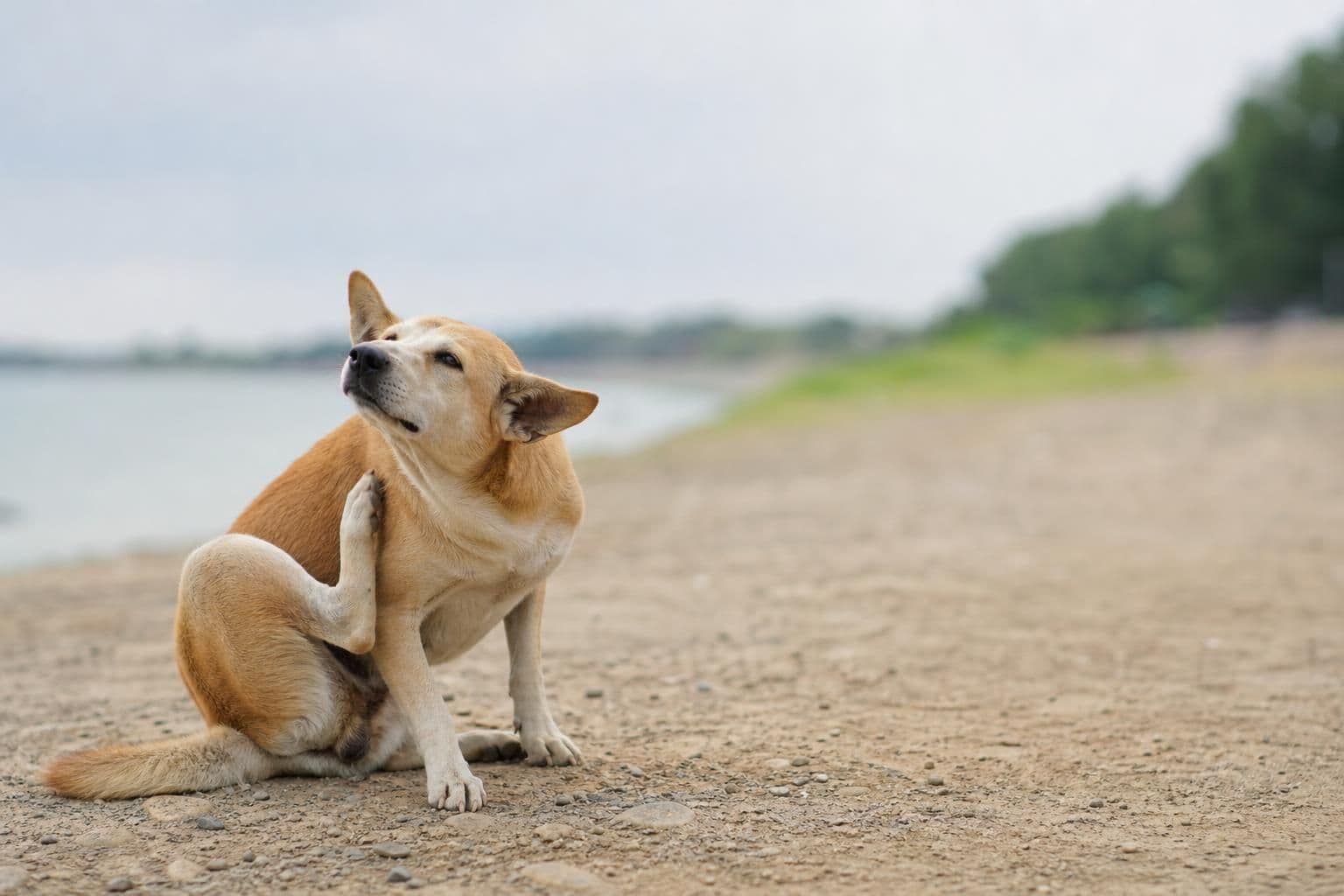
Key takeaway
Dry skin in dogs is usually caused by low humidity, over-bathing, poor diet, allergies, or an underlying skin condition like parasites or hormonal imbalance. Most mild cases improve with better grooming habits, a balanced diet, and a humidified environment, but flaking paired with redness, hair loss, or constant scratching warrants a vet visit. Pinpointing the trigger matters because the fix for weather-related flakiness is very different from the fix for a flea allergy or a thyroid problem.
Key takeaways
- Dry skin tied to winter air or frequent bathing usually resolves with fewer baths and a moisturizing routine.
- Flaking combined with redness, odor, or hair loss points to allergies, parasites, or infection and needs veterinary input.
- Brushing regularly and checking for omega-3 fatty acids in the diet are two of the simplest, most effective home fixes.
Common Causes of Dry, Flaky Skin
Several everyday factors can dry out a dog's skin before any disease is involved:
- Low humidity and cold weather — indoor heating and cold outdoor air both pull moisture from the skin, the same way human skin chaps in winter.
- Over-bathing or harsh shampoo — washing more than once every few weeks, or using human shampoo, strips natural oils from the coat.
- Poor-quality or low-fat diet — diets lacking sufficient fatty acids can leave the skin barrier weak and flaky.
- Dehydration — a dog not drinking enough water will show it in coat quality before anything else changes.
- Parasites — fleas, mites (including sarcoptic mange), and lice irritate skin and often cause secondary dryness and scabbing.
- Allergies — food allergies, seasonal pollen, or contact allergies (new bedding, cleaning products) are among the top causes of chronic itching and flaking in dogs, according to veterinary dermatology resources from the American Veterinary Medical Association.
- Hormonal conditions — hypothyroidism and Cushing's disease can thin the skin and cause dullness or flaking across the whole body, not just one spot.
How to Tell If It's Serious
Mild dryness looks like white flakes in the coat with no other symptoms, and the dog is otherwise comfortable. Signs that point to something more than dry air include:
- Redness, scabs, or open sores
- A strong, yeasty, or foul odor from the skin
- Hair loss in patches rather than general dullness
- Constant scratching, licking, or chewing at one spot
- Thickened or darkened skin, especially around the belly or legs
If two or more of these show up together, a veterinary exam is the right next step rather than more home remedies — skin issues that look similar on the surface can have very different causes, from mange to an endocrine disorder, per guidance from Cornell University's College of Veterinary Medicine.
Diet and Hydration Matter More Than People Expect
Skin is the body's largest organ, and it shows nutritional gaps quickly. Diets with adequate omega-3 and omega-6 fatty acids support the skin's natural oil barrier, which is why many dermatology-focused dog foods list fish oil or flaxseed near the top of the ingredient list. Fresh water access also plays a direct role — a dog drinking too little will often show dull, flaky skin before other dehydration symptoms appear. Keeping a full water bowl available throughout the day, and refreshing it more often in hot weather, is a simple way to rule this out. A slow feeder bowl or an automatic water dispenser from the feeding collection can help dogs that tend to under-drink by keeping water fresher and more appealing for longer.
Grooming Habits That Help (and Ones That Hurt)
Bathing too frequently is one of the most common human-caused contributors to dry skin, since it washes away the natural oils a dog's coat needs. A general guideline is to bathe dogs every four to six weeks unless a vet recommends more often for a skin condition, using a moisturizing, dog-specific shampoo rather than human products. Between baths, regular brushing distributes natural oils through the coat and removes loose, dead fur that can trap moisture against the skin. Ai and Dudu — the resident cats who test grooming products before they're listed — tend to groom themselves obsessively when their skin feels dry, which is a useful reminder that over-licking or over-scratching in any pet is often a comfort signal, not just a habit. A gentle slicker brush or grooming hammock from the grooming collection makes this kind of regular coat care easier to keep up with, especially for dogs that dislike long sessions.
Seasonal and Environmental Fixes
Indoor heating in winter and dry climates year-round both lower humidity, which dries out skin the same way it chaps human hands and lips. A humidifier in the rooms a dog spends the most time in can noticeably reduce flaking within a few weeks. Dogs that get cold easily or spend time outdoors in dry winter air may also benefit from a layer that protects their coat from wind exposure — sizing it correctly matters, since a sweater that rubs at the neck or chest can irritate already-dry skin further. This is one reason Ziva Paws publishes inch-based chest, neck, and back-length measurements instead of generic S/M/L labels on its clothing collection, so owners can check fit against their own dog rather than guessing from a size label that varies by brand. For dogs recovering from a skin issue and wearing protective gear temporarily, it's also worth reading about why some dogs resist wearing a cone, since skin irritation and cone discomfort often overlap during recovery.
Bedding and Contact Irritation
Dry, flaky skin sometimes has nothing to do with weather or diet and everything to do with what the dog lies on. Rough, synthetic, or unwashed bedding can cause friction and mild contact irritation, especially on the belly, elbows, and hips where dogs rest their weight. Washing bedding every one to two weeks and choosing soft, breathable fabric reduces this kind of irritation. A plush bed or washable mat from the beds & furniture collection gives sensitive skin a softer surface to rest on, which matters as much for anxious or older dogs as it does for puppies, as covered in the puppy bed sizing guide.
When to See a Vet
A vet visit is the right call if dry skin lasts more than two to three weeks despite diet and grooming changes, if it's accompanied by hair loss, odor, or open sores, or if the dog seems uncomfortable enough to disrupt sleep or appetite. A vet can test for mites, fungal infections, allergies, and thyroid function — conditions that look similar from the outside but need very different treatment. Trying to self-diagnose a hormonal or parasitic cause with over-the-counter shampoos alone can delay proper treatment and let the underlying issue worsen.
Frequently Asked Questions
Q: Can dry skin in dogs go away on its own?
Mild, weather-related dry skin often improves on its own once bathing frequency is reduced and humidity is restored indoors. Dry skin caused by allergies, parasites, or hormonal issues typically will not resolve without addressing the underlying cause.
Q: Is coconut oil good for a dog's dry skin?
Small amounts of coconut oil applied topically or added to food are commonly used and generally considered low-risk, but there's limited strong evidence it outperforms a balanced diet with proper fatty acids. It's best used as a supplement to good diet and grooming, not a replacement for a vet visit if symptoms persist.
Q: What does dry skin on a dog look like compared to dandruff?
Dry skin typically shows as fine, loose white flakes in the coat with no redness, while dandruff from a skin condition often comes with redness, odor, or clumping. If flakes return quickly after brushing or seem greasy rather than dry, it's worth having a vet check for an underlying cause.
Q: Can the wrong shampoo cause dry skin in dogs?
Yes — human shampoo and some harsh dog shampoos strip natural oils and disrupt the skin's pH, which can trigger or worsen dryness. Dog-specific, moisturizing shampoos used no more than every few weeks are generally gentler on the skin barrier.
Q: Does dry skin mean my dog has fleas?
Not necessarily, but fleas are a common cause of itching that leads to scratching-related dryness and scabs, especially around the tail base and hind legs. Checking the coat for flea dirt or live fleas is a quick way to rule this cause in or out before assuming it's diet or weather related.