Why Does My Dog Have Smelly Ears? Causes & Fixes
Key takeaway
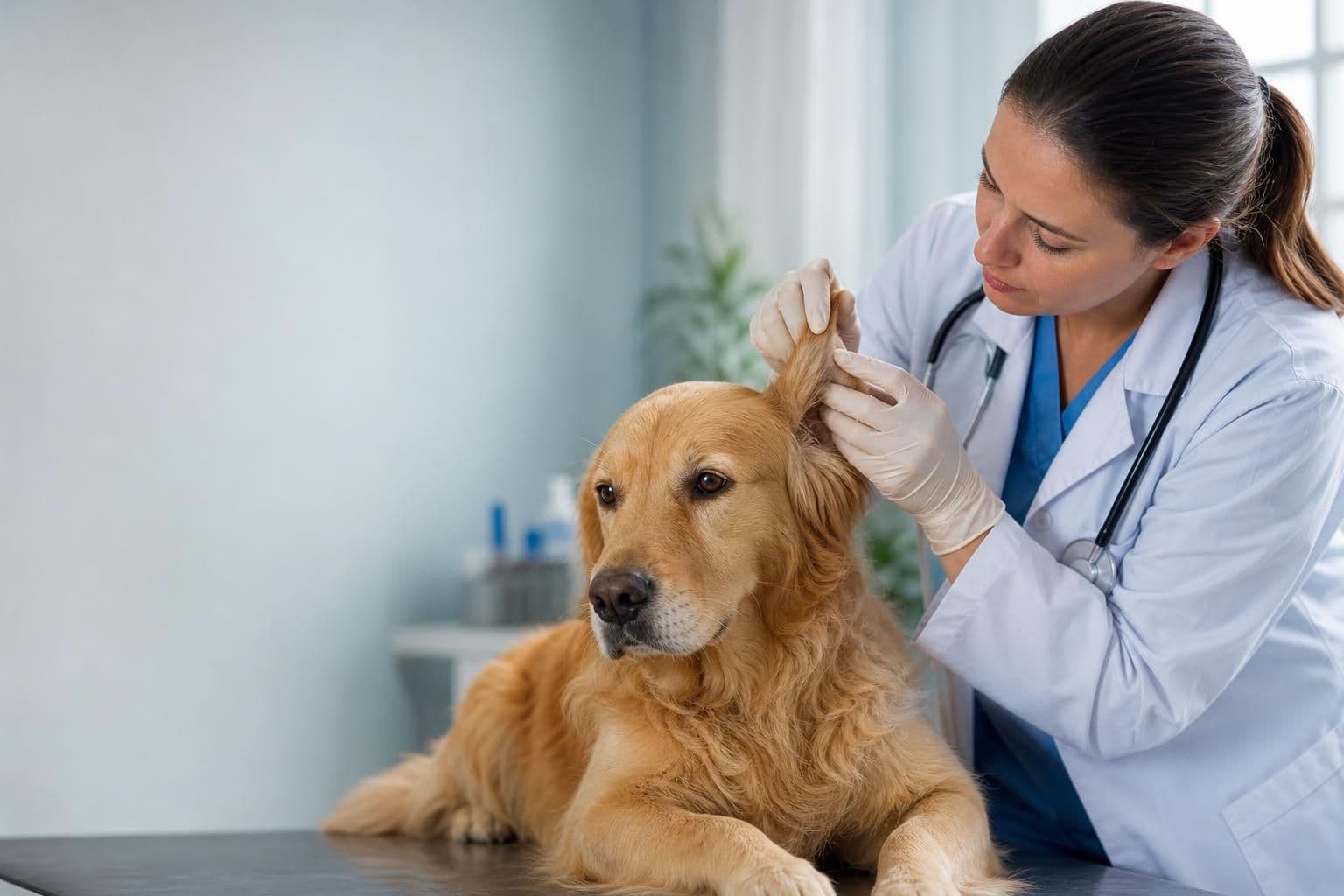
A musty, yeasty, or sour odor from your dog's ears is almost always caused by excess moisture, wax buildup, or an overgrowth of yeast and bacteria inside the ear canal. Floppy-eared and water-loving breeds are especially prone to this because trapped humidity creates the perfect environment for microbes to multiply. Mild odor often responds to regular at-home cleaning, but a strong smell paired with redness, head shaking, or discharge usually means an infection that needs veterinary treatment.
Key takeaways
- A faint, slightly musky smell is normal; a strong yeasty, sour, or rotten odor signals overgrowth that needs attention.
- Floppy ears, allergies, and recent swimming or bathing are the three most common triggers for smelly dog ears.
- Clean ears weekly with a vet-approved solution, and see a vet if odor comes with scratching, redness, or dark discharge.
Common Causes of Smelly Dog Ears
A dog's ear canal is L-shaped, bending sharply before reaching the eardrum. That bend traps moisture, wax, and debris more easily than the straighter human ear canal does, which is part of why dogs develop ear odor far more often than people do.
The most frequent culprits include:
- Yeast overgrowth (Malassezia) — produces a distinct sour, bread-like smell and is the single most common cause of chronic ear odor in dogs.
- Bacterial infection, often Staphylococcus or Pseudomonas species, which can cause a sharper, almost rotten smell along with yellow or green discharge.
- Excess wax buildup from normal shedding of skin cells inside the canal, especially in dogs that aren't groomed regularly.
- Trapped moisture after swimming, bathing, or humid weather, which softens the skin and encourages microbial growth.
- Ear mites, more common in puppies and cats, which leave a dark, coffee-ground-like debris with a distinct odor.
- Allergies, both food-based and environmental, which inflame the ear lining and make it more hospitable to yeast and bacteria.
Many of these overlap. A dog with environmental allergies, for example, often has chronically inflamed ear tissue that then gets colonized by yeast — so the odor is really a downstream symptom of the original allergy. That overlap is also why skin and ear issues tend to show up together; if your dog's ears smell and their coat looks flaky or irritated, it's worth reading about common causes of dry, irritated dog skin as well.
Breeds and Conditions That Increase Risk
Ear conformation matters more than most owners expect. According to the American Kennel Club, breeds with heavy, low-hanging ears — Cocker Spaniels, Basset Hounds, and Bloodhounds among them — are consistently over-represented in cases of chronic ear infections because their ear flaps restrict airflow to the canal.
Other risk factors include:
- Dogs with lots of hair inside the ear canal (Poodles, Schnauzers), which traps wax and moisture.
- Dogs who swim regularly or get bathed often without thorough ear drying.
- Dogs with known food or environmental allergies.
- Dogs with narrow or stenotic ear canals, sometimes seen in certain small breeds.
- Senior dogs, who produce more wax and have less resilient skin inside the canal.
None of this means a floppy-eared dog is guaranteed to have ear problems — it just means the margin for error is smaller, so a consistent cleaning routine matters more.
How to Clean Your Dog's Ears Safely at Home
Routine cleaning is the simplest way to control normal ear odor before it becomes an infection. The general steps:
- Use a vet-approved ear cleaner formulated for dogs — never alcohol, hydrogen peroxide, or cotton swabs pushed into the canal, which can damage the eardrum.
- Fill the ear canal with solution, massage the base of the ear for about 20–30 seconds to loosen debris, then let your dog shake its head.
- Wipe away loosened wax and solution from the visible ear flap and opening with a soft cloth or cotton ball — never dig deeper than you can see.
- Dry ears thoroughly after baths or swimming, since lingering moisture is one of the most preventable triggers for odor.
- Repeat weekly for at-risk breeds, or every two to four weeks for dogs with less ear-related risk.
A dedicated pet towel designed to absorb moisture quickly can make the post-bath or post-swim drying step much faster, which matters more for ear health than it might seem — a few extra minutes of trapped dampness is often all it takes for yeast to take hold.
When Smelly Ears Signal a Vet Visit
Mild odor that responds to cleaning is usually not an emergency. But certain signs point to an active infection that needs diagnosis and prescription treatment rather than home care:
- Strong, persistent odor that returns within days of cleaning.
- Redness, swelling, or heat inside the ear flap.
- Dark brown, yellow, or bloody discharge.
- Frequent head shaking, tilting, or pawing at the ear.
- Visible pain when the ear is touched.
The American Veterinary Medical Association notes that chronic or recurring ear infections can lead to permanent canal thickening and hearing changes if left untreated, which is why repeated infections — even mild-smelling ones — are worth a veterinary exam rather than repeated home treatment alone. If your dog needs post-treatment care like ointment application or an e-collar afterward, it helps to plan ahead, since getting a dog to tolerate a cone is its own challenge many owners aren't ready for.
Preventing Ear Odor Long-Term
Prevention comes down to keeping the ear canal dry, clean, and free of excess hair or wax buildup. Beyond the cleaning routine above, trimming hair around (not inside) the ear opening on hairy-eared breeds improves airflow, and addressing underlying allergies — through diet changes or vet-guided management — removes the root cause rather than just managing the smell. At Ziva Paws, Ai and Dudu's grooming sessions are part of how we test towels and brushes before listing them, and a fast-drying towel genuinely speeds up the ear-drying step after bath time.
Frequently Asked Questions
Q: Is it normal for a dog's ears to smell a little?
Yes, a faint, slightly musky smell is normal and comes from natural wax and oils. A strong, sour, yeasty, or rotten smell is not normal and usually signals overgrowth or infection.
Q: Can I use human ear drops or hydrogen peroxide on my dog's ears?
No. Hydrogen peroxide and alcohol-based solutions can irritate or damage the delicate skin inside a dog's ear canal; use a cleaner made specifically for dogs.
Q: How often should I clean my dog's ears?
At-risk breeds with floppy or hairy ears typically benefit from weekly cleaning, while lower-risk dogs usually do fine every two to four weeks — adjust based on how quickly wax or odor returns.
Q: Why do my dog's ears smell worse after swimming?
Water that gets trapped in the ear canal softens the skin and creates a warm, moist environment where yeast and bacteria multiply quickly, so thorough drying after swimming is essential.
Q: Can allergies really cause smelly ears?
Yes. Food or environmental allergies inflame the skin lining the ear canal, making it more prone to yeast and bacterial overgrowth, so chronic ear odor is sometimes the first visible sign of an allergy.