Body Camera FAQ: Common Questions Answered
Key takeaway
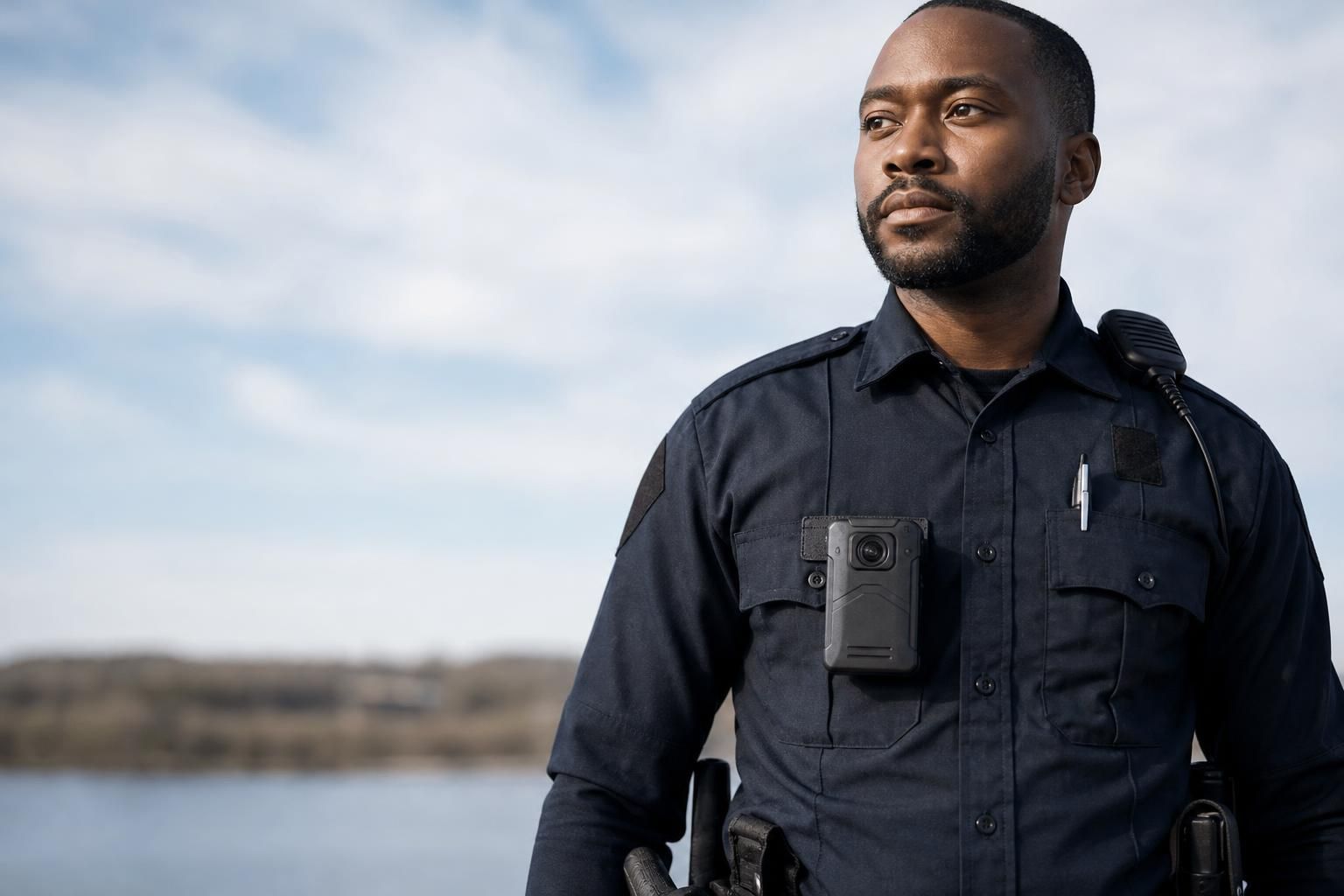
A body camera is a small, wearable device that records video (and often audio) from a first-person angle while clipped to clothing, a bag strap, or gear. Most everyday models are used for personal safety, documenting deliveries or repairs, or recording outdoor activities, and they differ from phone or action cameras mainly in how they're worn and positioned. Recording laws vary by state and country, so always check local rules before recording anyone else — this article is general information, not legal advice.
Key takeaways
- Recording consent laws differ by state — some require only one party to agree, others require everyone in the conversation to consent.
- A rotatable, 4K-capable camera gives you flexible angles without needing to hold a phone, which matters most for hands-free tasks.
- Before buying, decide whether you need the camera for personal use, work documentation, or outdoor activity, since that determines which features actually matter.
How Does a Body Camera Actually Work?
A body camera clips onto a shirt, jacket, or strap and records what's in front of the wearer, hands-free. The 4K Rotatable Body Camera records in 4K and has a rotatable body, so you can adjust the angle without repositioning your whole body — useful if you're walking, cycling, or doing a task where your hands need to stay free. Setup is designed to be simple: clip it on, power it up, and start recording.
If you're trying to decide between a dedicated body camera and other recording options you already own, this comparison of body cams and phone cameras breaks down when each makes more sense.
Is It Legal to Record With a Body Camera?
Recording laws in the United States fall into two broad categories: one-party consent states, where only one person in a conversation needs to agree to being recorded (and that can be the person doing the recording), and all-party consent states, where everyone being recorded must agree. According to the Reporters Committee for Freedom of the Press, roughly a dozen states — including California, Florida, and Illinois — require all-party consent, while the rest are one-party states. These rules can also differ for audio versus video, and for public versus private spaces, so it's worth checking your specific state's statute through a resource like Justia's state law library before recording in situations involving other people.
This is general information, not legal advice, and laws can change. If you're using a camera in a work setting specifically, this guide on recording at work covers additional employer-related questions.
What Features Actually Matter When Choosing One?
Buying criteria for body cameras generally include video resolution, how the camera mounts or rotates, battery life, storage capacity, and whether it has night vision or water resistance. Not every camera on the market offers all of these, and features vary significantly between models, so the right approach is to check a specific product's listing rather than assume a feature is included. For a breakdown of which of these criteria tend to matter most in practice, see this explainer on body camera features.
Body Camera vs. Other Recording Devices
Here's how body cameras generally compare to other common recording tools, based on how they're worn and used rather than specific specs:
| Device Type | Hands-Free | Typical Mounting | Common Use |
|---|---|---|---|
| Body camera | Yes | Clipped to clothing or strap | Personal safety, task documentation |
| Smartphone | No | Handheld or tripod | General recording, calls, photos |
| Action camera | Yes | Helmet, chest, or gear mount | Sports, outdoor activity |
| Dash cam | No (fixed) | Windshield or dashboard | Driving records |
If you're weighing a body camera against a GoPro-style action camera for outdoor use, this comparison goes into more detail on which fits different activities.
How Much Should You Expect to Pay?
Body camera prices vary widely depending on resolution, mounting style, and extra features like night vision or app connectivity. Rather than guessing at a budget, it helps to match price to actual need — a simple wearable for documenting daily tasks doesn't require the same spec sheet as a professional-grade unit. For a fuller price breakdown across different tiers, this buyer's price guide walks through what drives cost up or down.
What's the Difference Between a Body Camera and a Hidden Camera Detector?
These are two different tools with opposite purposes: a body camera is worn openly to record from the wearer's perspective, while a Hidden Camera Detector is used to find covert cameras that may have been hidden in a room, like a rental or hotel. Neither product is designed or intended for covertly recording another person without their knowledge. If you're trying to understand how these two tools serve different needs, this comparison lays out the distinction clearly.
Can You Use a Body Camera for Work Tasks?
Many people use body cameras to document deliveries, repairs, inspections, or fieldwork, since a hands-free, rotatable camera frees up both hands for the actual task. Some employers have their own policies about recording on the job, and some states have separate rules for workplace recording versus general public recording. Checking both your state's consent law and your employer's policy beforehand avoids problems later.
Frequently Asked Questions
Q: Do I need permission to wear a body camera in public?
In most one-party consent states, you generally don't need the other person's permission to record in public spaces, but all-party consent states require everyone being recorded to agree in certain situations. Rules differ by state and country, so check your local law before recording — this isn't legal advice.
Q: Can a body camera record audio as well as video?
Audio recording capability depends on the specific camera model, and claims about audio should be confirmed on the product listing rather than assumed. Check the 4K Rotatable Body Camera product page for what's actually included.
Q: Is it okay to use a body camera to secretly record someone?
No — body cameras are intended for open, hands-free recording, not covert surveillance of another person without their knowledge. Covert recording can also violate state or national consent laws, so it should be avoided.
Q: How is a body camera different from a dash cam?
A dash cam is fixed to a vehicle and records continuously while driving, while a body camera is worn on a person and moves with them. This makes body cameras better suited to walking, fieldwork, or activities away from a vehicle.
Q: What should I check before buying a body camera?
Decide what you'll primarily use it for — personal safety, work documentation, or outdoor activity — since that determines which features matter most. A buyer's checklist can help narrow down the decision based on your specific use case.