Body Camera for Dog Walkers: What to Look For and Why
Key takeaway
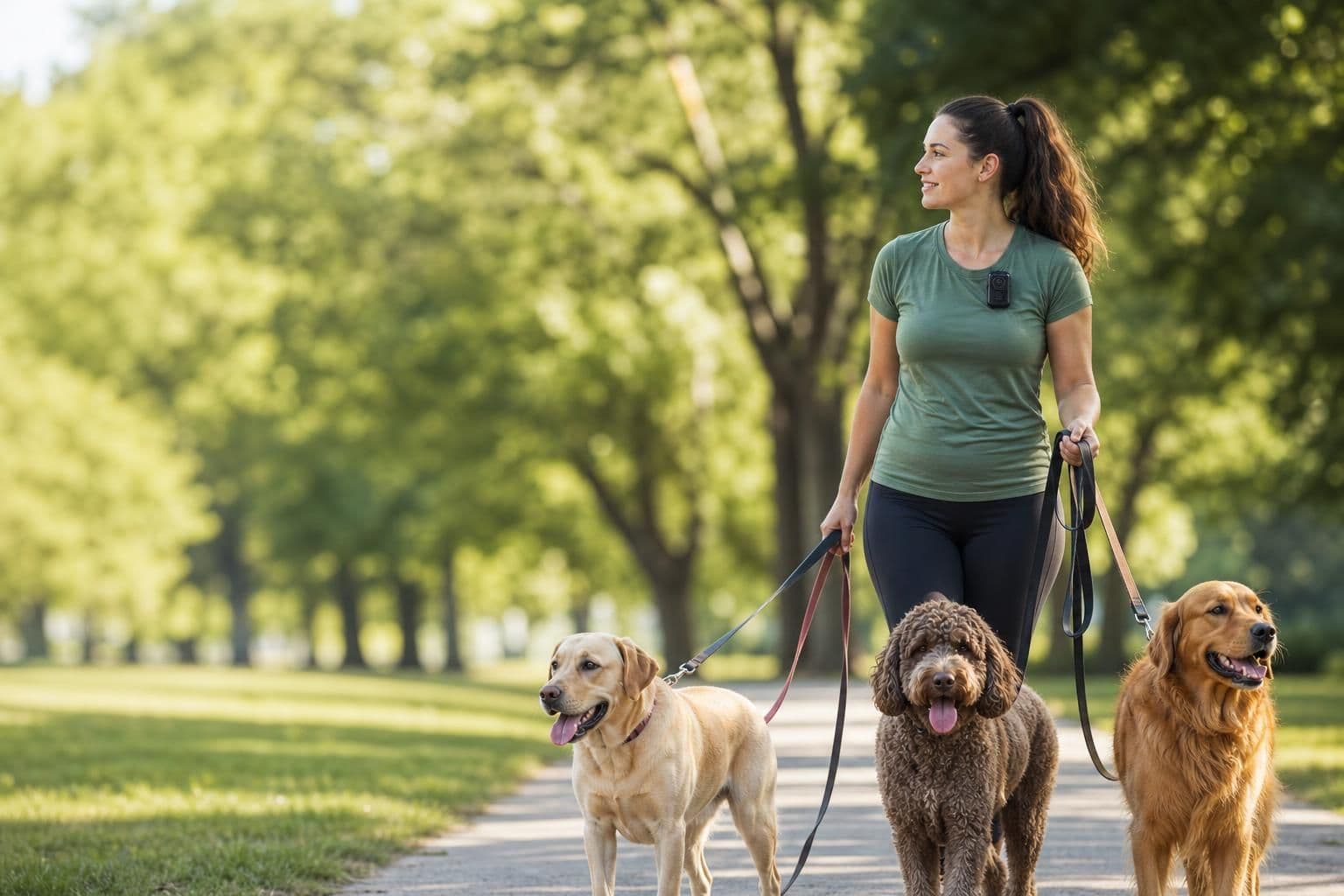
A body camera for dog walkers is a small wearable camera clipped to clothing or a harness strap that records video of walks, useful for documenting dog-on-dog incidents, aggressive animals, or disputes with other owners. The best fit for most walkers is a lightweight, hands-free camera with a rotatable body so the lens can be aimed without removing the unit. Laws on recording in public vary by state and country, so walkers should check local rules before filming people's faces or conversations.
Key takeaways
- Pick a hands-free, clip-on or chest-worn camera so both hands stay free for leashes and treats.
- A rotatable lens lets you reposition the angle without unclipping the camera mid-walk.
- Check your state's recording consent laws before using footage that includes identifiable people or conversations — rules differ widely.
Why dog walkers are turning to body cameras
Professional and casual dog walkers deal with loose dogs, off-leash parks, and the occasional confrontation with another pet owner. A camera that's already running when something happens is more useful than a phone buried in a pocket. For walkers managing multiple client dogs, having a timestamped video record can also help explain what happened if a client asks about a scuffle or an injury during the walk.
This mirrors why other service workers have started wearing cameras day to day — the same logic shows up in guides on body cameras for delivery and rideshare drivers and in advice written for contractors who want a simple, wearable record of each job.
What to actually check before buying
Not every "body camera" is built the same way, and dog walking has specific needs: you're moving constantly, often using both hands, and the camera needs to survive being bumped by an excited dog.
| What to look for | Why it matters for dog walking | Where to confirm it |
|---|---|---|
| Hands-free wearable design | Leashes, poop bags, and treats already occupy your hands | Product listing |
| Rotatable lens/body | Lets you reframe the shot without removing the clip | Product listing |
| Simple one-button operation | You need to start recording quickly, often one-handed | Product listing |
| Recording resolution | Clearer footage is easier to review later | Product listing |
| Battery life, storage, and durability | Varies by model and matters for full-day walking routes | Confirm directly on the specific product page |
General buying criteria like battery life, storage capacity, and water resistance are worth comparing across any camera you consider, but they differ by model — always check the actual product page rather than assuming a spec. The 4K Rotatable Body Camera is built around 4K recording, a rotatable body for flexible angles, and a wearable, hands-free format with simple operation, which covers the core mechanics dog walkers tend to want; details beyond that are listed on its product page.
If you're still deciding between a dedicated body camera and something like a GoPro-style action camera, the tradeoffs are laid out in this comparison of body cameras and action cameras.
How to wear one on a walk
Placement affects both the footage and your comfort. A camera clipped too low gets blocked by a swinging leash; one clipped too high can bounce with every step.
- Chest-height clips give a steady, forward-facing view that follows where you're looking.
- A rotatable design lets you angle the lens downward briefly to capture a dog's behavior on the ground, then back to eye level.
- Keep the mount point away from where a second leash or waist bag strap would cover the lens.
A full walkthrough of clip placement, angle adjustment, and setup is covered in this guide to wearing a body camera, and the mechanics of why a rotating lens helps in fast-changing situations are explained in this piece on rotatable body camera design.
Is it legal to record while dog walking?
This is general information, not legal advice, and laws vary by country and by U.S. state. In most U.S. states, it's legal to record video and audio in public spaces where there's no reasonable expectation of privacy, since at least one party (you) consents to any audio captured. However, about a dozen states require all parties to consent to audio recording, which can matter if your camera also captures nearby conversations — see the Reporters Committee for Freedom of the Press and Justia's state law library for state-by-state breakdowns. Video-only recording in public generally faces fewer restrictions than audio, but local park and leash ordinances can still apply.
Don't use a body camera to covertly record people in situations where they'd reasonably expect privacy, such as inside someone's home or yard. A broader rundown of what's allowed for everyday civilians is in this article on whether civilians can legally wear body cameras.
Who this fits — and who it doesn't
A body camera makes the most sense for dog walkers who handle multiple clients' dogs, work in off-leash or high-traffic areas, or have had a prior incident they wish they'd caught on video. If you only walk your own dog around a quiet neighborhood with no history of loose-dog encounters, a camera is a nice-to-have rather than a necessity — your money might go further on other gear.
For anyone managing a route with unpredictable dogs or unleashed animals, the appeal of the 4K Rotatable Body Camera is that it's built to be worn hands-free and adjusted on the move, without needing a phone out or a second device to manage.
Frequently Asked Questions
Q: Do dog walkers need a permit to wear a body camera?
No permit is required to wear a personal body camera in most U.S. states, since it functions like any other personal recording device. Some workplaces or client contracts may have their own policies, so professional dog walkers should check with employers or clients directly.
Q: Can I record other people's dogs and their owners during a walk?
In most public spaces, recording video is generally permitted, but audio recording rules depend on whether your state requires one-party or all-party consent — see the Reporters Committee for Freedom of the Press for details. This is general information, not legal advice.
Q: What resolution is good enough for identifying a dog or incident later?
4K recording generally provides enough detail to make out a dog's markings, a leash, or a license plate when reviewed afterward, though actual clarity also depends on lighting and distance. The 4K Rotatable Body Camera records at 4K; other specs should be confirmed on the product page.
Q: Where should I clip a body camera for dog walking?
Chest height is the most common placement because it follows your eye line and keeps the lens clear of leashes. Step-by-step placement advice is covered in this guide on wearing a body camera.
Q: Is a body camera better than just using my phone?
A hands-free body camera stays recording continuously without needing to be held, which matters when you're managing a leash, a dog, and possibly treats or waste bags at the same time. A phone can work in a pinch but requires a free hand to hold or aim it.