What to Look for in Kitchen Cabinet Installation Near You
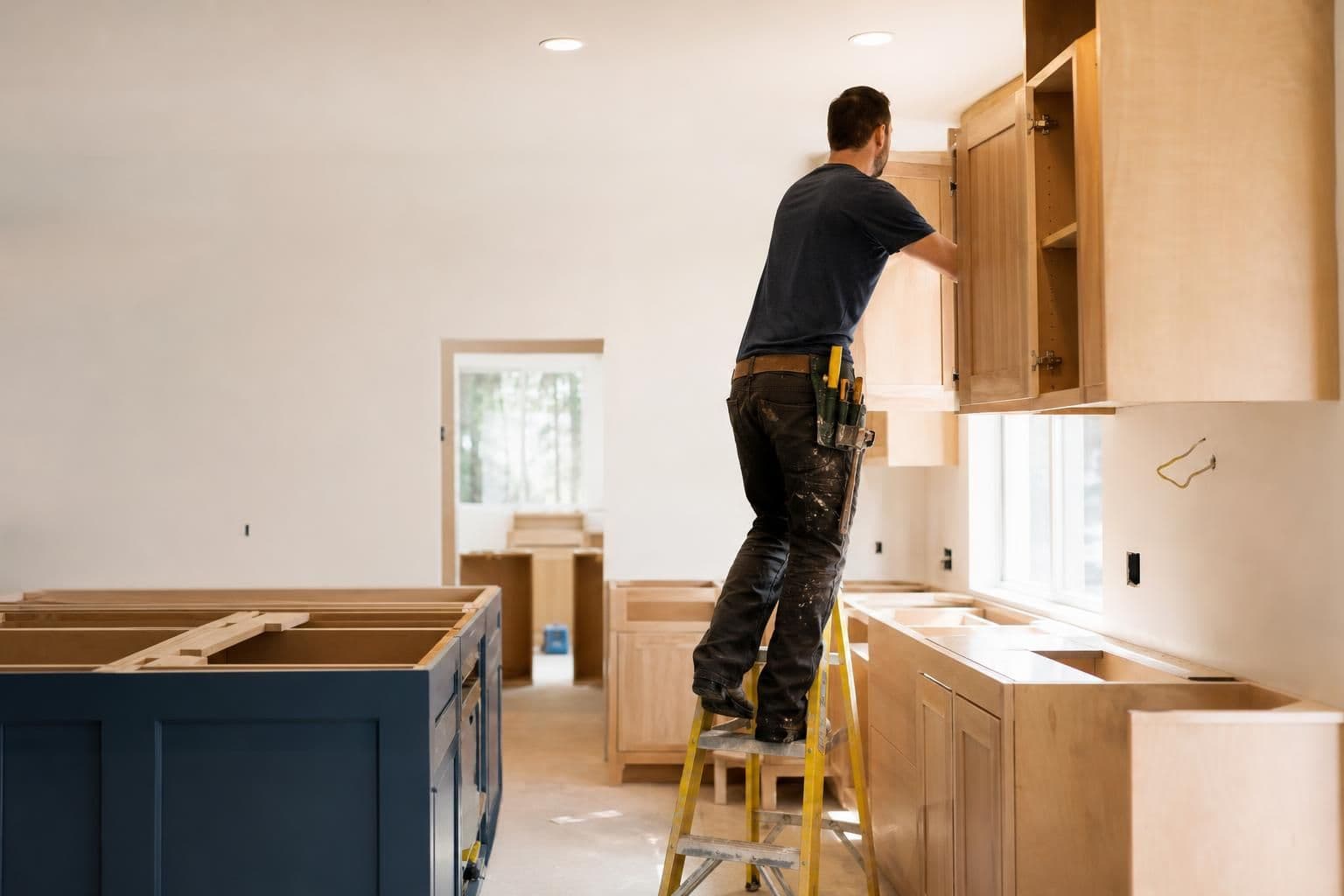
Key takeaway
If you're searching for kitchen cabinet installation near me on Oahu, the short answer is: look for a local company that measures your space in person, builds or sources cabinets rated for humidity and salt air, and carries its own installation crew rather than subcontracting blind. A good installer should offer a free in-home consultation, show you cabinet construction (box material, hinge hardware, moisture seals) before you commit, and give you a realistic timeline that accounts for shipping delays common to island projects.
Key takeaways
- Choose an installer who does an in-home measurement and checks for moisture, termite, or structural issues before quoting the job.
- Ask specifically about cabinet box material and hinge hardware — humidity and salt air cause more cabinet failures in Hawaii than normal wear does.
- Expect island shipping and labor costs to run above mainland averages; get a written local quote rather than relying on a generic online estimate.
Why Local Installation Matters More in Hawaii
Cabinets installed on Oahu face conditions a mainland installer rarely plans for: year-round humidity, salt-laden air near the coast, and heavy rainy-season moisture that can seep into walls behind sinks and dishwashers. A installer unfamiliar with these conditions may use standard particleboard boxes or basic hinges that swell, rust, or warp within a couple of years. Local installers who work on Oahu regularly build in moisture barriers, corrosion-resistant hardware, and proper ventilation gaps as standard practice, not an upsell. The EPA's guidance on moisture and mold control notes that indoor relative humidity above 60% significantly accelerates material degradation — a baseline many Oahu kitchens exceed for months at a time without dehumidification.
What a Professional Installation Process Actually Looks Like
A straightforward process helps you compare installers fairly. Most reputable kitchen cabinet installations on Oahu follow a similar sequence:
- In-home measurement and consultation — a technician measures walls, checks for level floors, and notes plumbing or electrical obstructions.
- Design and material selection — you choose cabinet style (shaker, slab, contemporary), finish, and hardware, often with a 3D visualizer to preview the layout.
- Ordering and lead time — cabinets are built or shipped in; island freight can add weeks compared to mainland timelines, so ask for a written delivery estimate upfront.
- Demo and prep — old cabinets are removed, and the installer checks the wall cavity for existing moisture or termite damage before closing it back up.
- Installation and leveling — boxes are secured to studs, doors and drawers are hung and adjusted, and hardware is attached last.
- Final walkthrough — doors should close flush, drawers glide without sticking, and seams should be sealed where cabinets meet countertops or backsplash.
Skipping step 4 is one of the most common mistakes homeowners run into — reusing a wall with hidden moisture damage guarantees problems within a year or two, regardless of how good the new cabinets are.
Signs an Installer Is Cutting Corners
Before hiring anyone for cabinet installation, watch for these red flags:
- No in-person measurement — a quote based only on photos or a floor plan is a guess, not a plan.
- Vague answers about box material (ask specifically: plywood, MDF, or particleboard core).
- No mention of hinge or hardware brand — standard steel hinges corrode faster in salt air than nickel-plated or stainless options.
- Reluctance to show past installation photos from Oahu or similarly humid climates.
- Pressure to sign before a written, itemized quote is provided.
If you're deciding between keeping your existing boxes or starting fresh, it's worth reading through cabinet refacing versus full replacement before you get quotes, since the right answer changes what "installation" even involves.
Matching Cabinet Material to Island Conditions
Not every cabinet line sold on the mainland performs well in Hawaii. Solid wood species that aren't properly sealed can swell and stick in humid months, while low-grade particleboard boxes delaminate if moisture reaches the edges. Look for cabinets built with moisture-resistant cores, factory-sealed edges, and hardware rated for coastal or marine-adjacent environments. The National Kitchen & Bath Association publishes general cabinet construction standards that are a useful baseline when comparing quotes, even though island-specific humidity performance goes beyond what national standards require. If you want a deeper look at which lines actually hold up locally, cabinet brands built for humid climates is a good next read.
Termites, Moisture, and What Installers Should Check First
Hawaii's climate supports termite activity that many mainland installers never have to think about. Before any new cabinet installation, ask whether the installer inspects the wall cavity and sill plate for termite damage or active moisture — not just the cabinet area itself. The University of Hawaii College of Tropical Agriculture and Human Resources has documented how both subterranean and drywood termites remain active across Oahu year-round, which is why cabinet installers here routinely recommend treated or moisture-sealed boxes rather than assuming untreated wood will hold up. If swelling or sticking doors are already an issue in your current kitchen, preventing cabinet doors from swelling covers the maintenance side of this same problem.
Condo and Rental Considerations
If you're installing cabinets in a condo or vacation rental, factor in building rules most single-family installers won't ask about: elevator reservation windows, HOA-approved work hours, and whether cabinet deliveries need to go through a service entrance. Rental owners should also prioritize hardware and finishes that tolerate frequent cleaning and higher humidity from guest turnover, since these units often see less consistent air conditioning than owner-occupied homes. For layout inspiration specific to island kitchens, cabinet ideas built for island homes covers configurations that work well in smaller condo footprints.
Questions to Ask Before You Hire
A short list of questions during your first call or consultation tells you a lot:
- Do you measure on-site before quoting, or only estimate remotely?
- What cabinet box material and hinge hardware do you install standard?
- How do you handle existing moisture or termite damage found during demo?
- What's your current lead time for ordering and installing cabinets?
- Can I see a 3D rendering or sample door before I commit?
Frequently Asked Questions
Q: How long does kitchen cabinet installation typically take?
Installation itself usually takes a few days to about a week for a full kitchen, depending on layout complexity and whether electrical or plumbing work is needed. Ordering and shipping cabinets to Oahu often takes longer than the install itself, so build that lead time into your overall renovation schedule.
Q: Should I replace cabinets or just reface them?
Refacing works well when the existing boxes are structurally sound and moisture-free, while full replacement makes more sense if there's water damage, termite activity, or you want a different layout. A local installer should inspect the boxes before recommending either option rather than defaulting to a full replacement quote.
Q: What cabinet material holds up best in Hawaii's humidity?
Cabinets with moisture-resistant cores, factory-sealed edges, and corrosion-resistant hardware perform best in Hawaii's humidity and salt air. Standard particleboard boxes with basic steel hardware are more likely to swell, delaminate, or rust within a few years.
Q: Do I need a permit for cabinet installation in Honolulu?
Straightforward cabinet replacement typically doesn't require a permit, but a remodel that involves moving plumbing, electrical, or structural walls usually does. Check with the City and County of Honolulu's permitting office before work begins if your project goes beyond a like-for-like cabinet swap.
Q: Why do Hawaii cabinet installation costs run higher than mainland quotes I've seen online?
Materials and cabinet boxes have to be shipped to the islands, and labor rates in Honolulu are generally higher than many mainland markets, which pushes overall project costs up. A local, written quote based on your actual kitchen is the only reliable way to know what your installation will cost.