Dog Hoodie vs Sweater: Which Is Warmer?
Key takeaway
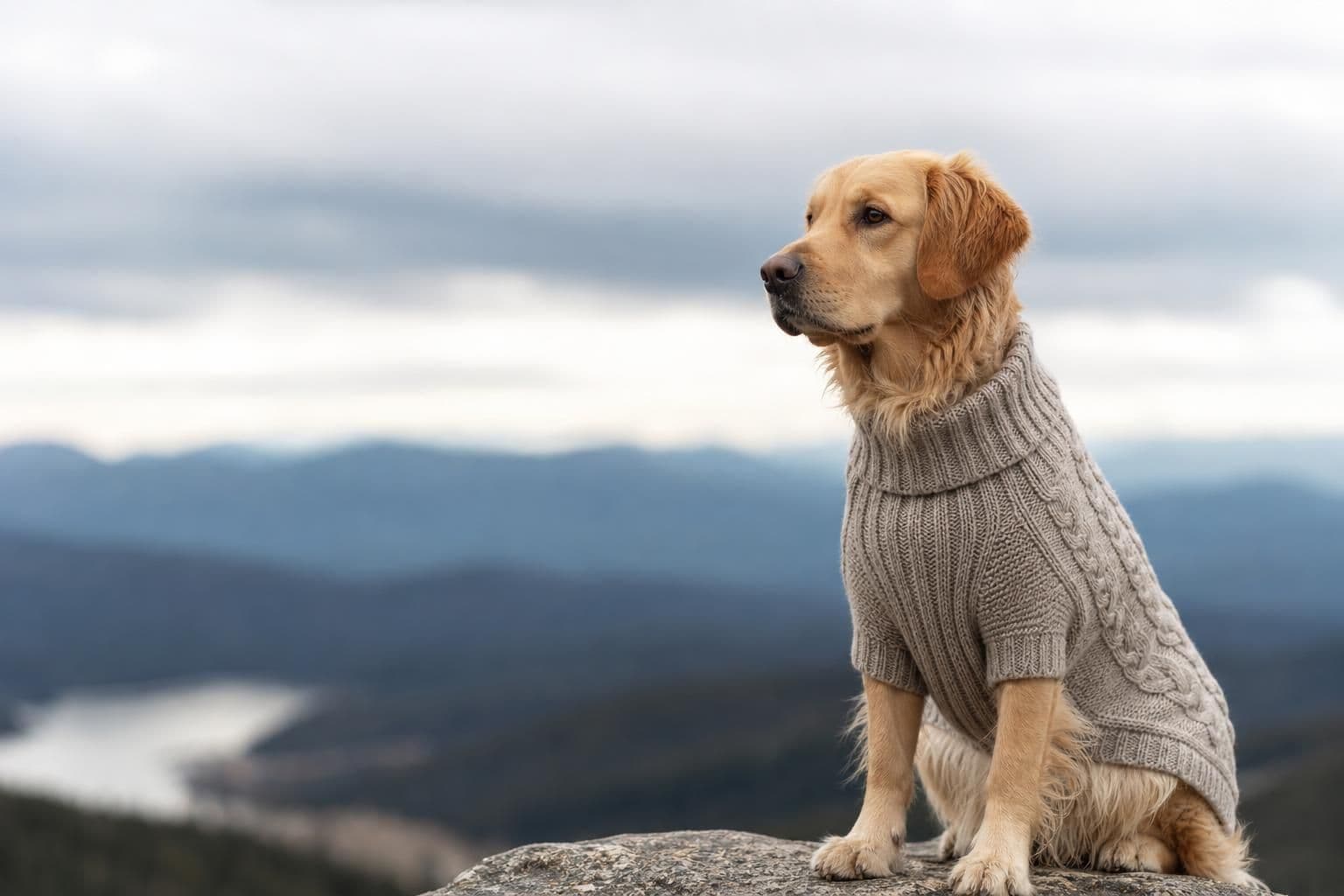
A dog hoodie is generally warmer than a standard knit sweater because it's usually made from thicker fleece or cotton-blend fabric and covers more of the neck and head area, while a sweater's warmth depends entirely on how tightly it's knit. For genuinely cold, windy, or wet conditions, a hoodie with a snug hood and longer body will trap more heat than a thin or loosely knit sweater. The real answer depends less on the label and more on fabric weight, coverage, and how the garment fits your dog's actual measurements.
Key takeaways
- Fabric weight and knit density matter more than the "hoodie" or "sweater" label itself.
- Hoodies typically add extra warmth around the neck and ears; sweaters vary widely by yarn thickness.
- A poor fit — too loose or too tight — cancels out any warmth advantage, so measure before buying.
What Actually Makes a Garment Warmer
Warmth in pet apparel comes down to three factors: fabric type, thickness, and body coverage. A tightly knit acrylic or wool-blend sweater can trap as much heat as a mid-weight hoodie, while a thin cotton hoodie meant for indoor wear may offer less insulation than a chunky cable-knit sweater. Coverage matters too — garments that extend down the belly and legs reduce heat loss compared to short-bodied designs that leave the torso exposed.
Dogs also lose heat fastest through areas with less fur and fat, including the ears, paws, and belly, which is why a hood or higher neckline often makes a noticeable difference for small or short-coated breeds.
Hoodies: Strengths and Limitations
Hoodies tend to use heavier fabrics like fleece-lined cotton or brushed jersey, and the attached hood can shield the ears and head from wind. This makes them a solid choice for breeds with short coats — Chihuahuas, French Bulldogs, Italian Greyhounds — that struggle to regulate body heat outdoors.
The tradeoff is fit. A hood that's too tight can restrict ear movement or hearing; one that's too loose slides off and stops doing its job. Because hood and neck proportions vary so much between breeds, checking a chest and neck measurement before buying matters more here than with a simple sweater.
Sweaters: Strengths and Limitations
Sweaters are typically easier to get on and off, which helps with dogs who dislike being dressed, and they layer well under a coat for extra insulation on very cold days. Knit sweaters also flex more with movement, which some owners find more comfortable for active dogs.
The downside is inconsistency — "sweater" covers everything from thin acrylic knits to heavy wool blends, so warmth can't be assumed from the category alone. A lightweight knit sweater is often closer to a light jacket than genuine cold-weather protection.
Side-by-Side Comparison
| Feature | Dog Hoodie | Dog Sweater |
|---|---|---|
| Typical fabric | Fleece-lined cotton, brushed jersey | Acrylic, wool blend, cotton knit |
| Head/neck coverage | Hood covers ears and neck | Usually neck only |
| Best for | Short-coated breeds, wind, brisk walks | Mild cold, indoor layering, easy dressing |
| Ease of dressing | Slightly more involved (hood placement) | Generally quicker to put on |
| Warmth consistency | More predictable across styles | Varies widely by knit thickness |
Sizing Is the Real Warmth Factor
Neither a hoodie nor a sweater keeps a dog warm if it doesn't fit properly. A garment that gaps at the chest lets cold air in; one that's too tight compresses the coat and reduces its natural insulating loft. This is why Ziva Paws lists every clothing item by actual chest, neck, and back-length measurements in inches rather than generic S/M/L labels — a "medium" from one brand can differ by several inches from another. If you're unsure how to take those measurements at home, this step-by-step guide to measuring your dog walks through the three key points before you shop.
Our cats Ai and Dudu don't need coats, but we've applied the same fit-first approach across the dog clothing line — checking that hoods sit naturally and hems don't ride up when a dog walks or lies down, since a garment that shifts out of place stops insulating where it's needed most.
When to Choose Each One
- Choose a hoodie for daily winter walks, breeds with minimal undercoat, or dogs who spend time in wind or drizzle.
- Choose a sweater for mild climates, indoor-to-outdoor transitions, or as a base layer under a waterproof coat on the coldest days.
- Combine both approaches by layering a thin sweater under a hooded coat during sustained cold snaps, similar to how the American Kennel Club recommends assessing coat type and cold tolerance before choosing winter gear.
Cold isn't just an outdoor concern — anxious or senior dogs often benefit from consistent warmth indoors too, and a well-insulated bed can matter as much as a garment; see our guide to cozy bedding for anxious dogs for related fit and comfort considerations.
Practical Signs a Garment Is Too Cold or Too Hot
Watch for shivering, tucked tail, or reluctance to walk as signs the current layer isn't warm enough. On the other end, excessive panting, seeking shade, or trying to remove the garment can indicate overheating — a real risk with heavy hoodies on milder days. The ASPCA notes that cold tolerance varies significantly by breed, age, and coat type, so the same garment can be right for one dog and wrong for another.
Frequently Asked Questions
Q: Is a hoodie always warmer than a sweater for dogs?
Not always — a thick, tightly knit sweater can be warmer than a thin hoodie. As a category, hoodies tend to run warmer due to heavier fabric and hood coverage, but individual garments vary.
Q: Do short-haired dog breeds need a hoodie instead of a sweater?
Short-coated breeds often benefit from the extra neck and ear coverage a hood provides, especially in wind or damp conditions. A heavy sweater without a hood can still work well if it covers the chest and back adequately.
Q: How do I know what size hoodie or sweater to buy?
Measure your dog's neck, chest, and back length in inches rather than relying on breed-based size charts, since builds vary widely even within one breed. Compare those numbers directly against the brand's inch-based chart rather than guessing from S/M/L labels.
Q: Can a dog overheat in a hoodie indoors?
Yes — heavy fleece-lined hoodies designed for outdoor cold can cause overheating if left on indoors or during exercise. Watch for heavy panting or attempts to remove the garment as signs it's time to take it off.
Q: Are sweaters or hoodies better for senior dogs?
Senior dogs often regulate temperature less efficiently, so consistent coverage matters more than the specific style. A well-fitted sweater layered under a hooded coat can offer flexible warmth without overheating during short bursts of activity.