Why Does My Cat Only Eat Wet Food?
Key takeaway
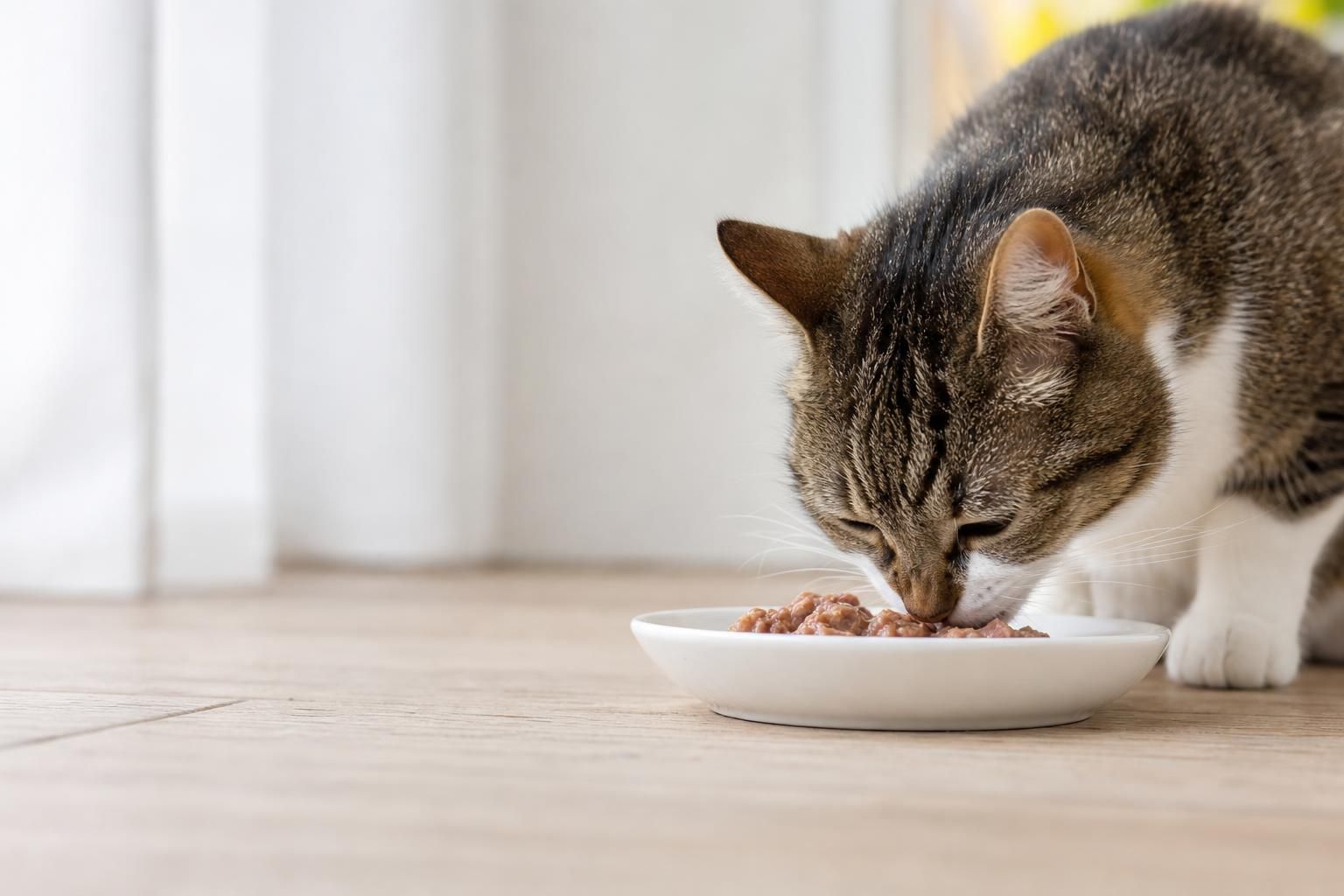
Most cats favor wet food because it mimics the moisture, texture, and strong smell of natural prey, which triggers their instinct to eat, while dry kibble can feel bland and dehydrating by comparison. This preference often starts in kittenhood or after an illness, and it can become a fixed habit if a cat is never offered variety. In most cases it's a preference issue rather than a medical one, but a sudden refusal of all dry food warrants a closer look if it's a new change.
Key takeaways
- Wet food's higher moisture (around 70-80%) and stronger aroma appeal more to a cat's hunting instincts than dry kibble.
- A sudden, new refusal to eat kibble — especially with other symptoms — should prompt a vet check for dental pain or illness.
- If you want to introduce variety, transition gradually over 7-10 days to avoid stomach upset.
It Often Comes Down to Smell, Texture, and Moisture
Cats are obligate carnivores with a sense of smell far more sensitive than humans, and food odor plays a huge role in whether they'll eat at all. Wet food releases more aroma at room temperature than dry kibble, which can make it the only thing that registers as "food" to a cat with a weaker appetite. Texture matters too — some cats dislike the hard, crunchy feel of kibble and prefer the soft, meat-like consistency of canned or pouch food.
In the wild, a cat's prey is roughly 70-75% water, and wet food is formulated to sit in a similar range, while dry kibble is typically only around 6-10% moisture. This means cats that eat only wet food are often simply following an instinct to get hydration from their meal rather than from a water bowl — a pattern explained well by the Cornell Feline Health Center.
Early Life Habits Shape Lifelong Preferences
Kittens develop food preferences early, often between 2 and 7 months old, and what they're fed consistently during that window can stick for life. A cat raised primarily on wet food may never develop a taste for kibble's texture, while one introduced to both early on is more likely to accept either. This is one reason shelters and breeders are sometimes encouraged to offer a rotation of textures during the socialization period.
When It's a Medical Issue, Not a Preference
A cat that used to eat dry food and suddenly stops may be dealing with dental pain, nausea, or another underlying issue rather than simple pickiness. Common medical reasons include:
- Dental disease or a broken tooth making crunching painful
- Nausea from kidney disease, which often makes dry food particularly unappealing
- Upper respiratory infections that dull smell and reduce appetite for drier, less aromatic food
- General illness or pain that lowers interest in eating altogether, similar to the way a dog's sudden food refusal often points to something beyond taste
If your cat's shift away from kibble is sudden, paired with weight loss, bad breath, vomiting, or lethargy, it's worth a veterinary visit rather than assuming it's just a preference change.
Is an All-Wet-Food Diet a Problem?
A wet-food-only diet is not inherently unhealthy, as long as the food is a complete and balanced formula labeled as meeting standards set by the AAFCO (Association of American Feed Control Officials). Complete wet foods contain the same nutrient categories as kibble — protein, fat, vitamins, and minerals — just in a higher-moisture form. The main practical considerations are cost (wet food is generally more expensive per calorie) and dental health, since chewing dry kibble can offer some mechanical cleaning action that wet food does not.
If you're trying to offer both textures for variety or backup, a slow feeder bowl can help slow down enthusiastic wet-food eaters, and a reliable stainless or ceramic bowl set from the feeding collection makes it easier to keep wet and dry portions separate and fresh.
How to Offer Variety Without Upsetting Their Stomach
If you'd like your cat to at least tolerate some dry food — for travel, cost, or dental reasons — a slow transition works better than swapping foods outright. Mix a small amount of the new food into their usual wet food, increasing the ratio gradually over 7 to 10 days. This same gradual approach is the standard advice for switching cat food without stomach issues, since abrupt diet changes are a common cause of vomiting or loose stool in cats.
At Ziva Paws, our resident cats Ai and Dudu have been picky in opposite directions — one leans toward wet food almost exclusively, the other will graze on kibble all day — which is a good reminder that preference varies cat to cat even within the same household.
Hydration and Wet Food Go Together
Cats evolved from desert ancestors and have a naturally low thirst drive, meaning many don't drink enough water on their own to make up for a dry diet. This is part of why some cats seek out moisture elsewhere, including from drinking out of the toilet or a dripping faucet, which often improves once more moisture comes from their food. An automatic water fountain can also encourage cats to drink more, since many prefer moving water over a still bowl.
When to Call the Vet
Reach out to your veterinarian if your cat refuses all food (wet or dry) for more than 24 hours, since cats can develop a serious liver condition called hepatic lipidosis from even short periods without eating. Also seek guidance if the food refusal is paired with drooling, pawing at the mouth, weight loss, or noticeable lethargy, since these can point to dental, metabolic, or systemic issues that need professional diagnosis.
Frequently Asked Questions
Q: Is it bad for a cat to eat only wet food?
No, as long as the wet food is labeled complete and balanced, it can fully meet a cat's nutritional needs. The main trade-offs are typically higher cost per meal and less of the mechanical chewing action that dry kibble provides for teeth.
Q: Why won't my cat touch dry food at all?
This is usually a learned preference from early feeding habits, combined with dry food's lower moisture and milder smell compared to wet food. If the refusal is sudden in an adult cat that used to eat kibble, dental pain or illness should be ruled out first.
Q: Can I force my cat to eat dry food again?
You shouldn't force it, but you can encourage acceptance by mixing a small amount of dry food into their wet food and slowly increasing the ratio over about a week. Going cold turkey on a food switch often causes digestive upset.
Q: Does wet food help with hydration?
Yes, wet food's moisture content (roughly 70-80%) contributes significantly to a cat's daily water intake, which matters because cats naturally have a low thirst drive. This is one reason some cats on all-dry diets seek water from unusual sources like faucets or toilets.
Q: How long can a cat safely go without eating?
Cats should not go without food for more than 24 hours, since prolonged fasting can trigger a serious liver condition called hepatic lipidosis. If your cat skips meals for a full day, contact your veterinarian promptly.