One-Party Consent States: What the Law Actually Says
Key takeaway
One-party consent states are places where only one person involved in a conversation needs to agree to it being recorded — and that person can be the one doing the recording. Most U.S. states follow this rule, while a smaller group require all parties to consent, often called two-party or all-party consent states. Because these laws vary by state and even by context (phone calls vs. in-person conversations), this is general information, not legal advice.
Key takeaways
- Most U.S. states are one-party consent states, meaning you can legally record a conversation you're part of without telling the other person.
- A minority of states — generally cited as around 11–13 — require all parties to consent before a recording is legal.
- Federal law (the Wiretap Act) sets a one-party consent baseline for interstate calls, but state law can impose stricter rules.
What "One-Party Consent" Actually Means
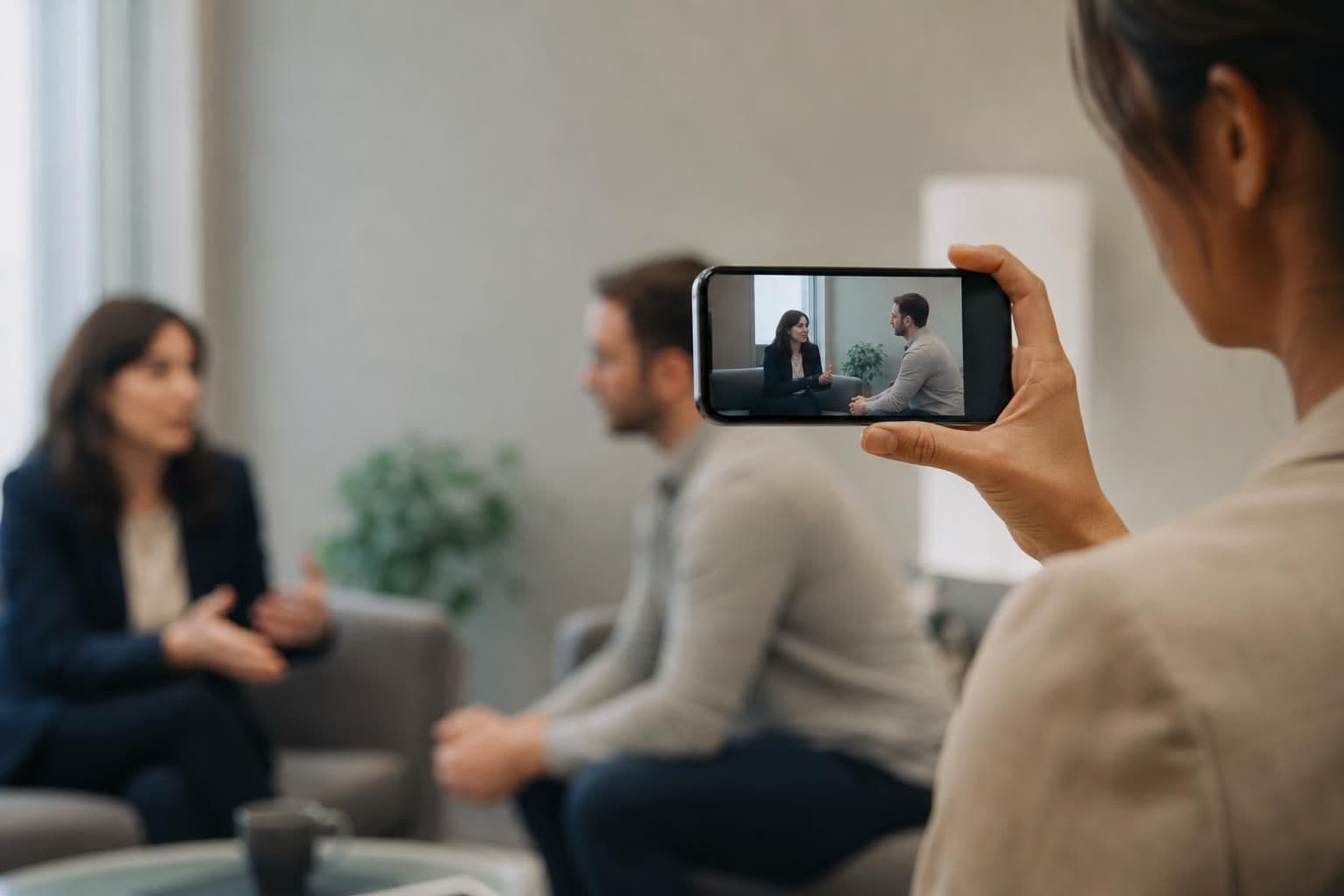
In a one-party consent state, if you're a participant in a conversation, you can record it even if the other person doesn't know. The law doesn't require everyone's permission — just one person's, and that person can be you. This applies to phone calls, in-person conversations, and in some cases video with audio.
This differs sharply from all-party consent states, where every person being recorded must agree first. Recording someone without that consent in those states can expose you to civil liability or criminal charges, depending on the state's statute.
Federal Law vs. State Law
The U.S. federal wiretapping statute, part of the Electronic Communications Privacy Act, sets a one-party consent standard for communications that cross state lines. But states are free to set stricter rules for conversations within their own borders, and many have. That's why the same phone call can be legal to record if placed from a one-party state but risky if the other party is physically in an all-party state — courts have handled this inconsistently, which is part of why legal guidance on cross-state calls is so murky. The Reporters Committee for Freedom of the Press maintains a state-by-state guide to recording laws that's a useful starting reference for exactly this kind of jurisdictional overlap.
Quick Comparison: One-Party vs. All-Party Consent
| Feature | One-Party Consent | All-Party (Two-Party) Consent |
|---|---|---|
| Who must agree | Just one participant (can be the recorder) | Every participant in the conversation |
| Typical state count | Majority of U.S. states | Roughly a dozen states |
| Common examples cited | New York, Texas, Ohio | California, Florida, Illinois, Washington |
| Risk of recording without telling others | Generally lower, but still context-dependent | Higher — may be a civil or criminal violation |
| Applies to | Calls and in-person talks the recorder is part of | Same, but needs everyone's go-ahead |
State classifications do shift as legislatures amend statutes, so always check a current legal reference like Justia's state law library or your state bar association before relying on an older list.
Why This Matters for Everyday Recording
People run into these rules more often than they expect — a tenant documenting a landlord dispute, a rideshare driver recording passengers for safety, or someone wearing a body camera during deliveries or dog walks. The legal question isn't really about the device; it's about whether the conversation being captured requires everyone's consent in that state. If you're thinking about wearing a body camera for work or daily errands, it's worth reading what the law says about civilians wearing body cameras before you start recording in shared or public spaces.
Audio is usually the trickier part of consent law — video alone, in public, is treated differently in most states than audio captured without permission. This is a common sticking point for rideshare drivers specifically, since passenger conversations happen inside a private vehicle; there's a dedicated breakdown of whether body cams are legal for rideshare drivers that goes further into that scenario.
Practical Habits That Reduce Legal Risk
- Check your state's specific statute, not just a general list, since classifications can be nuanced (some states differentiate between in-person and electronic communication).
- Default to disclosure when recording someone who doesn't know — a simple verbal heads-up avoids most disputes even in one-party states.
- Separate video from audio in your thinking — many state laws treat recorded conversation audio more strictly than silent video.
- Avoid recording in spaces with a reasonable expectation of privacy, such as bathrooms or changing rooms, regardless of consent law, since separate statutes often cover those spaces explicitly.
- Document the purpose of your recording (safety, documentation, work records) since intent can matter if a recording is ever challenged.
The Bureau of Justice Assistance also publishes guidance relevant to recording and surveillance technology use by non-law-enforcement personnel, which is a helpful secondary reference if you're using a camera for home security or small business purposes, such as landlords documenting property conditions — a use case covered in more detail in what landlords should know before buying a body camera.
Where a Body Camera Fits In
None of this changes based on the hardware — a phone, dash cam, or wearable camera is treated the same under consent law. If you're shopping for a wearable option, the 4K Rotatable Body Camera offers 4K recording and a rotatable body for adjusting your angle hands-free, which suits documentation use cases like deliveries, dog walks, or work records. It is not intended or marketed for covertly recording someone without their knowledge, and consent requirements still apply based on where you're using it.
Frequently Asked Questions
Q: What states require all-party consent to record a conversation?
States commonly cited as all-party consent include California, Florida, Illinois, and Washington, among others. Always verify against a current legal source like Justia or the Reporters Committee for Freedom of the Press, since statutes can be amended.
Q: Is it legal to record a phone call if I'm in a one-party state but the other person is in an all-party state?
This is genuinely unsettled in some cases, and courts have applied different standards depending on jurisdiction. Treat cross-state calls cautiously and consider disclosing the recording to avoid disputes; this is general information, not legal advice.
Q: Does one-party consent apply to video as well as audio?
Consent laws primarily target audio recording of conversations; silent video in public is generally treated differently and is less regulated in most states. Audio captured alongside video is usually what triggers consent requirements.
Q: Can I record my landlord or employer without telling them?
In a one-party consent state, you generally can if you're a participant in the conversation, but workplace policies or lease agreements may add separate restrictions. Check both your state's law and any contract you've signed.
Q: Does wearing a body camera openly count as consent?
Visibly wearing a camera may put others on notice, but it doesn't automatically satisfy legal consent requirements in an all-party state. The safest approach is a verbal heads-up when recording a private conversation, regardless of the device.