How to Layer Dog Clothes for Extreme Cold
Key takeaway
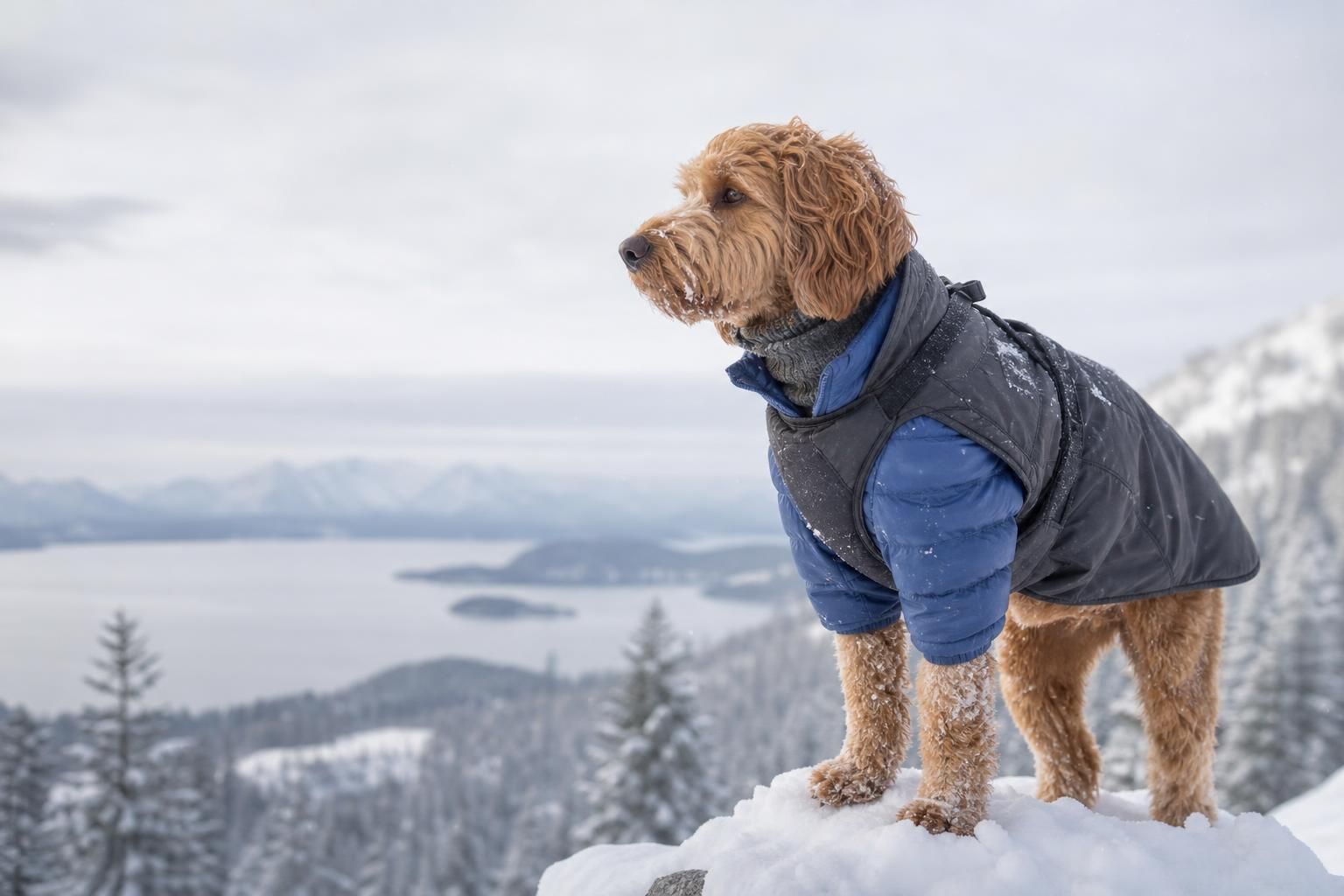
To layer a dog for extreme cold, start with a thin, snug base layer that traps body heat against the skin, add a mid-layer like a fleece-lined sweater or hoodie for insulation, and finish with a waterproof, wind-blocking outer coat that covers the chest and belly. The goal is warmth without restricting movement or circulation, and each layer should be sized by actual body measurements rather than a generic S/M/L label. Short-haired, small, senior, and thin-coated dogs need all three layers in freezing, windy, or wet conditions; thick double-coated breeds often only need the outer shell.
Key takeaways
- Layer thin-to-thick: base layer for warmth retention, mid-layer for insulation, outer shell for wind and water resistance.
- Measure chest, neck, and back length in inches before buying anything — a loose coat lets cold air in, a tight one restricts breathing and blood flow.
- Watch for shivering, tucked tail, or lifting paws repeatedly; these mean it's time to go inside, not add another layer.
Why One Coat Usually Isn't Enough Below Freezing
A single sweater or coat traps a layer of warm air near the skin, but wind cuts through that layer quickly, and snow or sleet soaks through most single-layer fabrics within minutes. Layering works the same way it does for humans: each layer holds its own pocket of warm air, and the outer layer blocks wind and moisture from reaching the layers underneath. According to the American Veterinary Medical Association, dogs with short coats, low body fat, or health conditions like arthritis are at higher risk of cold-related injury and often need extra insulation outdoors even for short walks.
The Three-Layer System
Base layer: A thin, close-fitting shirt or bodysuit sits directly against the skin and holds in body heat without adding bulk. This layer matters most for dogs with thin or clipped coats, since it replaces some of the insulation they're missing.
Mid-layer: A fleece-lined sweater, hoodie, or knit pullover goes over the base layer and adds the bulk of the warmth. Look for a mid-layer that covers the back and belly without bunching at the shoulders, since bunching restricts the shoulder's range of motion during a walk.
Outer shell: A waterproof or water-resistant coat with wind-blocking fabric goes on last, ideally one that covers from the neck to the base of the tail and has leg straps or a belly panel to stop it from riding up. This is the layer doing the real work in wind, snow, or freezing rain — fabric that isn't wind-resistant won't stop heat loss no matter how thick it feels.
A hoodie or dress from a clothing collection sized by chest, neck, and back length in inches works well as a mid-layer because it's easier to tell whether it will actually fit under a bulkier outer coat, rather than guessing from a size label.
Getting the Fit Right Before You Layer
Layering only works if each piece fits properly underneath the next one. A base layer that's too tight restricts circulation; a mid-layer that's too loose lets cold air pool inside instead of trapping it. Measure three things before buying any layer:
- Chest girth — the widest part behind the front legs, measured snugly but not tight.
- Neck circumference — where a collar would normally sit.
- Back length — from the base of the neck to the base of the tail.
Because layers stack on top of each other, it helps to size the mid-layer slightly roomier than the base layer and the outer shell roomier still, so nothing pulls or pinches at the shoulders. This is one of the main reasons inch-based sizing charts work better than generic small/medium/large tags for layering — a "medium" sweater from one brand can be a snugger fit than a "medium" from another, and that inconsistency becomes a real problem once you're stacking three garments. Ziva Paws' own cats, Ai and Dudu, test fit and range of motion on every new clothing item before it's listed, which is part of why sizing is checked in inches rather than letter sizes.
If your dog has a long or thick coat, fit gets trickier because fur adds bulk that letter sizes don't account for — this guide on putting a sweater on a long-haired dog walks through how to measure over the coat rather than against it.
Signs a Dog Is Cold Even While Layered
Shivering is the most obvious sign, but it's often a later-stage signal rather than an early one. Earlier cues include lifting one paw at a time off cold ground, a tucked or lowered tail, slowing down or stopping on a walk, and seeking out sun or shelter. The American Kennel Club notes that cold tolerance varies widely by breed, coat type, and body size, so the same temperature can be comfortable for one dog and risky for another. If a layered dog still shows these signs, the fix is usually shorter outdoor time, not more clothing.
Shaking or trembling right after a coat goes on isn't always about cold — sometimes it's about an unfamiliar feeling of restriction or a fit that's off. If that happens consistently, it's worth reading through why some dogs shake after putting on a coat before assuming the temperature is the cause.
Extra Protection for Paws and Neck
Layering clothing helps the torso, but paws and the neck/chest area lose heat fast too. Booties protect paw pads from ice, salt, and frostbite risk, while a scarf or neck layer adds a bit of extra warmth around an area with less fur coverage on many breeds. The National Weather Service publishes wind chill charts showing how quickly exposed skin and tissue can be affected by wind combined with cold — the same wind that drops the "feels like" temperature for people does the same to exposed paws and noses on dogs. For guidance on picking a warm, practical scarf as part of the layering system, see this breakdown of what to look for in a winter dog scarf.
After the Walk: Drying and Storage
Wet layers against the skin pull heat away from the body faster than being bare in some conditions, so towel-drying a damp base layer immediately after a snowy walk matters as much as the walk itself. A quick-dry pet towel from a grooming collection speeds this up before the dog settles onto bedding, which also helps keep damp fur from soaking into a dog bed overnight.
Frequently Asked Questions
Q: How cold is too cold for a dog without layered clothing?
There's no single number that applies to every dog — small, short-haired, senior, or thin-coated dogs can start showing discomfort well above freezing, while thick double-coated breeds may be fine in freezing temperatures for short periods. Watching behavior (shivering, slowing down, lifting paws) is more reliable than relying on a specific temperature cutoff.
Q: Can I just put a bigger coat on instead of layering?
A single oversized coat traps less warm air efficiently than properly fitted layers and often leaves gaps at the neck, legs, or belly where cold air gets in. Layering with correctly sized pieces, measured in inches rather than guessed by size label, generally performs better than one bulky garment.
Q: Do short walks still need full layering in extreme cold?
Yes, especially for small or thin-coated dogs, since cold and wind affect exposed skin and paws quickly regardless of walk length. A base layer plus a wind- and water-resistant outer shell is usually enough for a short bathroom break, while longer walks benefit from the full three-layer system.
Q: How do I know if a layer is restricting my dog's movement?
Watch for a stiff or shortened stride, reluctance to sit or lie down, or excessive scratching at the garment within the first few minutes of wearing it. A properly fitted layer should allow full leg extension and a normal gait, not a stiff shuffle.
Q: Should I layer cats the same way as dogs in cold weather?
Most cats are kept indoors in cold climates and don't need outdoor layering systems the way dogs do, but a sweater sized correctly still matters for cats that go outside or live in unheated spaces. If you're sizing a cat for a sweater, measuring step-by-step avoids the same fit problems that cause dogs to shake off or resist clothing.