Why Does My Dog Refuse to Drink Water?
Key takeaway
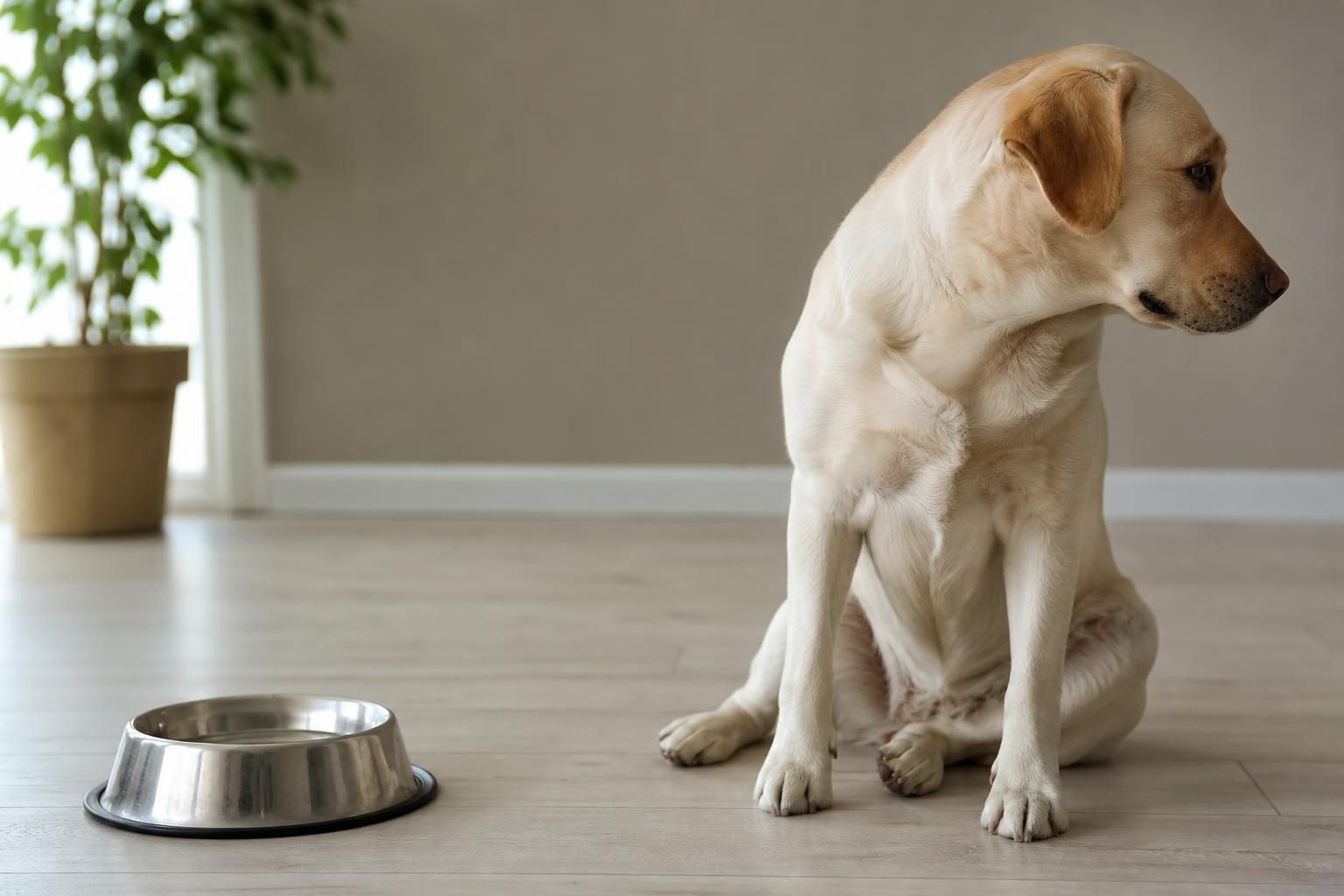
Dogs usually refuse water because of pain (dental, mouth, or abdominal), nausea, an unfamiliar bowl or water taste, extreme heat or cold, or an underlying illness such as kidney disease or a urinary infection. A sudden, complete refusal that lasts more than 12-24 hours — especially paired with vomiting, lethargy, or a swollen belly — warrants a same-day call to your vet rather than a wait-and-see approach.
Key takeaways
- A healthy dog typically needs about 1 ounce of water per pound of body weight daily; going a full day without any water is a reason to contact your vet, not just monitor.
- Bowl material, depth, and placement change drinking behavior more than owners expect — plastic bowls can hold odors that put dogs off.
- Combine a skin-tent test with checking gum moisture to screen for dehydration at home before you panic or dismiss the problem.
Common Reasons Dogs Stop Drinking Water
Water refusal is rarely random. Most cases trace back to one of a few patterns:
- Dental or mouth pain — a cracked tooth, gum infection, or mouth ulcer makes lapping water uncomfortable, especially cold water.
- Nausea — dogs who feel sick often avoid both food and water, sometimes drinking just enough to trigger vomiting.
- Bowl aversion — a bowl that's been reused without washing, made of odor-retaining plastic, or placed too close to a loud appliance can be enough to put a dog off.
- Temperature and season — in cold weather, dogs naturally drink less because they're burning fewer calories and losing less moisture through panting.
- Change in routine or environment — travel, a new home, or a new water source (different mineral content or chlorine level) can make dogs suspicious of water that tastes "off" to them.
If your dog has also stopped eating, it's worth reading about the common causes behind a dog refusing to eat, since appetite and thirst loss often share the same root problem.
When Water Refusal Signals a Medical Problem
Occasional pickiness about water is usually harmless, but persistent refusal can point to a medical issue that needs attention:
- Kidney disease can cause dogs to either drink excessively or, in advanced stages, lose interest in water altogether as they feel increasingly unwell.
- Urinary tract infections make urination painful, and some dogs instinctively reduce water intake to urinate less.
- Gastrointestinal distress, including bloat, can make dogs avoid water because swallowing or an already-distended stomach feels painful. If your dog's abdomen looks swollen or tight after eating, see this breakdown of why dogs bloat after eating for warning signs that need immediate veterinary care.
- Fever or infection reduces overall appetite for both food and water as the body prioritizes fighting illness over normal function.
According to the Merck Veterinary Manual, water intake and output changes are among the most reliable early indicators vets use to screen for systemic disease in dogs, which is why a sudden shift is worth documenting and reporting rather than ignoring.
How Bowl Type and Placement Affect Drinking Habits
Small environmental details matter more than most owners assume:
- Material: Plastic bowls can retain odors and bacteria in micro-scratches, while stainless steel and ceramic are easier to keep genuinely clean.
- Depth and width: Deep, narrow bowls cause "whisker fatigue" in some dogs, where repeated whisker contact against the sides discourages drinking.
- Number of bowls: Multi-pet households sometimes have one dog guarding the water bowl from another, so a second station in a different room can solve the problem instantly.
- Freshness: Water left out for 12+ hours can develop a film or taste that's noticeable to a dog's sense of smell, which is far more sensitive than a human's.
A slow feeder or elevated stainless bowl from the feeding collection can address both the material and depth issues at once. When Ziva Paws tested stainless and ceramic water bowls with its resident cats Ai and Dudu, both consistently chose the shallower, wider bowl over the deep one — a small preference that applies to many dogs too.
Dehydration Warning Signs to Watch For
Catching dehydration early makes treatment far simpler. Check for these signs:
- Skin tent test: Gently pinch the skin between your dog's shoulder blades. In a well-hydrated dog, it snaps back immediately; in a dehydrated dog, it stays tented for a second or more.
- Gum moisture: Healthy gums feel slick and wet. Dehydrated gums feel tacky or dry to the touch.
- Capillary refill time: Press a fingertip on the gum until it turns white, then release. Color should return within about 2 seconds; slower return suggests poor circulation from dehydration.
- Sunken eyes or lethargy: Both are later-stage signs that indicate the dehydration has progressed beyond mild.
The American Veterinary Medical Association notes that dehydration can impair kidney function and circulation relatively quickly in dogs, which is part of why prolonged water refusal shouldn't be managed by trial and error alone.
Simple Ways to Encourage Your Dog to Drink
Before assuming the worst, try a few low-risk adjustments:
- Switch to a clean, shallow stainless or ceramic bowl and wash it daily with soap, not just a rinse.
- Add a splash of low-sodium broth to water to make it more appealing (check with your vet first if your dog has kidney or heart issues).
- Offer water in a second location away from food, litter boxes, or loud appliances.
- Try room-temperature water instead of straight from the fridge, since some dogs dislike very cold water.
- Add wet food or water-soaked kibble temporarily to boost overall fluid intake while you investigate the cause.
If your dog's skin also looks flaky or irritated alongside reduced drinking, dehydration could be a contributing factor — this guide on dry skin causes and fixes covers other overlapping triggers worth ruling out.
When to Call the Vet
Contact your veterinarian promptly if your dog:
- Refuses all water for more than 24 hours
- Shows vomiting, diarrhea, or visible abdominal swelling alongside reduced drinking
- Has tacky gums, sunken eyes, or skin that stays tented
- Is a puppy, senior, or has an existing condition like kidney or heart disease, since these groups dehydrate faster
Veterinary resources from institutions like Cornell University's College of Veterinary Medicine emphasize that rapid dehydration is especially dangerous in puppies and senior dogs because their bodies have less fluid reserve to draw on, so faster intervention matters more in these groups.
Frequently Asked Questions
Q: How long can a dog safely go without drinking water?
Most healthy adult dogs should not go more than 24 hours without any water intake. Beyond that window, the risk of dehydration and organ stress rises quickly, so a vet visit is appropriate rather than continued waiting.
Q: Can stress cause a dog to stop drinking water?
Yes. Travel, a new home, loud noises, or changes in routine can temporarily reduce a dog's water intake, and drinking usually returns to normal once the dog settles back into a familiar environment within a day or two.
Q: Is it normal for dogs to drink less water in winter?
Some reduction is normal since dogs pant less and burn fewer calories in cold weather, but a near-total refusal to drink is not explained by season alone and should still be checked.
Q: Does switching dog food affect water intake?
Yes. Dogs eating wet or fresh food get more moisture from their meals and may drink noticeably less water than dogs eating only dry kibble, which is a normal adjustment rather than a red flag.
Q: What's the fastest way to check if my dog is dehydrated at home?
The skin tent test and checking gum moisture are the two quickest home checks: tented skin that doesn't snap back immediately and tacky, dry gums both suggest dehydration that needs veterinary attention.